
Get trending papers in your email inbox once a day!
Get trending papers in your email inbox!
Subscribe

Aspect-based Meeting Transcript Summarization: A Two-Stage Approach with Weak Supervision on Sentence Classification
Aspect-based meeting transcript summarization aims to produce multiple summaries, each focusing on one aspect of content in a meeting transcript. It is challenging as sentences related to different aspects can mingle together, and those relevant to a specific aspect can be scattered throughout the long transcript of a meeting. The traditional summarization methods produce one summary mixing information of all aspects, which cannot deal with the above challenges of aspect-based meeting transcript summarization. In this paper, we propose a two-stage method for aspect-based meeting transcript summarization. To select the input content related to specific aspects, we train a sentence classifier on a dataset constructed from the AMI corpus with pseudo-labeling. Then we merge the sentences selected for a specific aspect as the input for the summarizer to produce the aspect-based summary. Experimental results on the AMI corpus outperform many strong baselines, which verifies the effectiveness of our proposed method.


HyperFormer: Enhancing Entity and Relation Interaction for Hyper-Relational Knowledge Graph Completion
Hyper-relational knowledge graphs (HKGs) extend standard knowledge graphs by associating attribute-value qualifiers to triples, which effectively represent additional fine-grained information about its associated triple. Hyper-relational knowledge graph completion (HKGC) aims at inferring unknown triples while considering its qualifiers. Most existing approaches to HKGC exploit a global-level graph structure to encode hyper-relational knowledge into the graph convolution message passing process. However, the addition of multi-hop information might bring noise into the triple prediction process. To address this problem, we propose HyperFormer, a model that considers local-level sequential information, which encodes the content of the entities, relations and qualifiers of a triple. More precisely, HyperFormer is composed of three different modules: an entity neighbor aggregator module allowing to integrate the information of the neighbors of an entity to capture different perspectives of it; a relation qualifier aggregator module to integrate hyper-relational knowledge into the corresponding relation to refine the representation of relational content; a convolution-based bidirectional interaction module based on a convolutional operation, capturing pairwise bidirectional interactions of entity-relation, entity-qualifier, and relation-qualifier. realize the depth perception of the content related to the current statement. Furthermore, we introduce a Mixture-of-Experts strategy into the feed-forward layers of HyperFormer to strengthen its representation capabilities while reducing the amount of model parameters and computation. Extensive experiments on three well-known datasets with four different conditions demonstrate HyperFormer's effectiveness. Datasets and code are available at https://github.com/zhiweihu1103/HKGC-HyperFormer.
Unsupervised Manga Character Re-identification via Face-body and Spatial-temporal Associated Clustering
In the past few years, there has been a dramatic growth in e-manga (electronic Japanese-style comics). Faced with the booming demand for manga research and the large amount of unlabeled manga data, we raised a new task, called unsupervised manga character re-identification. However, the artistic expression and stylistic limitations of manga pose many challenges to the re-identification problem. Inspired by the idea that some content-related features may help clustering, we propose a Face-body and Spatial-temporal Associated Clustering method (FSAC). In the face-body combination module, a face-body graph is constructed to solve problems such as exaggeration and deformation in artistic creation by using the integrity of the image. In the spatial-temporal relationship correction module, we analyze the appearance features of characters and design a temporal-spatial-related triplet loss to fine-tune the clustering. Extensive experiments on a manga book dataset with 109 volumes validate the superiority of our method in unsupervised manga character re-identification.
TIP: Text-Driven Image Processing with Semantic and Restoration Instructions
Text-driven diffusion models have become increasingly popular for various image editing tasks, including inpainting, stylization, and object replacement. However, it still remains an open research problem to adopt this language-vision paradigm for more fine-level image processing tasks, such as denoising, super-resolution, deblurring, and compression artifact removal. In this paper, we develop TIP, a Text-driven Image Processing framework that leverages natural language as a user-friendly interface to control the image restoration process. We consider the capacity of text information in two dimensions. First, we use content-related prompts to enhance the semantic alignment, effectively alleviating identity ambiguity in the restoration outcomes. Second, our approach is the first framework that supports fine-level instruction through language-based quantitative specification of the restoration strength, without the need for explicit task-specific design. In addition, we introduce a novel fusion mechanism that augments the existing ControlNet architecture by learning to rescale the generative prior, thereby achieving better restoration fidelity. Our extensive experiments demonstrate the superior restoration performance of TIP compared to the state of the arts, alongside offering the flexibility of text-based control over the restoration effects.


ContentVec: An Improved Self-Supervised Speech Representation by Disentangling Speakers
Self-supervised learning in speech involves training a speech representation network on a large-scale unannotated speech corpus, and then applying the learned representations to downstream tasks. Since the majority of the downstream tasks of SSL learning in speech largely focus on the content information in speech, the most desirable speech representations should be able to disentangle unwanted variations, such as speaker variations, from the content. However, disentangling speakers is very challenging, because removing the speaker information could easily result in a loss of content as well, and the damage of the latter usually far outweighs the benefit of the former. In this paper, we propose a new SSL method that can achieve speaker disentanglement without severe loss of content. Our approach is adapted from the HuBERT framework, and incorporates disentangling mechanisms to regularize both the teacher labels and the learned representations. We evaluate the benefit of speaker disentanglement on a set of content-related downstream tasks, and observe a consistent and notable performance advantage of our speaker-disentangled representations.
StyleMaster: Stylize Your Video with Artistic Generation and Translation
Style control has been popular in video generation models. Existing methods often generate videos far from the given style, cause content leakage, and struggle to transfer one video to the desired style. Our first observation is that the style extraction stage matters, whereas existing methods emphasize global style but ignore local textures. In order to bring texture features while preventing content leakage, we filter content-related patches while retaining style ones based on prompt-patch similarity; for global style extraction, we generate a paired style dataset through model illusion to facilitate contrastive learning, which greatly enhances the absolute style consistency. Moreover, to fill in the image-to-video gap, we train a lightweight motion adapter on still videos, which implicitly enhances stylization extent, and enables our image-trained model to be seamlessly applied to videos. Benefited from these efforts, our approach, StyleMaster, not only achieves significant improvement in both style resemblance and temporal coherence, but also can easily generalize to video style transfer with a gray tile ControlNet. Extensive experiments and visualizations demonstrate that StyleMaster significantly outperforms competitors, effectively generating high-quality stylized videos that align with textual content and closely resemble the style of reference images. Our project page is at https://zixuan-ye.github.io/stylemaster


Non-instructional Fine-tuning: Enabling Instruction-Following Capabilities in Pre-trained Language Models without Instruction-Following Data
Instruction fine-tuning is crucial for today's large language models (LLMs) to learn to follow instructions and align with human preferences. Conventionally, supervised data, including the instruction and the correct response, is required for instruction fine-tuning. To obtain such data, some researchers prompted well-trained models like GPT-4 to generate instructions and correct responses. In this paper, we propose a novel approach that uses the first half of a random text from OpenWebText as the instruction and GPT-3.5-turbo or GPT-4-turbo to complete the text as the response. Despite the data being "non-instructional", we found that pre-trained LLMs fine-tuned on this data can gain instruction-following capabilities. This observation is verified by fine-tuning several well-known pre-trained LLMs (e.g., LLaMA-2-7B, LLaMA-3-8B, LLaMA-3-70B, Mistral-7B-v0.1). The "non-instructional data" also improved some models that underwent supervised fine-tuning and human preference alignment. Our LLaMA-3-70B-Instruct fine-tuned through "non-instructional data" is comparable with LLaMA-3.1-70B-Instruct on the Arena Hard leaderboard. We analyzed the "non-instructional data" and ensured it is devoid of content related to instruction fine-tuning. Our findings will inspire further investigation into how to develop instruction-following capabilities without explicit instruction-related data.
Leveraging Natural Language Processing For Public Health Screening On YouTube: A COVID-19 Case Study
Background: Social media platforms have become a viable source of medical information, with patients and healthcare professionals using them to share health-related information and track diseases. Similarly, YouTube, the largest video-sharing platform in the world contains vlogs where individuals talk about their illnesses. The aim of our study was to investigate the use of Natural Language Processing (NLP) to identify the spoken content of YouTube vlogs related to the diagnosis of Coronavirus disease of 2019 (COVID-19) for public health screening. Methods: COVID-19 videos on YouTube were searched using relevant keywords. A total of 1000 videos being spoken in English were downloaded out of which 791 were classified as vlogs, 192 were non-vlogs, and 17 were deleted by the channel. The videos were converted into a textual format using Microsoft Streams. The textual data was preprocessed using basic and advanced preprocessing methods. A lexicon of 200 words was created which contained words related to COVID-19. The data was analyzed using topic modeling, word clouds, and lexicon matching. Results: The word cloud results revealed discussions about COVID-19 symptoms like "fever", along with generic terms such as "mask" and "isolation". Lexical analysis demonstrated that in 96.46% of videos, patients discussed generic terms, and in 95.45% of videos, people talked about COVID-19 symptoms. LDA Topic Modeling results also generated topics that successfully captured key themes and content related to our investigation of COVID-19 diagnoses in YouTube vlogs. Conclusion: By leveraging NLP techniques on YouTube vlogs public health practitioners can enhance their ability to mitigate the effects of pandemics and effectively respond to public health challenges.
Cross-Scale Context Extracted Hashing for Fine-Grained Image Binary Encoding
Deep hashing has been widely applied to large-scale image retrieval tasks owing to efficient computation and low storage cost by encoding high-dimensional image data into binary codes. Since binary codes do not contain as much information as float features, the essence of binary encoding is preserving the main context to guarantee retrieval quality. However, the existing hashing methods have great limitations on suppressing redundant background information and accurately encoding from Euclidean space to Hamming space by a simple sign function. In order to solve these problems, a Cross-Scale Context Extracted Hashing Network (CSCE-Net) is proposed in this paper. Firstly, we design a two-branch framework to capture fine-grained local information while maintaining high-level global semantic information. Besides, Attention guided Information Extraction module (AIE) is introduced between two branches, which suppresses areas of low context information cooperated with global sliding windows. Unlike previous methods, our CSCE-Net learns a content-related Dynamic Sign Function (DSF) to replace the original simple sign function. Therefore, the proposed CSCE-Net is context-sensitive and able to perform well on accurate image binary encoding. We further demonstrate that our CSCE-Net is superior to the existing hashing methods, which improves retrieval performance on standard benchmarks.

Assessing In-context Learning and Fine-tuning for Topic Classification of German Web Data
Researchers in the political and social sciences often rely on classification models to analyze trends in information consumption by examining browsing histories of millions of webpages. Automated scalable methods are necessary due to the impracticality of manual labeling. In this paper, we model the detection of topic-related content as a binary classification task and compare the accuracy of fine-tuned pre-trained encoder models against in-context learning strategies. Using only a few hundred annotated data points per topic, we detect content related to three German policies in a database of scraped webpages. We compare multilingual and monolingual models, as well as zero and few-shot approaches, and investigate the impact of negative sampling strategies and the combination of URL & content-based features. Our results show that a small sample of annotated data is sufficient to train an effective classifier. Fine-tuning encoder-based models yields better results than in-context learning. Classifiers using both URL & content-based features perform best, while using URLs alone provides adequate results when content is unavailable.
Exploring Prediction Targets in Masked Pre-Training for Speech Foundation Models
Speech foundation models, such as HuBERT and its variants, are pre-trained on large amounts of unlabeled speech data and then used for a range of downstream tasks. These models use a masked prediction objective, where the model learns to predict information about masked input segments from the unmasked context. The choice of prediction targets in this framework impacts their performance on downstream tasks. For instance, models pre-trained with targets that capture prosody learn representations suited for speaker-related tasks, while those pre-trained with targets that capture phonetics learn representations suited for content-related tasks. Moreover, prediction targets can differ in the level of detail they capture. Models pre-trained with targets that encode fine-grained acoustic features perform better on tasks like denoising, while those pre-trained with targets focused on higher-level abstractions are more effective for content-related tasks. Despite the importance of prediction targets, the design choices that affect them have not been thoroughly studied. This work explores the design choices and their impact on downstream task performance. Our results indicate that the commonly used design choices for HuBERT can be suboptimal. We propose approaches to create more informative prediction targets and demonstrate their effectiveness through improvements across various downstream tasks.

Understanding LLMs: A Comprehensive Overview from Training to Inference
The introduction of ChatGPT has led to a significant increase in the utilization of Large Language Models (LLMs) for addressing downstream tasks. There's an increasing focus on cost-efficient training and deployment within this context. Low-cost training and deployment of LLMs represent the future development trend. This paper reviews the evolution of large language model training techniques and inference deployment technologies aligned with this emerging trend. The discussion on training includes various aspects, including data preprocessing, training architecture, pre-training tasks, parallel training, and relevant content related to model fine-tuning. On the inference side, the paper covers topics such as model compression, parallel computation, memory scheduling, and structural optimization. It also explores LLMs' utilization and provides insights into their future development.
Learning User Preferences for Image Generation Model
User preference prediction requires a comprehensive and accurate understanding of individual tastes. This includes both surface-level attributes, such as color and style, and deeper content-related aspects, such as themes and composition. However, existing methods typically rely on general human preferences or assume static user profiles, often neglecting individual variability and the dynamic, multifaceted nature of personal taste. To address these limitations, we propose an approach built upon Multimodal Large Language Models, introducing contrastive preference loss and preference tokens to learn personalized user preferences from historical interactions. The contrastive preference loss is designed to effectively distinguish between user ''likes'' and ''dislikes'', while the learnable preference tokens capture shared interest representations among existing users, enabling the model to activate group-specific preferences and enhance consistency across similar users. Extensive experiments demonstrate our model outperforms other methods in preference prediction accuracy, effectively identifying users with similar aesthetic inclinations and providing more precise guidance for generating images that align with individual tastes. The project page is https://learn-user-pref.github.io/.

HAICOSYSTEM: An Ecosystem for Sandboxing Safety Risks in Human-AI Interactions
AI agents are increasingly autonomous in their interactions with human users and tools, leading to increased interactional safety risks. We present HAICOSYSTEM, a framework examining AI agent safety within diverse and complex social interactions. HAICOSYSTEM features a modular sandbox environment that simulates multi-turn interactions between human users and AI agents, where the AI agents are equipped with a variety of tools (e.g., patient management platforms) to navigate diverse scenarios (e.g., a user attempting to access other patients' profiles). To examine the safety of AI agents in these interactions, we develop a comprehensive multi-dimensional evaluation framework that uses metrics covering operational, content-related, societal, and legal risks. Through running 1840 simulations based on 92 scenarios across seven domains (e.g., healthcare, finance, education), we demonstrate that HAICOSYSTEM can emulate realistic user-AI interactions and complex tool use by AI agents. Our experiments show that state-of-the-art LLMs, both proprietary and open-sourced, exhibit safety risks in over 50\% cases, with models generally showing higher risks when interacting with simulated malicious users. Our findings highlight the ongoing challenge of building agents that can safely navigate complex interactions, particularly when faced with malicious users. To foster the AI agent safety ecosystem, we release a code platform that allows practitioners to create custom scenarios, simulate interactions, and evaluate the safety and performance of their agents.


MTVG : Multi-text Video Generation with Text-to-Video Models
Recently, video generation has attracted massive attention and yielded noticeable outcomes. Concerning the characteristics of video, multi-text conditioning incorporating sequential events is necessary for next-step video generation. In this work, we propose a novel multi-text video generation~(MTVG) by directly utilizing a pre-trained diffusion-based text-to-video~(T2V) generation model without additional fine-tuning. To generate consecutive video segments, visual consistency generated by distinct prompts is necessary with diverse variations, such as motion and content-related transitions. Our proposed MTVG includes Dynamic Noise and Last Frame Aware Inversion which reinitialize the noise latent to preserve visual coherence between videos of different prompts and prevent repetitive motion or contents. Furthermore, we present Structure Guiding Sampling to maintain the global appearance across the frames in a single video clip, where we leverage iterative latent updates across the preceding frame. Additionally, our Prompt Generator allows for arbitrary format of text conditions consisting of diverse events. As a result, our extensive experiments, including diverse transitions of descriptions, demonstrate that our proposed methods show superior generated outputs in terms of semantically coherent and temporally seamless video.Video examples are available in our project page: https://kuai-lab.github.io/mtvg-page.
LM-SPT: LM-Aligned Semantic Distillation for Speech Tokenization
With the rapid progress of speech language models (SLMs), discrete speech tokens have emerged as a core interface between speech and text, enabling unified modeling across modalities. Recent speech tokenization approaches aim to isolate semantic information from low-level acoustics to better align with language models. In particular, previous methods use SSL teachers such as HuBERT to extract semantic representations, which are then distilled into a semantic quantizer to suppress acoustic redundancy as well as capture content-related latent structures. However, they still produce speech token sequences significantly longer than their textual counterparts, creating challenges for efficient speech-language modeling. Reducing the frame rate is a natural solution, but standard techniques, such as rigid average pooling across frames, can distort or dilute the semantic structure required for effective LM alignment. To address this, we propose LM-SPT, a speech tokenization method that introduces a novel semantic distillation. Instead of directly matching teacher and student features via pooling, we reconstruct speech solely from semantic tokens and minimize the discrepancy between the encoded representations of the original and reconstructed waveforms, obtained from a frozen automatic speech recognition (ASR) encoder. This indirect yet data-driven supervision enables the tokenizer to learn discrete units that are more semantically aligned with language models. LM-SPT further incorporates architectural improvements to the encoder and decoder for speech tokenization, and supports multiple frame rates, including 25Hz, 12.5Hz, and 6.25Hz. Experimental results show that LM-SPT achieves superior reconstruction fidelity compared to baselines, and that SLMs trained with LM-SPT tokens achieve competitive performances on speech-to-text and consistently outperform baselines on text-to-speech tasks.
Outsourcing an Information Operation: A Complete Dataset of Tenet Media's Podcasts on Rumble
Tenet Media, a U.S.-based, right-wing media company, hired six established podcasters to create content related to U.S. politics and culture during the 2024 U.S. presidential election cycle. After publishing content on YouTube and Rumble for nearly a year, Tenet Media was declared by the U.S. government to be funded entirely by Russia -- making it effectively an outsourced state-sponsored information operation (SSIO). We present a complete dataset of the 560 podcast videos published by the Tenet Media channel on the video-sharing platform Rumble between November 2023 and September 2024. Our dataset includes video metadata and user comments, as well as high-quality video transcriptions, representing over 300 hours of video content. This dataset provides researchers with material to study a Russian SSIO, and notably on Rumble, which is an understudied platform in SSIO scholarship.

Two at Once: Enhancing Learning and Generalization Capacities via IBN-Net
Convolutional neural networks (CNNs) have achieved great successes in many computer vision problems. Unlike existing works that designed CNN architectures to improve performance on a single task of a single domain and not generalizable, we present IBN-Net, a novel convolutional architecture, which remarkably enhances a CNN's modeling ability on one domain (e.g. Cityscapes) as well as its generalization capacity on another domain (e.g. GTA5) without finetuning. IBN-Net carefully integrates Instance Normalization (IN) and Batch Normalization (BN) as building blocks, and can be wrapped into many advanced deep networks to improve their performances. This work has three key contributions. (1) By delving into IN and BN, we disclose that IN learns features that are invariant to appearance changes, such as colors, styles, and virtuality/reality, while BN is essential for preserving content related information. (2) IBN-Net can be applied to many advanced deep architectures, such as DenseNet, ResNet, ResNeXt, and SENet, and consistently improve their performance without increasing computational cost. (3) When applying the trained networks to new domains, e.g. from GTA5 to Cityscapes, IBN-Net achieves comparable improvements as domain adaptation methods, even without using data from the target domain. With IBN-Net, we won the 1st place on the WAD 2018 Challenge Drivable Area track, with an mIoU of 86.18%.
Evaluating AIGC Detectors on Code Content
Artificial Intelligence Generated Content (AIGC) has garnered considerable attention for its impressive performance, with ChatGPT emerging as a leading AIGC model that produces high-quality responses across various applications, including software development and maintenance. Despite its potential, the misuse of ChatGPT poses significant concerns, especially in education and safetycritical domains. Numerous AIGC detectors have been developed and evaluated on natural language data. However, their performance on code-related content generated by ChatGPT remains unexplored. To fill this gap, in this paper, we present the first empirical study on evaluating existing AIGC detectors in the software domain. We created a comprehensive dataset including 492.5K samples comprising code-related content produced by ChatGPT, encompassing popular software activities like Q&A (115K), code summarization (126K), and code generation (226.5K). We evaluated six AIGC detectors, including three commercial and three open-source solutions, assessing their performance on this dataset. Additionally, we conducted a human study to understand human detection capabilities and compare them with the existing AIGC detectors. Our results indicate that AIGC detectors demonstrate lower performance on code-related data compared to natural language data. Fine-tuning can enhance detector performance, especially for content within the same domain; but generalization remains a challenge. The human evaluation reveals that detection by humans is quite challenging.
Sensitive Content Classification in Social Media: A Holistic Resource and Evaluation
The detection of sensitive content in large datasets is crucial for ensuring that shared and analysed data is free from harmful material. However, current moderation tools, such as external APIs, suffer from limitations in customisation, accuracy across diverse sensitive categories, and privacy concerns. Additionally, existing datasets and open-source models focus predominantly on toxic language, leaving gaps in detecting other sensitive categories such as substance abuse or self-harm. In this paper, we put forward a unified dataset tailored for social media content moderation across six sensitive categories: conflictual language, profanity, sexually explicit material, drug-related content, self-harm, and spam. By collecting and annotating data with consistent retrieval strategies and guidelines, we address the shortcomings of previous focalised research. Our analysis demonstrates that fine-tuning large language models (LLMs) on this novel dataset yields significant improvements in detection performance compared to open off-the-shelf models such as LLaMA, and even proprietary OpenAI models, which underperform by 10-15% overall. This limitation is even more pronounced on popular moderation APIs, which cannot be easily tailored to specific sensitive content categories, among others.
SafeGen: Mitigating Unsafe Content Generation in Text-to-Image Models
Text-to-image (T2I) models, such as Stable Diffusion, have exhibited remarkable performance in generating high-quality images from text descriptions in recent years. However, text-to-image models may be tricked into generating not-safe-for-work (NSFW) content, particularly in sexual scenarios. Existing countermeasures mostly focus on filtering inappropriate inputs and outputs, or suppressing improper text embeddings, which can block explicit NSFW-related content (e.g., naked or sexy) but may still be vulnerable to adversarial prompts inputs that appear innocent but are ill-intended. In this paper, we present SafeGen, a framework to mitigate unsafe content generation by text-to-image models in a text-agnostic manner. The key idea is to eliminate unsafe visual representations from the model regardless of the text input. In this way, the text-to-image model is resistant to adversarial prompts since unsafe visual representations are obstructed from within. Extensive experiments conducted on four datasets demonstrate SafeGen's effectiveness in mitigating unsafe content generation while preserving the high-fidelity of benign images. SafeGen outperforms eight state-of-the-art baseline methods and achieves 99.1% sexual content removal performance. Furthermore, our constructed benchmark of adversarial prompts provides a basis for future development and evaluation of anti-NSFW-generation methods.
OneRef: Unified One-tower Expression Grounding and Segmentation with Mask Referring Modeling
Constrained by the separate encoding of vision and language, existing grounding and referring segmentation works heavily rely on bulky Transformer-based fusion en-/decoders and a variety of early-stage interaction technologies. Simultaneously, the current mask visual language modeling (MVLM) fails to capture the nuanced referential relationship between image-text in referring tasks. In this paper, we propose OneRef, a minimalist referring framework built on the modality-shared one-tower transformer that unifies the visual and linguistic feature spaces. To modeling the referential relationship, we introduce a novel MVLM paradigm called Mask Referring Modeling (MRefM), which encompasses both referring-aware mask image modeling and referring-aware mask language modeling. Both modules not only reconstruct modality-related content but also cross-modal referring content. Within MRefM, we propose a referring-aware dynamic image masking strategy that is aware of the referred region rather than relying on fixed ratios or generic random masking schemes. By leveraging the unified visual language feature space and incorporating MRefM's ability to model the referential relations, our approach enables direct regression of the referring results without resorting to various complex techniques. Our method consistently surpasses existing approaches and achieves SoTA performance on both grounding and segmentation tasks, providing valuable insights for future research. Our code and models are available at https://github.com/linhuixiao/OneRef.

Art-Free Generative Models: Art Creation Without Graphic Art Knowledge
We explore the question: "How much prior art knowledge is needed to create art?" To investigate this, we propose a text-to-image generation model trained without access to art-related content. We then introduce a simple yet effective method to learn an art adapter using only a few examples of selected artistic styles. Our experiments show that art generated using our method is perceived by users as comparable to art produced by models trained on large, art-rich datasets. Finally, through data attribution techniques, we illustrate how examples from both artistic and non-artistic datasets contributed to the creation of new artistic styles.


DeTiME: Diffusion-Enhanced Topic Modeling using Encoder-decoder based LLM
In the burgeoning field of natural language processing, Neural Topic Models (NTMs) and Large Language Models (LLMs) have emerged as areas of significant research interest. Despite this, NTMs primarily utilize contextual embeddings from LLMs, which are not optimal for clustering or capable for topic generation. Our study addresses this gap by introducing a novel framework named Diffusion-Enhanced Topic Modeling using Encoder-Decoder-based LLMs (DeTiME). DeTiME leverages ncoder-Decoder-based LLMs to produce highly clusterable embeddings that could generate topics that exhibit both superior clusterability and enhanced semantic coherence compared to existing methods. Additionally, by exploiting the power of diffusion, our framework also provides the capability to generate content relevant to the identified topics. This dual functionality allows users to efficiently produce highly clustered topics and related content simultaneously. DeTiME's potential extends to generating clustered embeddings as well. Notably, our proposed framework proves to be efficient to train and exhibits high adaptability, demonstrating its potential for a wide array of applications.

SecQA: A Concise Question-Answering Dataset for Evaluating Large Language Models in Computer Security
In this paper, we introduce SecQA, a novel dataset tailored for evaluating the performance of Large Language Models (LLMs) in the domain of computer security. Utilizing multiple-choice questions generated by GPT-4 based on the "Computer Systems Security: Planning for Success" textbook, SecQA aims to assess LLMs' understanding and application of security principles. We detail the structure and intent of SecQA, which includes two versions of increasing complexity, to provide a concise evaluation across various difficulty levels. Additionally, we present an extensive evaluation of prominent LLMs, including GPT-3.5-Turbo, GPT-4, Llama-2, Vicuna, Mistral, and Zephyr models, using both 0-shot and 5-shot learning settings. Our results, encapsulated in the SecQA v1 and v2 datasets, highlight the varying capabilities and limitations of these models in the computer security context. This study not only offers insights into the current state of LLMs in understanding security-related content but also establishes SecQA as a benchmark for future advancements in this critical research area.

Prompt Distribution Learning
We present prompt distribution learning for effectively adapting a pre-trained vision-language model to address downstream recognition tasks. Our method not only learns low-bias prompts from a few samples but also captures the distribution of diverse prompts to handle the varying visual representations. In this way, we provide high-quality task-related content for facilitating recognition. This prompt distribution learning is realized by an efficient approach that learns the output embeddings of prompts instead of the input embeddings. Thus, we can employ a Gaussian distribution to model them effectively and derive a surrogate loss for efficient training. Extensive experiments on 12 datasets demonstrate that our method consistently and significantly outperforms existing methods. For example, with 1 sample per category, it relatively improves the average result by 9.1% compared to human-crafted prompts.

Benchmarking the Myopic Trap: Positional Bias in Information Retrieval
This study investigates a specific form of positional bias, termed the Myopic Trap, where retrieval models disproportionately attend to the early parts of documents while overlooking relevant information that appears later. To systematically quantify this phenomenon, we propose a semantics-preserving evaluation framework that repurposes the existing NLP datasets into position-aware retrieval benchmarks. By evaluating the SOTA models of full retrieval pipeline, including BM25, embedding models, ColBERT-style late-interaction models, and reranker models, we offer a broader empirical perspective on positional bias than prior work. Experimental results show that embedding models and ColBERT-style models exhibit significant performance degradation when query-related content is shifted toward later positions, indicating a pronounced head bias. Notably, under the same training configuration, ColBERT-style approach show greater potential for mitigating positional bias compared to the traditional single-vector approach. In contrast, BM25 and reranker models remain largely unaffected by such perturbations, underscoring their robustness to positional bias. Code and data are publicly available at: www.github.com/NovaSearch-Team/RAG-Retrieval.
Theme-driven Keyphrase Extraction to Analyze Social Media Discourse
Social media platforms are vital resources for sharing self-reported health experiences, offering rich data on various health topics. Despite advancements in Natural Language Processing (NLP) enabling large-scale social media data analysis, a gap remains in applying keyphrase extraction to health-related content. Keyphrase extraction is used to identify salient concepts in social media discourse without being constrained by predefined entity classes. This paper introduces a theme-driven keyphrase extraction framework tailored for social media, a pioneering approach designed to capture clinically relevant keyphrases from user-generated health texts. Themes are defined as broad categories determined by the objectives of the extraction task. We formulate this novel task of theme-driven keyphrase extraction and demonstrate its potential for efficiently mining social media text for the use case of treatment for opioid use disorder. This paper leverages qualitative and quantitative analysis to demonstrate the feasibility of extracting actionable insights from social media data and efficiently extracting keyphrases using minimally supervised NLP models. Our contributions include the development of a novel data collection and curation framework for theme-driven keyphrase extraction and the creation of MOUD-Keyphrase, the first dataset of its kind comprising human-annotated keyphrases from a Reddit community. We also identify the scope of minimally supervised NLP models to extract keyphrases from social media data efficiently. Lastly, we found that a large language model (ChatGPT) outperforms unsupervised keyphrase extraction models, and we evaluate its efficacy in this task.
FinAI-BERT: A Transformer-Based Model for Sentence-Level Detection of AI Disclosures in Financial Reports
The proliferation of artificial intelligence (AI) in financial services has prompted growing demand for tools that can systematically detect AI-related disclosures in corporate filings. While prior approaches often rely on keyword expansion or document-level classification, they fall short in granularity, interpretability, and robustness. This study introduces FinAI-BERT, a domain-adapted transformer-based language model designed to classify AI-related content at the sentence level within financial texts. The model was fine-tuned on a manually curated and balanced dataset of 1,586 sentences drawn from 669 annual reports of U.S. banks (2015 to 2023). FinAI-BERT achieved near-perfect classification performance (accuracy of 99.37 percent, F1 score of 0.993), outperforming traditional baselines such as Logistic Regression, Naive Bayes, Random Forest, and XGBoost. Interpretability was ensured through SHAP-based token attribution, while bias analysis and robustness checks confirmed the model's stability across sentence lengths, adversarial inputs, and temporal samples. Theoretically, the study advances financial NLP by operationalizing fine-grained, theme-specific classification using transformer architectures. Practically, it offers a scalable, transparent solution for analysts, regulators, and scholars seeking to monitor the diffusion and framing of AI across financial institutions.

Unfolding the Headline: Iterative Self-Questioning for News Retrieval and Timeline Summarization
In the fast-changing realm of information, the capacity to construct coherent timelines from extensive event-related content has become increasingly significant and challenging. The complexity arises in aggregating related documents to build a meaningful event graph around a central topic. This paper proposes CHRONOS - Causal Headline Retrieval for Open-domain News Timeline SummarizatiOn via Iterative Self-Questioning, which offers a fresh perspective on the integration of Large Language Models (LLMs) to tackle the task of Timeline Summarization (TLS). By iteratively reflecting on how events are linked and posing new questions regarding a specific news topic to gather information online or from an offline knowledge base, LLMs produce and refresh chronological summaries based on documents retrieved in each round. Furthermore, we curate Open-TLS, a novel dataset of timelines on recent news topics authored by professional journalists to evaluate open-domain TLS where information overload makes it impossible to find comprehensive relevant documents from the web. Our experiments indicate that CHRONOS is not only adept at open-domain timeline summarization, but it also rivals the performance of existing state-of-the-art systems designed for closed-domain applications, where a related news corpus is provided for summarization.

IDAdapter: Learning Mixed Features for Tuning-Free Personalization of Text-to-Image Models
Leveraging Stable Diffusion for the generation of personalized portraits has emerged as a powerful and noteworthy tool, enabling users to create high-fidelity, custom character avatars based on their specific prompts. However, existing personalization methods face challenges, including test-time fine-tuning, the requirement of multiple input images, low preservation of identity, and limited diversity in generated outcomes. To overcome these challenges, we introduce IDAdapter, a tuning-free approach that enhances the diversity and identity preservation in personalized image generation from a single face image. IDAdapter integrates a personalized concept into the generation process through a combination of textual and visual injections and a face identity loss. During the training phase, we incorporate mixed features from multiple reference images of a specific identity to enrich identity-related content details, guiding the model to generate images with more diverse styles, expressions, and angles compared to previous works. Extensive evaluations demonstrate the effectiveness of our method, achieving both diversity and identity fidelity in generated images.


PerHalluEval: Persian Hallucination Evaluation Benchmark for Large Language Models
Hallucination is a persistent issue affecting all large language Models (LLMs), particularly within low-resource languages such as Persian. PerHalluEval (Persian Hallucination Evaluation) is the first dynamic hallucination evaluation benchmark tailored for the Persian language. Our benchmark leverages a three-stage LLM-driven pipeline, augmented with human validation, to generate plausible answers and summaries regarding QA and summarization tasks, focusing on detecting extrinsic and intrinsic hallucinations. Moreover, we used the log probabilities of generated tokens to select the most believable hallucinated instances. In addition, we engaged human annotators to highlight Persian-specific contexts in the QA dataset in order to evaluate LLMs' performance on content specifically related to Persian culture. Our evaluation of 12 LLMs, including open- and closed-source models using PerHalluEval, revealed that the models generally struggle in detecting hallucinated Persian text. We showed that providing external knowledge, i.e., the original document for the summarization task, could mitigate hallucination partially. Furthermore, there was no significant difference in terms of hallucination when comparing LLMs specifically trained for Persian with others.
Who's Harry Potter? Approximate Unlearning in LLMs
Large language models (LLMs) are trained on massive internet corpora that often contain copyrighted content. This poses legal and ethical challenges for the developers and users of these models, as well as the original authors and publishers. In this paper, we propose a novel technique for unlearning a subset of the training data from a LLM, without having to retrain it from scratch. We evaluate our technique on the task of unlearning the Harry Potter books from the Llama2-7b model (a generative language model recently open-sourced by Meta). While the model took over 184K GPU-hours to pretrain, we show that in about 1 GPU hour of finetuning, we effectively erase the model's ability to generate or recall Harry Potter-related content, while its performance on common benchmarks (such as Winogrande, Hellaswag, arc, boolq and piqa) remains almost unaffected. We make our fine-tuned model publicly available on HuggingFace for community evaluation. To the best of our knowledge, this is the first paper to present an effective technique for unlearning in generative language models. Our technique consists of three main components: First, we use a reinforced model that is further trained on the target data to identify the tokens that are most related to the unlearning target, by comparing its logits with those of a baseline model. Second, we replace idiosyncratic expressions in the target data with generic counterparts, and leverage the model's own predictions to generate alternative labels for every token. These labels aim to approximate the next-token predictions of a model that has not been trained on the target data. Third, we finetune the model on these alternative labels, which effectively erases the original text from the model's memory whenever it is prompted with its context.

AI vs. Human -- Differentiation Analysis of Scientific Content Generation
Recent neural language models have taken a significant step forward in producing remarkably controllable, fluent, and grammatical text. Although studies have found that AI-generated text is not distinguishable from human-written text for crowd-sourcing workers, there still exist errors in AI-generated text which are even subtler and harder to spot. We primarily focus on the scenario in which scientific AI writing assistant is deeply involved. First, we construct a feature description framework to distinguish between AI-generated text and human-written text from syntax, semantics, and pragmatics based on the human evaluation. Then we utilize the features, i.e., writing style, coherence, consistency, and argument logistics, from the proposed framework to analyze two types of content. Finally, we adopt several publicly available methods to investigate the gap of between AI-generated scientific text and human-written scientific text by AI-generated scientific text detection models. The results suggest that while AI has the potential to generate scientific content that is as accurate as human-written content, there is still a gap in terms of depth and overall quality. The AI-generated scientific content is more likely to contain errors in factual issues. We find that there exists a "writing style" gap between AI-generated scientific text and human-written scientific text. Based on the analysis result, we summarize a series of model-agnostic and distribution-agnostic features for detection tasks in other domains. Findings in this paper contribute to guiding the optimization of AI models to produce high-quality content and addressing related ethical and security concerns.
VD3D: Taming Large Video Diffusion Transformers for 3D Camera Control
Modern text-to-video synthesis models demonstrate coherent, photorealistic generation of complex videos from a text description. However, most existing models lack fine-grained control over camera movement, which is critical for downstream applications related to content creation, visual effects, and 3D vision. Recently, new methods demonstrate the ability to generate videos with controllable camera poses these techniques leverage pre-trained U-Net-based diffusion models that explicitly disentangle spatial and temporal generation. Still, no existing approach enables camera control for new, transformer-based video diffusion models that process spatial and temporal information jointly. Here, we propose to tame video transformers for 3D camera control using a ControlNet-like conditioning mechanism that incorporates spatiotemporal camera embeddings based on Plucker coordinates. The approach demonstrates state-of-the-art performance for controllable video generation after fine-tuning on the RealEstate10K dataset. To the best of our knowledge, our work is the first to enable camera control for transformer-based video diffusion models.
Jailbreaking ChatGPT via Prompt Engineering: An Empirical Study
Large Language Models (LLMs), like ChatGPT, have demonstrated vast potential but also introduce challenges related to content constraints and potential misuse. Our study investigates three key research questions: (1) the number of different prompt types that can jailbreak LLMs, (2) the effectiveness of jailbreak prompts in circumventing LLM constraints, and (3) the resilience of ChatGPT against these jailbreak prompts. Initially, we develop a classification model to analyze the distribution of existing prompts, identifying ten distinct patterns and three categories of jailbreak prompts. Subsequently, we assess the jailbreak capability of prompts with ChatGPT versions 3.5 and 4.0, utilizing a dataset of 3,120 jailbreak questions across eight prohibited scenarios. Finally, we evaluate the resistance of ChatGPT against jailbreak prompts, finding that the prompts can consistently evade the restrictions in 40 use-case scenarios. The study underscores the importance of prompt structures in jailbreaking LLMs and discusses the challenges of robust jailbreak prompt generation and prevention.

Unsupervised Audio-Visual Lecture Segmentation
Over the last decade, online lecture videos have become increasingly popular and have experienced a meteoric rise during the pandemic. However, video-language research has primarily focused on instructional videos or movies, and tools to help students navigate the growing online lectures are lacking. Our first contribution is to facilitate research in the educational domain, by introducing AVLectures, a large-scale dataset consisting of 86 courses with over 2,350 lectures covering various STEM subjects. Each course contains video lectures, transcripts, OCR outputs for lecture frames, and optionally lecture notes, slides, assignments, and related educational content that can inspire a variety of tasks. Our second contribution is introducing video lecture segmentation that splits lectures into bite-sized topics that show promise in improving learner engagement. We formulate lecture segmentation as an unsupervised task that leverages visual, textual, and OCR cues from the lecture, while clip representations are fine-tuned on a pretext self-supervised task of matching the narration with the temporally aligned visual content. We use these representations to generate segments using a temporally consistent 1-nearest neighbor algorithm, TW-FINCH. We evaluate our method on 15 courses and compare it against various visual and textual baselines, outperforming all of them. Our comprehensive ablation studies also identify the key factors driving the success of our approach.

MUGC: Machine Generated versus User Generated Content Detection
As advanced modern systems like deep neural networks (DNNs) and generative AI continue to enhance their capabilities in producing convincing and realistic content, the need to distinguish between user-generated and machine generated content is becoming increasingly evident. In this research, we undertake a comparative evaluation of eight traditional machine-learning algorithms to distinguish between machine-generated and human-generated data across three diverse datasets: Poems, Abstracts, and Essays. Our results indicate that traditional methods demonstrate a high level of accuracy in identifying machine-generated data, reflecting the documented effectiveness of popular pre-trained models like RoBERT. We note that machine-generated texts tend to be shorter and exhibit less word variety compared to human-generated content. While specific domain-related keywords commonly utilized by humans, albeit disregarded by current LLMs (Large Language Models), may contribute to this high detection accuracy, we show that deeper word representations like word2vec can capture subtle semantic variances. Furthermore, readability, bias, moral, and affect comparisons reveal a discernible contrast between machine-generated and human generated content. There are variations in expression styles and potentially underlying biases in the data sources (human and machine-generated). This study provides valuable insights into the advancing capacities and challenges associated with machine-generated content across various domains.


LLM-Assisted Content Analysis: Using Large Language Models to Support Deductive Coding
Deductive coding is a widely used qualitative research method for determining the prevalence of themes across documents. While useful, deductive coding is often burdensome and time consuming since it requires researchers to read, interpret, and reliably categorize a large body of unstructured text documents. Large language models (LLMs), like ChatGPT, are a class of quickly evolving AI tools that can perform a range of natural language processing and reasoning tasks. In this study, we explore the use of LLMs to reduce the time it takes for deductive coding while retaining the flexibility of a traditional content analysis. We outline the proposed approach, called LLM-assisted content analysis (LACA), along with an in-depth case study using GPT-3.5 for LACA on a publicly available deductive coding data set. Additionally, we conduct an empirical benchmark using LACA on 4 publicly available data sets to assess the broader question of how well GPT-3.5 performs across a range of deductive coding tasks. Overall, we find that GPT-3.5 can often perform deductive coding at levels of agreement comparable to human coders. Additionally, we demonstrate that LACA can help refine prompts for deductive coding, identify codes for which an LLM is randomly guessing, and help assess when to use LLMs vs. human coders for deductive coding. We conclude with several implications for future practice of deductive coding and related research methods.
Deep Architectures for Content Moderation and Movie Content Rating
Rating a video based on its content is an important step for classifying video age categories. Movie content rating and TV show rating are the two most common rating systems established by professional committees. However, manually reviewing and evaluating scene/film content by a committee is a tedious work and it becomes increasingly difficult with the ever-growing amount of online video content. As such, a desirable solution is to use computer vision based video content analysis techniques to automate the evaluation process. In this paper, related works are summarized for action recognition, multi-modal learning, movie genre classification, and sensitive content detection in the context of content moderation and movie content rating. The project page is available at https://github.com/fcakyon/content-moderation-deep-learning.

Content-Style Decoupling for Unsupervised Makeup Transfer without Generating Pseudo Ground Truth
The absence of real targets to guide the model training is one of the main problems with the makeup transfer task. Most existing methods tackle this problem by synthesizing pseudo ground truths (PGTs). However, the generated PGTs are often sub-optimal and their imprecision will eventually lead to performance degradation. To alleviate this issue, in this paper, we propose a novel Content-Style Decoupled Makeup Transfer (CSD-MT) method, which works in a purely unsupervised manner and thus eliminates the negative effects of generating PGTs. Specifically, based on the frequency characteristics analysis, we assume that the low-frequency (LF) component of a face image is more associated with its makeup style information, while the high-frequency (HF) component is more related to its content details. This assumption allows CSD-MT to decouple the content and makeup style information in each face image through the frequency decomposition. After that, CSD-MT realizes makeup transfer by maximizing the consistency of these two types of information between the transferred result and input images, respectively. Two newly designed loss functions are also introduced to further improve the transfer performance. Extensive quantitative and qualitative analyses show the effectiveness of our CSD-MT method. Our code is available at https://github.com/Snowfallingplum/CSD-MT.

MM-BigBench: Evaluating Multimodal Models on Multimodal Content Comprehension Tasks
The popularity of multimodal large language models (MLLMs) has triggered a recent surge in research efforts dedicated to evaluating these models. Nevertheless, existing evaluation studies of MLLMs primarily focus on the comprehension and reasoning of unimodal (vision) content, neglecting performance evaluations in the domain of multimodal (vision-language) content understanding. Beyond multimodal reasoning, tasks related to multimodal content comprehension necessitate a profound understanding of multimodal contexts, achieved through the multimodal interaction to obtain a final answer. In this paper, we introduce a comprehensive assessment framework called MM-BigBench, which incorporates a diverse range of metrics to offer an extensive evaluation of the performance of various models and instructions across a wide spectrum of diverse multimodal content comprehension tasks. Consequently, our work complements research on the performance of MLLMs in multimodal comprehension tasks, achieving a more comprehensive and holistic evaluation of MLLMs. To begin, we employ the Best Performance metric to ascertain each model's performance upper bound on different datasets. Subsequently, the Mean Relative Gain metric offers an assessment of the overall performance of various models and instructions, while the Stability metric measures their sensitivity. Furthermore, previous research centers on evaluating models independently or solely assessing instructions, neglecting the adaptability between models and instructions. We propose the Adaptability metric to quantify the adaptability between models and instructions. Our paper evaluates a total of 20 language models (14 MLLMs) on 14 multimodal datasets spanning 6 tasks, with 10 instructions for each task, and derives novel insights. Our code will be released at https://github.com/declare-lab/MM-BigBench.

Prioritizing Image-Related Tokens Enhances Vision-Language Pre-Training
In standard large vision-language models (LVLMs) pre-training, the model typically maximizes the joint probability of the caption conditioned on the image via next-token prediction (NTP); however, since only a small subset of caption tokens directly relates to the visual content, this naive NTP unintentionally fits the model to noise and increases the risk of hallucination. We present PRIOR, a simple vision-language pre-training approach that addresses this issue by prioritizing image-related tokens through differential weighting in the NTP loss, drawing from the importance sampling framework. PRIOR introduces a reference model-a text-only large language model (LLM) trained on the captions without image inputs, to weight each token based on its probability for LVLMs training. Intuitively, tokens that are directly related to the visual inputs are harder to predict without the image and thus receive lower probabilities from the text-only reference LLM. During training, we implement a token-specific re-weighting term based on the importance scores to adjust each token's loss. We implement PRIOR in two distinct settings: LVLMs with visual encoders and LVLMs without visual encoders. We observe 19% and 8% average relative improvement, respectively, on several vision-language benchmarks compared to NTP. In addition, PRIOR exhibits superior scaling properties, as demonstrated by significantly higher scaling coefficients, indicating greater potential for performance gains compared to NTP given increasing compute and data.

OARelatedWork: A Large-Scale Dataset of Related Work Sections with Full-texts from Open Access Sources
This paper introduces OARelatedWork, the first large-scale multi-document summarization dataset for related work generation containing whole related work sections and full-texts of cited papers. The dataset includes 94 450 papers and 5 824 689 unique referenced papers. It was designed for the task of automatically generating related work to shift the field toward generating entire related work sections from all available content instead of generating parts of related work sections from abstracts only, which is the current mainstream in this field for abstractive approaches. We show that the estimated upper bound for extractive summarization increases by 217% in the ROUGE-2 score, when using full content instead of abstracts. Furthermore, we show the benefits of full content data on naive, oracle, traditional, and transformer-based baselines. Long outputs, such as related work sections, pose challenges for automatic evaluation metrics like BERTScore due to their limited input length. We tackle this issue by proposing and evaluating a meta-metric using BERTScore. Despite operating on smaller blocks, we show this meta-metric correlates with human judgment, comparably to the original BERTScore.
Towards Content-based Pixel Retrieval in Revisited Oxford and Paris
This paper introduces the first two pixel retrieval benchmarks. Pixel retrieval is segmented instance retrieval. Like semantic segmentation extends classification to the pixel level, pixel retrieval is an extension of image retrieval and offers information about which pixels are related to the query object. In addition to retrieving images for the given query, it helps users quickly identify the query object in true positive images and exclude false positive images by denoting the correlated pixels. Our user study results show pixel-level annotation can significantly improve the user experience. Compared with semantic and instance segmentation, pixel retrieval requires a fine-grained recognition capability for variable-granularity targets. To this end, we propose pixel retrieval benchmarks named PROxford and PRParis, which are based on the widely used image retrieval datasets, ROxford and RParis. Three professional annotators label 5,942 images with two rounds of double-checking and refinement. Furthermore, we conduct extensive experiments and analysis on the SOTA methods in image search, image matching, detection, segmentation, and dense matching using our pixel retrieval benchmarks. Results show that the pixel retrieval task is challenging to these approaches and distinctive from existing problems, suggesting that further research can advance the content-based pixel-retrieval and thus user search experience. The datasets can be downloaded from https://github.com/anguoyuan/Pixel_retrieval-Segmented_instance_retrieval{this link}.
Studying the role of named entities for content preservation in text style transfer
Text style transfer techniques are gaining popularity in Natural Language Processing, finding various applications such as text detoxification, sentiment, or formality transfer. However, the majority of the existing approaches were tested on such domains as online communications on public platforms, music, or entertainment yet none of them were applied to the domains which are typical for task-oriented production systems, such as personal plans arrangements (e.g. booking of flights or reserving a table in a restaurant). We fill this gap by studying formality transfer in this domain. We noted that the texts in this domain are full of named entities, which are very important for keeping the original sense of the text. Indeed, if for example, someone communicates the destination city of a flight it must not be altered. Thus, we concentrate on the role of named entities in content preservation for formality text style transfer. We collect a new dataset for the evaluation of content similarity measures in text style transfer. It is taken from a corpus of task-oriented dialogues and contains many important entities related to realistic requests that make this dataset particularly useful for testing style transfer models before using them in production. Besides, we perform an error analysis of a pre-trained formality transfer model and introduce a simple technique to use information about named entities to enhance the performance of baseline content similarity measures used in text style transfer.


Word Embeddings from Large-Scale Greek Web Content
Word embeddings are undoubtedly very useful components in many NLP tasks. In this paper, we present word embeddings and other linguistic resources trained on the largest to date digital Greek language corpus. We also present a live web tool for testing the Greek word embeddings, by offering "analogy", "similarity score" and "most similar words" functions. Through our explorer, one could interact with the Greek word vectors.
Theory-Driven Automated Content Analysis of Suicidal Tweets : Using Typicality-Based Classification for LDA Dataset
This study provides a methodological framework for the computer to classify tweets according to variables of the Theory of Planned Behavior. We present a sequential process of automated text analysis which combined supervised approach and unsupervised approach in order to make the computer to detect one of TPB variables in each tweet. We conducted Latent Dirichlet Allocation (LDA), Nearest Neighbor, and then assessed "typicality" of newly labeled tweets in order to predict classification boundary. Furthermore, this study reports findings from a content analysis of suicide-related tweets which identify traits of information environment in Twitter. Consistent with extant literature about suicide coverage, the findings demonstrate that tweets often contain information which prompt perceived behavior control of committing suicide, while rarely provided deterring information on suicide. We conclude by highlighting implications for methodological advances and empirical theory studies.

ShieldGemma: Generative AI Content Moderation Based on Gemma
We present ShieldGemma, a comprehensive suite of LLM-based safety content moderation models built upon Gemma2. These models provide robust, state-of-the-art predictions of safety risks across key harm types (sexually explicit, dangerous content, harassment, hate speech) in both user input and LLM-generated output. By evaluating on both public and internal benchmarks, we demonstrate superior performance compared to existing models, such as Llama Guard (+10.8\% AU-PRC on public benchmarks) and WildCard (+4.3\%). Additionally, we present a novel LLM-based data curation pipeline, adaptable to a variety of safety-related tasks and beyond. We have shown strong generalization performance for model trained mainly on synthetic data. By releasing ShieldGemma, we provide a valuable resource to the research community, advancing LLM safety and enabling the creation of more effective content moderation solutions for developers.




CGB-DM: Content and Graphic Balance Layout Generation with Transformer-based Diffusion Model
Layout generation is the foundation task of intelligent design, which requires the integration of visual aesthetics and harmonious expression of content delivery. However, existing methods still face challenges in generating precise and visually appealing layouts, including blocking, overlap, or spatial misalignment between layouts, which are closely related to the spatial structure of graphic layouts. We find that these methods overly focus on content information and lack constraints on layout spatial structure, resulting in an imbalance of learning content-aware and graphic-aware features. To tackle this issue, we propose Content and Graphic Balance Layout Generation with Transformer-based Diffusion Model (CGB-DM). Specifically, we first design a regulator that balances the predicted content and graphic weight, overcoming the tendency of paying more attention to the content on canvas. Secondly, we introduce a graphic constraint of saliency bounding box to further enhance the alignment of geometric features between layout representations and images. In addition, we adapt a transformer-based diffusion model as the backbone, whose powerful generation capability ensures the quality in layout generation. Extensive experimental results indicate that our method has achieved state-of-the-art performance in both quantitative and qualitative evaluations. Our model framework can also be expanded to other graphic design fields.


FABLES: Evaluating faithfulness and content selection in book-length summarization
While long-context large language models (LLMs) can technically summarize book-length documents (>100K tokens), the length and complexity of the documents have so far prohibited evaluations of input-dependent aspects like faithfulness. In this paper, we conduct the first large-scale human evaluation of faithfulness and content selection on LLM-generated summaries of fictional books. Our study mitigates the issue of data contamination by focusing on summaries of books published in 2023 or 2024, and we hire annotators who have fully read each book prior to the annotation task to minimize cost and cognitive burden. We collect FABLES, a dataset of annotations on 3,158 claims made in LLM-generated summaries of 26 books, at a cost of $5.2K USD, which allows us to rank LLM summarizers based on faithfulness: Claude-3-Opus significantly outperforms all closed-source LLMs, while the open-source Mixtral is on par with GPT-3.5-Turbo. An analysis of the annotations reveals that most unfaithful claims relate to events and character states, and they generally require indirect reasoning over the narrative to invalidate. While LLM-based auto-raters have proven reliable for factuality and coherence in other settings, we implement several LLM raters of faithfulness and find that none correlates strongly with human annotations, especially with regard to detecting unfaithful claims. Our experiments suggest that detecting unfaithful claims is an important future direction not only for summarization evaluation but also as a testbed for long-context understanding. Finally, we move beyond faithfulness by exploring content selection errors in book-length summarization: we develop a typology of omission errors related to crucial narrative elements and also identify a systematic over-emphasis on events occurring towards the end of the book.


Simple Disentanglement of Style and Content in Visual Representations
Learning visual representations with interpretable features, i.e., disentangled representations, remains a challenging problem. Existing methods demonstrate some success but are hard to apply to large-scale vision datasets like ImageNet. In this work, we propose a simple post-processing framework to disentangle content and style in learned representations from pre-trained vision models. We model the pre-trained features probabilistically as linearly entangled combinations of the latent content and style factors and develop a simple disentanglement algorithm based on the probabilistic model. We show that the method provably disentangles content and style features and verify its efficacy empirically. Our post-processed features yield significant domain generalization performance improvements when the distribution shift occurs due to style changes or style-related spurious correlations.





A Comprehensive Survey of AI-Generated Content (AIGC): A History of Generative AI from GAN to ChatGPT
Recently, ChatGPT, along with DALL-E-2 and Codex,has been gaining significant attention from society. As a result, many individuals have become interested in related resources and are seeking to uncover the background and secrets behind its impressive performance. In fact, ChatGPT and other Generative AI (GAI) techniques belong to the category of Artificial Intelligence Generated Content (AIGC), which involves the creation of digital content, such as images, music, and natural language, through AI models. The goal of AIGC is to make the content creation process more efficient and accessible, allowing for the production of high-quality content at a faster pace. AIGC is achieved by extracting and understanding intent information from instructions provided by human, and generating the content according to its knowledge and the intent information. In recent years, large-scale models have become increasingly important in AIGC as they provide better intent extraction and thus, improved generation results. With the growth of data and the size of the models, the distribution that the model can learn becomes more comprehensive and closer to reality, leading to more realistic and high-quality content generation. This survey provides a comprehensive review on the history of generative models, and basic components, recent advances in AIGC from unimodal interaction and multimodal interaction. From the perspective of unimodality, we introduce the generation tasks and relative models of text and image. From the perspective of multimodality, we introduce the cross-application between the modalities mentioned above. Finally, we discuss the existing open problems and future challenges in AIGC.

FakeNewsNet: A Data Repository with News Content, Social Context and Spatialtemporal Information for Studying Fake News on Social Media
Social media has become a popular means for people to consume news. Meanwhile, it also enables the wide dissemination of fake news, i.e., news with intentionally false information, which brings significant negative effects to the society. Thus, fake news detection is attracting increasing attention. However, fake news detection is a non-trivial task, which requires multi-source information such as news content, social context, and dynamic information. First, fake news is written to fool people, which makes it difficult to detect fake news simply based on news contents. In addition to news contents, we need to explore social contexts such as user engagements and social behaviors. For example, a credible user's comment that "this is a fake news" is a strong signal for detecting fake news. Second, dynamic information such as how fake news and true news propagate and how users' opinions toward news pieces are very important for extracting useful patterns for (early) fake news detection and intervention. Thus, comprehensive datasets which contain news content, social context, and dynamic information could facilitate fake news propagation, detection, and mitigation; while to the best of our knowledge, existing datasets only contains one or two aspects. Therefore, in this paper, to facilitate fake news related researches, we provide a fake news data repository FakeNewsNet, which contains two comprehensive datasets that includes news content, social context, and dynamic information. We present a comprehensive description of datasets collection, demonstrate an exploratory analysis of this data repository from different perspectives, and discuss the benefits of FakeNewsNet for potential applications on fake news study on social media.
X-Dreamer: Creating High-quality 3D Content by Bridging the Domain Gap Between Text-to-2D and Text-to-3D Generation
In recent times, automatic text-to-3D content creation has made significant progress, driven by the development of pretrained 2D diffusion models. Existing text-to-3D methods typically optimize the 3D representation to ensure that the rendered image aligns well with the given text, as evaluated by the pretrained 2D diffusion model. Nevertheless, a substantial domain gap exists between 2D images and 3D assets, primarily attributed to variations in camera-related attributes and the exclusive presence of foreground objects. Consequently, employing 2D diffusion models directly for optimizing 3D representations may lead to suboptimal outcomes. To address this issue, we present X-Dreamer, a novel approach for high-quality text-to-3D content creation that effectively bridges the gap between text-to-2D and text-to-3D synthesis. The key components of X-Dreamer are two innovative designs: Camera-Guided Low-Rank Adaptation (CG-LoRA) and Attention-Mask Alignment (AMA) Loss. CG-LoRA dynamically incorporates camera information into the pretrained diffusion models by employing camera-dependent generation for trainable parameters. This integration enhances the alignment between the generated 3D assets and the camera's perspective. AMA loss guides the attention map of the pretrained diffusion model using the binary mask of the 3D object, prioritizing the creation of the foreground object. This module ensures that the model focuses on generating accurate and detailed foreground objects. Extensive evaluations demonstrate the effectiveness of our proposed method compared to existing text-to-3D approaches. Our project webpage: https://xmuxiaoma666.github.io/Projects/X-Dreamer .

FALCONEye: Finding Answers and Localizing Content in ONE-hour-long videos with multi-modal LLMs
Information retrieval in hour-long videos presents a significant challenge, even for state-of-the-art Vision-Language Models (VLMs), particularly when the desired information is localized within a small subset of frames. Long video data presents challenges for VLMs due to context window limitations and the difficulty of pinpointing frames containing the answer. Our novel video agent, FALCONEye, combines a VLM and a Large Language Model (LLM) to search relevant information along the video, and locate the frames with the answer. FALCONEye novelty relies on 1) the proposed meta-architecture, which is better suited to tackle hour-long videos compared to short video approaches in the state-of-the-art; 2) a new efficient exploration algorithm to locate the information using short clips, captions and answer confidence; and 3) our state-of-the-art VLMs calibration analysis for the answer confidence. Our agent is built over a small-size VLM and a medium-size LLM being accessible to run on standard computational resources. We also release FALCON-Bench, a benchmark to evaluate long (average > 1 hour) Video Answer Search challenges, highlighting the need for open-ended question evaluation. Our experiments show FALCONEye's superior performance than the state-of-the-art in FALCON-Bench, and similar or better performance in related benchmarks.
Lifting Scheme-Based Implicit Disentanglement of Emotion-Related Facial Dynamics in the Wild
In-the-wild dynamic facial expression recognition (DFER) encounters a significant challenge in recognizing emotion-related expressions, which are often temporally and spatially diluted by emotion-irrelevant expressions and global context. Most prior DFER methods directly utilize coupled spatiotemporal representations that may incorporate weakly relevant features with emotion-irrelevant context bias. Several DFER methods highlight dynamic information for DFER, but following explicit guidance that may be vulnerable to irrelevant motion. In this paper, we propose a novel Implicit Facial Dynamics Disentanglement framework (IFDD). Through expanding wavelet lifting scheme to fully learnable framework, IFDD disentangles emotion-related dynamic information from emotion-irrelevant global context in an implicit manner, i.e., without exploit operations and external guidance. The disentanglement process contains two stages. The first is Inter-frame Static-dynamic Splitting Module (ISSM) for rough disentanglement estimation, which explores inter-frame correlation to generate content-aware splitting indexes on-the-fly. We utilize these indexes to split frame features into two groups, one with greater global similarity, and the other with more unique dynamic features. The second stage is Lifting-based Aggregation-Disentanglement Module (LADM) for further refinement. LADM first aggregates two groups of features from ISSM to obtain fine-grained global context features by an updater, and then disentangles emotion-related facial dynamic features from the global context by a predictor. Extensive experiments on in-the-wild datasets have demonstrated that IFDD outperforms prior supervised DFER methods with higher recognition accuracy and comparable efficiency. Code is available at https://github.com/CyberPegasus/IFDD.
FaceChain: A Playground for Human-centric Artificial Intelligence Generated Content
Recent advancement in personalized image generation have unveiled the intriguing capability of pre-trained text-to-image models on learning identity information from a collection of portrait images. However, existing solutions are vulnerable in producing truthful details, and usually suffer from several defects such as (i) The generated face exhibit its own unique characteristics, \ie facial shape and facial feature positioning may not resemble key characteristics of the input, and (ii) The synthesized face may contain warped, blurred or corrupted regions. In this paper, we present FaceChain, a personalized portrait generation framework that combines a series of customized image-generation model and a rich set of face-related perceptual understanding models (\eg, face detection, deep face embedding extraction, and facial attribute recognition), to tackle aforementioned challenges and to generate truthful personalized portraits, with only a handful of portrait images as input. Concretely, we inject several SOTA face models into the generation procedure, achieving a more efficient label-tagging, data-processing, and model post-processing compared to previous solutions, such as DreamBooth ~ruiz2023dreambooth , InstantBooth ~shi2023instantbooth , or other LoRA-only approaches ~hu2021lora . Besides, based on FaceChain, we further develop several applications to build a broader playground for better showing its value, including virtual try on and 2D talking head. We hope it can grow to serve the burgeoning needs from the communities. Note that this is an ongoing work that will be consistently refined and improved upon. FaceChain is open-sourced under Apache-2.0 license at https://github.com/modelscope/facechain.


Are Large Language Models State-of-the-art Quality Estimators for Machine Translation of User-generated Content?
This paper investigates whether large language models (LLMs) are state-of-the-art quality estimators for machine translation of user-generated content (UGC) that contains emotional expressions, without the use of reference translations. To achieve this, we employ an existing emotion-related dataset with human-annotated errors and calculate quality evaluation scores based on the Multi-dimensional Quality Metrics. We compare the accuracy of several LLMs with that of our fine-tuned baseline models, under in-context learning and parameter-efficient fine-tuning (PEFT) scenarios. We find that PEFT of LLMs leads to better performance in score prediction with human interpretable explanations than fine-tuned models. However, a manual analysis of LLM outputs reveals that they still have problems such as refusal to reply to a prompt and unstable output while evaluating machine translation of UGC.

Large language models can consistently generate high-quality content for election disinformation operations
Advances in large language models have raised concerns about their potential use in generating compelling election disinformation at scale. This study presents a two-part investigation into the capabilities of LLMs to automate stages of an election disinformation operation. First, we introduce DisElect, a novel evaluation dataset designed to measure LLM compliance with instructions to generate content for an election disinformation operation in localised UK context, containing 2,200 malicious prompts and 50 benign prompts. Using DisElect, we test 13 LLMs and find that most models broadly comply with these requests; we also find that the few models which refuse malicious prompts also refuse benign election-related prompts, and are more likely to refuse to generate content from a right-wing perspective. Secondly, we conduct a series of experiments (N=2,340) to assess the "humanness" of LLMs: the extent to which disinformation operation content generated by an LLM is able to pass as human-written. Our experiments suggest that almost all LLMs tested released since 2022 produce election disinformation operation content indiscernible by human evaluators over 50% of the time. Notably, we observe that multiple models achieve above-human levels of humanness. Taken together, these findings suggest that current LLMs can be used to generate high-quality content for election disinformation operations, even in hyperlocalised scenarios, at far lower costs than traditional methods, and offer researchers and policymakers an empirical benchmark for the measurement and evaluation of these capabilities in current and future models.

SwissGov-RSD: A Human-annotated, Cross-lingual Benchmark for Token-level Recognition of Semantic Differences Between Related Documents
Recognizing semantic differences across documents, especially in different languages, is crucial for text generation evaluation and multilingual content alignment. However, as a standalone task it has received little attention. We address this by introducing SwissGov-RSD, the first naturalistic, document-level, cross-lingual dataset for semantic difference recognition. It encompasses a total of 224 multi-parallel documents in English-German, English-French, and English-Italian with token-level difference annotations by human annotators. We evaluate a variety of open-source and closed source large language models as well as encoder models across different fine-tuning settings on this new benchmark. Our results show that current automatic approaches perform poorly compared to their performance on monolingual, sentence-level, and synthetic benchmarks, revealing a considerable gap for both LLMs and encoder models. We make our code and datasets publicly available.
SurveyG: A Multi-Agent LLM Framework with Hierarchical Citation Graph for Automated Survey Generation
Large language models (LLMs) are increasingly adopted for automating survey paper generation wang2406autosurvey, liang2025surveyx, yan2025surveyforge,su2025benchmarking,wen2025interactivesurvey. Existing approaches typically extract content from a large collection of related papers and prompt LLMs to summarize them directly. However, such methods often overlook the structural relationships among papers, resulting in generated surveys that lack a coherent taxonomy and a deeper contextual understanding of research progress. To address these shortcomings, we propose SurveyG, an LLM-based agent framework that integrates hierarchical citation graph, where nodes denote research papers and edges capture both citation dependencies and semantic relatedness between their contents, thereby embedding structural and contextual knowledge into the survey generation process. The graph is organized into three layers: Foundation, Development, and Frontier, to capture the evolution of research from seminal works to incremental advances and emerging directions. By combining horizontal search within layers and vertical depth traversal across layers, the agent produces multi-level summaries, which are consolidated into a structured survey outline. A multi-agent validation stage then ensures consistency, coverage, and factual accuracy in generating the final survey. Experiments, including evaluations by human experts and LLM-as-a-judge, demonstrate that SurveyG outperforms state-of-the-art frameworks, producing surveys that are more comprehensive and better structured to the underlying knowledge taxonomy of a field.

Referee: Reference-aware Audiovisual Deepfake Detection
Since deepfakes generated by advanced generative models have rapidly posed serious threats, existing audiovisual deepfake detection approaches struggle to generalize to unseen forgeries. We propose a novel reference-aware audiovisual deepfake detection method, called Referee. Speaker-specific cues from only one-shot examples are leveraged to detect manipulations beyond spatiotemporal artifacts. By matching and aligning identity-related queries from reference and target content into cross-modal features, Referee jointly reasons about audiovisual synchrony and identity consistency. Extensive experiments on FakeAVCeleb, FaceForensics++, and KoDF demonstrate that Referee achieves state-of-the-art performance on cross-dataset and cross-language evaluation protocols. Experimental results highlight the importance of cross-modal identity verification for future deepfake detection. The code is available at https://github.com/ewha-mmai/referee.
Maybe you are looking for CroQS: Cross-modal Query Suggestion for Text-to-Image Retrieval
Query suggestion, a technique widely adopted in information retrieval, enhances system interactivity and the browsing experience of document collections. In cross-modal retrieval, many works have focused on retrieving relevant items from natural language queries, while few have explored query suggestion solutions. In this work, we address query suggestion in cross-modal retrieval, introducing a novel task that focuses on suggesting minimal textual modifications needed to explore visually consistent subsets of the collection, following the premise of ''Maybe you are looking for''. To facilitate the evaluation and development of methods, we present a tailored benchmark named CroQS. This dataset comprises initial queries, grouped result sets, and human-defined suggested queries for each group. We establish dedicated metrics to rigorously evaluate the performance of various methods on this task, measuring representativeness, cluster specificity, and similarity of the suggested queries to the original ones. Baseline methods from related fields, such as image captioning and content summarization, are adapted for this task to provide reference performance scores. Although relatively far from human performance, our experiments reveal that both LLM-based and captioning-based methods achieve competitive results on CroQS, improving the recall on cluster specificity by more than 115% and representativeness mAP by more than 52% with respect to the initial query. The dataset, the implementation of the baseline methods and the notebooks containing our experiments are available here: https://paciosoft.com/CroQS-benchmark/


You Know What I'm Saying: Jailbreak Attack via Implicit Reference
While recent advancements in large language model (LLM) alignment have enabled the effective identification of malicious objectives involving scene nesting and keyword rewriting, our study reveals that these methods remain inadequate at detecting malicious objectives expressed through context within nested harmless objectives. This study identifies a previously overlooked vulnerability, which we term Attack via Implicit Reference (AIR). AIR decomposes a malicious objective into permissible objectives and links them through implicit references within the context. This method employs multiple related harmless objectives to generate malicious content without triggering refusal responses, thereby effectively bypassing existing detection techniques.Our experiments demonstrate AIR's effectiveness across state-of-the-art LLMs, achieving an attack success rate (ASR) exceeding 90% on most models, including GPT-4o, Claude-3.5-Sonnet, and Qwen-2-72B. Notably, we observe an inverse scaling phenomenon, where larger models are more vulnerable to this attack method. These findings underscore the urgent need for defense mechanisms capable of understanding and preventing contextual attacks. Furthermore, we introduce a cross-model attack strategy that leverages less secure models to generate malicious contexts, thereby further increasing the ASR when targeting other models.Our code and jailbreak artifacts can be found at https://github.com/Lucas-TY/llm_Implicit_reference.


LLM-based Rewriting of Inappropriate Argumentation using Reinforcement Learning from Machine Feedback
Ensuring that online discussions are civil and productive is a major challenge for social media platforms. Such platforms usually rely both on users and on automated detection tools to flag inappropriate arguments of other users, which moderators then review. However, this kind of post-hoc moderation is expensive and time-consuming, and moderators are often overwhelmed by the amount and severity of flagged content. Instead, a promising alternative is to prevent negative behavior during content creation. This paper studies how inappropriate language in arguments can be computationally mitigated. We propose a reinforcement learning-based rewriting approach that balances content preservation and appropriateness based on existing classifiers, prompting an instruction-finetuned large language model (LLM) as our initial policy. Unlike related style transfer tasks, rewriting inappropriate arguments allows deleting and adding content permanently. It is therefore tackled on document level rather than sentence level. We evaluate different weighting schemes for the reward function in both absolute and relative human assessment studies. Systematic experiments on non-parallel data provide evidence that our approach can mitigate the inappropriateness of arguments while largely preserving their content. It significantly outperforms competitive baselines, including few-shot learning, prompting, and humans.
Emotional Speech-driven 3D Body Animation via Disentangled Latent Diffusion
Existing methods for synthesizing 3D human gestures from speech have shown promising results, but they do not explicitly model the impact of emotions on the generated gestures. Instead, these methods directly output animations from speech without control over the expressed emotion. To address this limitation, we present AMUSE, an emotional speech-driven body animation model based on latent diffusion. Our observation is that content (i.e., gestures related to speech rhythm and word utterances), emotion, and personal style are separable. To account for this, AMUSE maps the driving audio to three disentangled latent vectors: one for content, one for emotion, and one for personal style. A latent diffusion model, trained to generate gesture motion sequences, is then conditioned on these latent vectors. Once trained, AMUSE synthesizes 3D human gestures directly from speech with control over the expressed emotions and style by combining the content from the driving speech with the emotion and style of another speech sequence. Randomly sampling the noise of the diffusion model further generates variations of the gesture with the same emotional expressivity. Qualitative, quantitative, and perceptual evaluations demonstrate that AMUSE outputs realistic gesture sequences. Compared to the state of the art, the generated gestures are better synchronized with the speech content and better represent the emotion expressed by the input speech. Our project website is amuse.is.tue.mpg.de.

Retrieval-Augmented Multimodal Depression Detection
Multimodal deep learning has shown promise in depression detection by integrating text, audio, and video signals. Recent work leverages sentiment analysis to enhance emotional understanding, yet suffers from high computational cost, domain mismatch, and static knowledge limitations. To address these issues, we propose a novel Retrieval-Augmented Generation (RAG) framework. Given a depression-related text, our method retrieves semantically relevant emotional content from a sentiment dataset and uses a Large Language Model (LLM) to generate an Emotion Prompt as an auxiliary modality. This prompt enriches emotional representation and improves interpretability. Experiments on the AVEC 2019 dataset show our approach achieves state-of-the-art performance with CCC of 0.593 and MAE of 3.95, surpassing previous transfer learning and multi-task learning baselines.
Retrieval Augmented Generation and Understanding in Vision: A Survey and New Outlook
Retrieval-augmented generation (RAG) has emerged as a pivotal technique in artificial intelligence (AI), particularly in enhancing the capabilities of large language models (LLMs) by enabling access to external, reliable, and up-to-date knowledge sources. In the context of AI-Generated Content (AIGC), RAG has proven invaluable by augmenting model outputs with supplementary, relevant information, thus improving their quality. Recently, the potential of RAG has extended beyond natural language processing, with emerging methods integrating retrieval-augmented strategies into the computer vision (CV) domain. These approaches aim to address the limitations of relying solely on internal model knowledge by incorporating authoritative external knowledge bases, thereby improving both the understanding and generation capabilities of vision models. This survey provides a comprehensive review of the current state of retrieval-augmented techniques in CV, focusing on two main areas: (I) visual understanding and (II) visual generation. In the realm of visual understanding, we systematically review tasks ranging from basic image recognition to complex applications such as medical report generation and multimodal question answering. For visual content generation, we examine the application of RAG in tasks related to image, video, and 3D generation. Furthermore, we explore recent advancements in RAG for embodied AI, with a particular focus on applications in planning, task execution, multimodal perception, interaction, and specialized domains. Given that the integration of retrieval-augmented techniques in CV is still in its early stages, we also highlight the key limitations of current approaches and propose future research directions to drive the development of this promising area.


Granite Guardian
We introduce the Granite Guardian models, a suite of safeguards designed to provide risk detection for prompts and responses, enabling safe and responsible use in combination with any large language model (LLM). These models offer comprehensive coverage across multiple risk dimensions, including social bias, profanity, violence, sexual content, unethical behavior, jailbreaking, and hallucination-related risks such as context relevance, groundedness, and answer relevance for retrieval-augmented generation (RAG). Trained on a unique dataset combining human annotations from diverse sources and synthetic data, Granite Guardian models address risks typically overlooked by traditional risk detection models, such as jailbreaks and RAG-specific issues. With AUC scores of 0.871 and 0.854 on harmful content and RAG-hallucination-related benchmarks respectively, Granite Guardian is the most generalizable and competitive model available in the space. Released as open-source, Granite Guardian aims to promote responsible AI development across the community. https://github.com/ibm-granite/granite-guardian


The Cow of Rembrandt - Analyzing Artistic Prompt Interpretation in Text-to-Image Models
Text-to-image diffusion models have demonstrated remarkable capabilities in generating artistic content by learning from billions of images, including popular artworks. However, the fundamental question of how these models internally represent concepts, such as content and style in paintings, remains unexplored. Traditional computer vision assumes content and style are orthogonal, but diffusion models receive no explicit guidance about this distinction during training. In this work, we investigate how transformer-based text-to-image diffusion models encode content and style concepts when generating artworks. We leverage cross-attention heatmaps to attribute pixels in generated images to specific prompt tokens, enabling us to isolate image regions influenced by content-describing versus style-describing tokens. Our findings reveal that diffusion models demonstrate varying degrees of content-style separation depending on the specific artistic prompt and style requested. In many cases, content tokens primarily influence object-related regions while style tokens affect background and texture areas, suggesting an emergent understanding of the content-style distinction. These insights contribute to our understanding of how large-scale generative models internally represent complex artistic concepts without explicit supervision. We share the code and dataset, together with an exploratory tool for visualizing attention maps at https://github.com/umilISLab/artistic-prompt-interpretation.

RooseBERT: A New Deal For Political Language Modelling
The increasing amount of political debates and politics-related discussions calls for the definition of novel computational methods to automatically analyse such content with the final goal of lightening up political deliberation to citizens. However, the specificity of the political language and the argumentative form of these debates (employing hidden communication strategies and leveraging implicit arguments) make this task very challenging, even for current general-purpose pre-trained Language Models. To address this issue, we introduce a novel pre-trained Language Model for political discourse language called RooseBERT. Pre-training a language model on a specialised domain presents different technical and linguistic challenges, requiring extensive computational resources and large-scale data. RooseBERT has been trained on large political debate and speech corpora (8K debates, each composed of several sub-debates on different topics) in English. To evaluate its performances, we fine-tuned it on four downstream tasks related to political debate analysis, i.e., named entity recognition, sentiment analysis, argument component detection and classification, and argument relation prediction and classification. Our results demonstrate significant improvements over general-purpose Language Models on these four tasks, highlighting how domain-specific pre-training enhances performance in political debate analysis. We release the RooseBERT language model for the research community.
URLBERT:A Contrastive and Adversarial Pre-trained Model for URL Classification
URLs play a crucial role in understanding and categorizing web content, particularly in tasks related to security control and online recommendations. While pre-trained models are currently dominating various fields, the domain of URL analysis still lacks specialized pre-trained models. To address this gap, this paper introduces URLBERT, the first pre-trained representation learning model applied to a variety of URL classification or detection tasks. We first train a URL tokenizer on a corpus of billions of URLs to address URL data tokenization. Additionally, we propose two novel pre-training tasks: (1) self-supervised contrastive learning tasks, which strengthen the model's understanding of URL structure and the capture of category differences by distinguishing different variants of the same URL; (2) virtual adversarial training, aimed at improving the model's robustness in extracting semantic features from URLs. Finally, our proposed methods are evaluated on tasks including phishing URL detection, web page classification, and ad filtering, achieving state-of-the-art performance. Importantly, we also explore multi-task learning with URLBERT, and experimental results demonstrate that multi-task learning model based on URLBERT exhibit equivalent effectiveness compared to independently fine-tuned models, showing the simplicity of URLBERT in handling complex task requirements. The code for our work is available at https://github.com/Davidup1/URLBERT.
Are Neural Topic Models Broken?
Recently, the relationship between automated and human evaluation of topic models has been called into question. Method developers have staked the efficacy of new topic model variants on automated measures, and their failure to approximate human preferences places these models on uncertain ground. Moreover, existing evaluation paradigms are often divorced from real-world use. Motivated by content analysis as a dominant real-world use case for topic modeling, we analyze two related aspects of topic models that affect their effectiveness and trustworthiness in practice for that purpose: the stability of their estimates and the extent to which the model's discovered categories align with human-determined categories in the data. We find that neural topic models fare worse in both respects compared to an established classical method. We take a step toward addressing both issues in tandem by demonstrating that a straightforward ensembling method can reliably outperform the members of the ensemble.
Clue-Instruct: Text-Based Clue Generation for Educational Crossword Puzzles
Crossword puzzles are popular linguistic games often used as tools to engage students in learning. Educational crosswords are characterized by less cryptic and more factual clues that distinguish them from traditional crossword puzzles. Despite there exist several publicly available clue-answer pair databases for traditional crosswords, educational clue-answer pairs datasets are missing. In this article, we propose a methodology to build educational clue generation datasets that can be used to instruct Large Language Models (LLMs). By gathering from Wikipedia pages informative content associated with relevant keywords, we use Large Language Models to automatically generate pedagogical clues related to the given input keyword and its context. With such an approach, we created clue-instruct, a dataset containing 44,075 unique examples with text-keyword pairs associated with three distinct crossword clues. We used clue-instruct to instruct different LLMs to generate educational clues from a given input content and keyword. Both human and automatic evaluations confirmed the quality of the generated clues, thus validating the effectiveness of our approach.


Detection of Somali-written Fake News and Toxic Messages on the Social Media Using Transformer-based Language Models
The fact that everyone with a social media account can create and share content, and the increasing public reliance on social media platforms as a news and information source bring about significant challenges such as misinformation, fake news, harmful content, etc. Although human content moderation may be useful to an extent and used by these platforms to flag posted materials, the use of AI models provides a more sustainable, scalable, and effective way to mitigate these harmful contents. However, low-resourced languages such as the Somali language face limitations in AI automation, including scarce annotated training datasets and lack of language models tailored to their unique linguistic characteristics. This paper presents part of our ongoing research work to bridge some of these gaps for the Somali language. In particular, we created two human-annotated social-media-sourced Somali datasets for two downstream applications, fake news \& toxicity classification, and developed a transformer-based monolingual Somali language model (named SomBERTa) -- the first of its kind to the best of our knowledge. SomBERTa is then fine-tuned and evaluated on toxic content, fake news and news topic classification datasets. Comparative evaluation analysis of the proposed model against related multilingual models (e.g., AfriBERTa, AfroXLMR, etc) demonstrated that SomBERTa consistently outperformed these comparators in both fake news and toxic content classification tasks while achieving the best average accuracy (87.99%) across all tasks. This research contributes to Somali NLP by offering a foundational language model and a replicable framework for other low-resource languages, promoting digital and AI inclusivity and linguistic diversity.
SurveyX: Academic Survey Automation via Large Language Models
Large Language Models (LLMs) have demonstrated exceptional comprehension capabilities and a vast knowledge base, suggesting that LLMs can serve as efficient tools for automated survey generation. However, recent research related to automated survey generation remains constrained by some critical limitations like finite context window, lack of in-depth content discussion, and absence of systematic evaluation frameworks. Inspired by human writing processes, we propose SurveyX, an efficient and organized system for automated survey generation that decomposes the survey composing process into two phases: the Preparation and Generation phases. By innovatively introducing online reference retrieval, a pre-processing method called AttributeTree, and a re-polishing process, SurveyX significantly enhances the efficacy of survey composition. Experimental evaluation results show that SurveyX outperforms existing automated survey generation systems in content quality (0.259 improvement) and citation quality (1.76 enhancement), approaching human expert performance across multiple evaluation dimensions. Examples of surveys generated by SurveyX are available on www.surveyx.cn


Harnessing GPT-4V(ision) for Insurance: A Preliminary Exploration
The emergence of Large Multimodal Models (LMMs) marks a significant milestone in the development of artificial intelligence. Insurance, as a vast and complex discipline, involves a wide variety of data forms in its operational processes, including text, images, and videos, thereby giving rise to diverse multimodal tasks. Despite this, there has been limited systematic exploration of multimodal tasks specific to insurance, nor a thorough investigation into how LMMs can address these challenges. In this paper, we explore GPT-4V's capabilities in the insurance domain. We categorize multimodal tasks by focusing primarily on visual aspects based on types of insurance (e.g., auto, household/commercial property, health, and agricultural insurance) and insurance stages (e.g., risk assessment, risk monitoring, and claims processing). Our experiment reveals that GPT-4V exhibits remarkable abilities in insurance-related tasks, demonstrating not only a robust understanding of multimodal content in the insurance domain but also a comprehensive knowledge of insurance scenarios. However, there are notable shortcomings: GPT-4V struggles with detailed risk rating and loss assessment, suffers from hallucination in image understanding, and shows variable support for different languages. Through this work, we aim to bridge the insurance domain with cutting-edge LMM technology, facilitate interdisciplinary exchange and development, and provide a foundation for the continued advancement and evolution of future research endeavors.
MagicEdit: High-Fidelity and Temporally Coherent Video Editing
In this report, we present MagicEdit, a surprisingly simple yet effective solution to the text-guided video editing task. We found that high-fidelity and temporally coherent video-to-video translation can be achieved by explicitly disentangling the learning of content, structure and motion signals during training. This is in contradict to most existing methods which attempt to jointly model both the appearance and temporal representation within a single framework, which we argue, would lead to degradation in per-frame quality. Despite its simplicity, we show that MagicEdit supports various downstream video editing tasks, including video stylization, local editing, video-MagicMix and video outpainting.


Enhancing Adverse Drug Event Detection with Multimodal Dataset: Corpus Creation and Model Development
The mining of adverse drug events (ADEs) is pivotal in pharmacovigilance, enhancing patient safety by identifying potential risks associated with medications, facilitating early detection of adverse events, and guiding regulatory decision-making. Traditional ADE detection methods are reliable but slow, not easily adaptable to large-scale operations, and offer limited information. With the exponential increase in data sources like social media content, biomedical literature, and Electronic Medical Records (EMR), extracting relevant ADE-related information from these unstructured texts is imperative. Previous ADE mining studies have focused on text-based methodologies, overlooking visual cues, limiting contextual comprehension, and hindering accurate interpretation. To address this gap, we present a MultiModal Adverse Drug Event (MMADE) detection dataset, merging ADE-related textual information with visual aids. Additionally, we introduce a framework that leverages the capabilities of LLMs and VLMs for ADE detection by generating detailed descriptions of medical images depicting ADEs, aiding healthcare professionals in visually identifying adverse events. Using our MMADE dataset, we showcase the significance of integrating visual cues from images to enhance overall performance. This approach holds promise for patient safety, ADE awareness, and healthcare accessibility, paving the way for further exploration in personalized healthcare.

FATURA: A Multi-Layout Invoice Image Dataset for Document Analysis and Understanding
Document analysis and understanding models often require extensive annotated data to be trained. However, various document-related tasks extend beyond mere text transcription, requiring both textual content and precise bounding-box annotations to identify different document elements. Collecting such data becomes particularly challenging, especially in the context of invoices, where privacy concerns add an additional layer of complexity. In this paper, we introduce FATURA, a pivotal resource for researchers in the field of document analysis and understanding. FATURA is a highly diverse dataset featuring multi-layout, annotated invoice document images. Comprising 10,000 invoices with 50 distinct layouts, it represents the largest openly accessible image dataset of invoice documents known to date. We also provide comprehensive benchmarks for various document analysis and understanding tasks and conduct experiments under diverse training and evaluation scenarios. The dataset is freely accessible at https://zenodo.org/record/8261508, empowering researchers to advance the field of document analysis and understanding.
Knowledge-enhanced Mixed-initiative Dialogue System for Emotional Support Conversations
Unlike empathetic dialogues, the system in emotional support conversations (ESC) is expected to not only convey empathy for comforting the help-seeker, but also proactively assist in exploring and addressing their problems during the conversation. In this work, we study the problem of mixed-initiative ESC where the user and system can both take the initiative in leading the conversation. Specifically, we conduct a novel analysis on mixed-initiative ESC systems with a tailor-designed schema that divides utterances into different types with speaker roles and initiative types. Four emotional support metrics are proposed to evaluate the mixed-initiative interactions. The analysis reveals the necessity and challenges of building mixed-initiative ESC systems. In the light of this, we propose a knowledge-enhanced mixed-initiative framework (KEMI) for ESC, which retrieves actual case knowledge from a large-scale mental health knowledge graph for generating mixed-initiative responses. Experimental results on two ESC datasets show the superiority of KEMI in both content-preserving evaluation and mixed initiative related analyses.


Mask to reconstruct: Cooperative Semantics Completion for Video-text Retrieval
Recently, masked video modeling has been widely explored and significantly improved the model's understanding ability of visual regions at a local level. However, existing methods usually adopt random masking and follow the same reconstruction paradigm to complete the masked regions, which do not leverage the correlations between cross-modal content. In this paper, we present Mask for Semantics Completion (MASCOT) based on semantic-based masked modeling. Specifically, after applying attention-based video masking to generate high-informed and low-informed masks, we propose Informed Semantics Completion to recover masked semantics information. The recovery mechanism is achieved by aligning the masked content with the unmasked visual regions and corresponding textual context, which makes the model capture more text-related details at a patch level. Additionally, we shift the emphasis of reconstruction from irrelevant backgrounds to discriminative parts to ignore regions with low-informed masks. Furthermore, we design dual-mask co-learning to incorporate video cues under different masks and learn more aligned video representation. Our MASCOT performs state-of-the-art performance on four major text-video retrieval benchmarks, including MSR-VTT, LSMDC, ActivityNet, and DiDeMo. Extensive ablation studies demonstrate the effectiveness of the proposed schemes.

Describe Anything Model for Visual Question Answering on Text-rich Images
Recent progress has been made in region-aware vision-language modeling, particularly with the emergence of the Describe Anything Model (DAM). DAM is capable of generating detailed descriptions of any specific image areas or objects without the need for additional localized image-text alignment supervision. We hypothesize that such region-level descriptive capability is beneficial for the task of Visual Question Answering (VQA), especially in challenging scenarios involving images with dense text. In such settings, the fine-grained extraction of textual information is crucial to producing correct answers. Motivated by this, we introduce DAM-QA, a framework with a tailored evaluation protocol, developed to investigate and harness the region-aware capabilities from DAM for the text-rich VQA problem that requires reasoning over text-based information within images. DAM-QA incorporates a mechanism that aggregates answers from multiple regional views of image content, enabling more effective identification of evidence that may be tied to text-related elements. Experiments on six VQA benchmarks show that our approach consistently outperforms the baseline DAM, with a notable 7+ point gain on DocVQA. DAM-QA also achieves the best overall performance among region-aware models with fewer parameters, significantly narrowing the gap with strong generalist VLMs. These results highlight the potential of DAM-like models for text-rich and broader VQA tasks when paired with efficient usage and integration strategies. Our code is publicly available at https://github.com/Linvyl/DAM-QA.git.


Text2NeRF: Text-Driven 3D Scene Generation with Neural Radiance Fields
Text-driven 3D scene generation is widely applicable to video gaming, film industry, and metaverse applications that have a large demand for 3D scenes. However, existing text-to-3D generation methods are limited to producing 3D objects with simple geometries and dreamlike styles that lack realism. In this work, we present Text2NeRF, which is able to generate a wide range of 3D scenes with complicated geometric structures and high-fidelity textures purely from a text prompt. To this end, we adopt NeRF as the 3D representation and leverage a pre-trained text-to-image diffusion model to constrain the 3D reconstruction of the NeRF to reflect the scene description. Specifically, we employ the diffusion model to infer the text-related image as the content prior and use a monocular depth estimation method to offer the geometric prior. Both content and geometric priors are utilized to update the NeRF model. To guarantee textured and geometric consistency between different views, we introduce a progressive scene inpainting and updating strategy for novel view synthesis of the scene. Our method requires no additional training data but only a natural language description of the scene as the input. Extensive experiments demonstrate that our Text2NeRF outperforms existing methods in producing photo-realistic, multi-view consistent, and diverse 3D scenes from a variety of natural language prompts.


Improving Image Restoration through Removing Degradations in Textual Representations
In this paper, we introduce a new perspective for improving image restoration by removing degradation in the textual representations of a given degraded image. Intuitively, restoration is much easier on text modality than image one. For example, it can be easily conducted by removing degradation-related words while keeping the content-aware words. Hence, we combine the advantages of images in detail description and ones of text in degradation removal to perform restoration. To address the cross-modal assistance, we propose to map the degraded images into textual representations for removing the degradations, and then convert the restored textual representations into a guidance image for assisting image restoration. In particular, We ingeniously embed an image-to-text mapper and text restoration module into CLIP-equipped text-to-image models to generate the guidance. Then, we adopt a simple coarse-to-fine approach to dynamically inject multi-scale information from guidance to image restoration networks. Extensive experiments are conducted on various image restoration tasks, including deblurring, dehazing, deraining, and denoising, and all-in-one image restoration. The results showcase that our method outperforms state-of-the-art ones across all these tasks. The codes and models are available at https://github.com/mrluin/TextualDegRemoval.


InstructFLIP: Exploring Unified Vision-Language Model for Face Anti-spoofing
Face anti-spoofing (FAS) aims to construct a robust system that can withstand diverse attacks. While recent efforts have concentrated mainly on cross-domain generalization, two significant challenges persist: limited semantic understanding of attack types and training redundancy across domains. We address the first by integrating vision-language models (VLMs) to enhance the perception of visual input. For the second challenge, we employ a meta-domain strategy to learn a unified model that generalizes well across multiple domains. Our proposed InstructFLIP is a novel instruction-tuned framework that leverages VLMs to enhance generalization via textual guidance trained solely on a single domain. At its core, InstructFLIP explicitly decouples instructions into content and style components, where content-based instructions focus on the essential semantics of spoofing, and style-based instructions consider variations related to the environment and camera characteristics. Extensive experiments demonstrate the effectiveness of InstructFLIP by outperforming SOTA models in accuracy and substantially reducing training redundancy across diverse domains in FAS. Project website is available at https://kunkunlin1221.github.io/InstructFLIP.

Granite Vision: a lightweight, open-source multimodal model for enterprise Intelligence
We introduce Granite Vision, a lightweight large language model with vision capabilities, specifically designed to excel in enterprise use cases, particularly in visual document understanding. Our model is trained on a comprehensive instruction-following dataset, including document-related tasks, such as content extraction from tables, charts, diagrams, sketches, and infographics, as well as general image tasks. The architecture of Granite Vision is centered around visual modality alignment with a decoder-only, 2 billion parameter Granite large language model. Additionally, we introduce a dedicated safety classification approach in test-time that leverages a sparse set of attention vectors to identify potential harmful inputs. Despite its lightweight architecture, Granite Vision achieves strong results in standard benchmarks related to visual document understanding, as well as on the LiveXiv benchmark, which is designed to avoid test set contamination by using a constantly updated corpus of recently published Arxiv papers. We are releasing the model under the Apache-2 license, allowing for both research and commercial use, while offering complete visibility into the training data and other relevant details. See https://huggingface.co/ibm-granite/ for model weights.


ATM: Adversarial Tuning Multi-agent System Makes a Robust Retrieval-Augmented Generator
Large language model (LLM) has proven to benefit a lot from retrieval augmentation in alleviating hallucinations confronted with knowledge-intensive questions. Retrieval-augmented generation (RAG) adopts IR-based techniques utilizing semantic-relevant documents as the generator's input context and realizes external knowledge injection. However, on today's Internet which is flooded with content generated by LLMs, there are too many "related yet useless" documents or even fake knowledge fabricated by LLMs, which will introduce extra noise to the generator and distract it from giving correct results. To this end, we regard the training of the RAG generator model as a multi-agent adversarial-defensive system, guiding the generator to have a better taste of whether a specific document helps answer the question through the Adversarial Tuning in a Multi-agent (ATM) system to strengthen the generator's robustness in an RAG pipeline. After rounds of multi-agent iterative tuning, we find that the ATM Generator can eventually discriminate useful documents amongst LLM fabrications and achieve better performance than strong baselines.


Policy-Driven Neural Response Generation for Knowledge-Grounded Dialogue Systems
Open-domain dialogue systems aim to generate relevant, informative and engaging responses. Seq2seq neural response generation approaches do not have explicit mechanisms to control the content or style of the generated response, and frequently result in uninformative utterances. In this paper, we propose using a dialogue policy to plan the content and style of target responses in the form of an action plan, which includes knowledge sentences related to the dialogue context, targeted dialogue acts, topic information, etc. The attributes within the action plan are obtained by automatically annotating the publicly released Topical-Chat dataset. We condition neural response generators on the action plan which is then realized as target utterances at the turn and sentence levels. We also investigate different dialogue policy models to predict an action plan given the dialogue context. Through automated and human evaluation, we measure the appropriateness of the generated responses and check if the generation models indeed learn to realize the given action plans. We demonstrate that a basic dialogue policy that operates at the sentence level generates better responses in comparison to turn level generation as well as baseline models with no action plan. Additionally the basic dialogue policy has the added effect of controllability.
MegaMath: Pushing the Limits of Open Math Corpora
Mathematical reasoning is a cornerstone of human intelligence and a key benchmark for advanced capabilities in large language models (LLMs). However, the research community still lacks an open, large-scale, high-quality corpus tailored to the demands of math-centric LLM pre-training. We present MegaMath, an open dataset curated from diverse, math-focused sources through following practices: (1) Revisiting web data: We re-extracted mathematical documents from Common Crawl with math-oriented HTML optimizations, fasttext-based filtering and deduplication, all for acquiring higher-quality data on the Internet. (2) Recalling Math-related code data: We identified high quality math-related code from large code training corpus, Stack-V2, further enhancing data diversity. (3) Exploring Synthetic data: We synthesized QA-style text, math-related code, and interleaved text-code blocks from web data or code data. By integrating these strategies and validating their effectiveness through extensive ablations, MegaMath delivers 371B tokens with the largest quantity and top quality among existing open math pre-training datasets.


Cannot or Should Not? Automatic Analysis of Refusal Composition in IFT/RLHF Datasets and Refusal Behavior of Black-Box LLMs
Refusals - instances where large language models (LLMs) decline or fail to fully execute user instructions - are crucial for both AI safety and AI capabilities and the reduction of hallucinations in particular. These behaviors are learned during post-training, especially in instruction fine-tuning (IFT) and reinforcement learning from human feedback (RLHF). However, existing taxonomies and evaluation datasets for refusals are inadequate, often focusing solely on should-not-related (instead of cannot-related) categories, and lacking tools for auditing refusal content in black-box LLM outputs. We present a comprehensive framework for classifying LLM refusals: (a) a taxonomy of 16 refusal categories, (b) a human-annotated dataset of over 8,600 instances from publicly available IFT and RLHF datasets, (c) a synthetic dataset with 8,000 examples for each refusal category, and (d) classifiers trained for refusal classification. Our work enables precise auditing of refusal behaviors in black-box LLMs and automatic analyses of refusal patterns in large IFT and RLHF datasets. This facilitates the strategic adjustment of LLM refusals, contributing to the development of more safe and reliable LLMs.


WikiMuTe: A web-sourced dataset of semantic descriptions for music audio
Multi-modal deep learning techniques for matching free-form text with music have shown promising results in the field of Music Information Retrieval (MIR). Prior work is often based on large proprietary data while publicly available datasets are few and small in size. In this study, we present WikiMuTe, a new and open dataset containing rich semantic descriptions of music. The data is sourced from Wikipedia's rich catalogue of articles covering musical works. Using a dedicated text-mining pipeline, we extract both long and short-form descriptions covering a wide range of topics related to music content such as genre, style, mood, instrumentation, and tempo. To show the use of this data, we train a model that jointly learns text and audio representations and performs cross-modal retrieval. The model is evaluated on two tasks: tag-based music retrieval and music auto-tagging. The results show that while our approach has state-of-the-art performance on multiple tasks, but still observe a difference in performance depending on the data used for training.

Can Prompts Rewind Time for LLMs? Evaluating the Effectiveness of Prompted Knowledge Cutoffs
Large Language Models (LLMs) are widely used for temporal prediction, but their reliance on pretraining data raises contamination concerns, as accurate predictions on pre-cutoff test data may reflect memorization rather than reasoning, leading to an overestimation of their generalization capability. With the recent emergence of prompting-based unlearning techniques, a natural question arises: Can LLMs be prompted to simulate an earlier knowledge cutoff? In this work, we investigate the capability of prompting to simulate earlier knowledge cutoff in LLMs. We construct three evaluation datasets to assess the extent to which LLMs can forget (1) direct factual knowledge, (2) semantic shifts, and (3) causally related knowledge. Results demonstrate that while prompt-based simulated knowledge cutoffs show effectiveness when directly queried with the information after that date, they struggle to induce forgetting when the forgotten content is not directly asked but causally related to the query. These findings highlight the need for more rigorous evaluation settings when applying LLMs for temporal prediction tasks. The full dataset and evaluation code are available at https://github.com/gxx27/time_unlearn.

More Control for Free! Image Synthesis with Semantic Diffusion Guidance
Controllable image synthesis models allow creation of diverse images based on text instructions or guidance from a reference image. Recently, denoising diffusion probabilistic models have been shown to generate more realistic imagery than prior methods, and have been successfully demonstrated in unconditional and class-conditional settings. We investigate fine-grained, continuous control of this model class, and introduce a novel unified framework for semantic diffusion guidance, which allows either language or image guidance, or both. Guidance is injected into a pretrained unconditional diffusion model using the gradient of image-text or image matching scores, without re-training the diffusion model. We explore CLIP-based language guidance as well as both content and style-based image guidance in a unified framework. Our text-guided synthesis approach can be applied to datasets without associated text annotations. We conduct experiments on FFHQ and LSUN datasets, and show results on fine-grained text-guided image synthesis, synthesis of images related to a style or content reference image, and examples with both textual and image guidance.

KonIQ-10k: An ecologically valid database for deep learning of blind image quality assessment
Deep learning methods for image quality assessment (IQA) are limited due to the small size of existing datasets. Extensive datasets require substantial resources both for generating publishable content and annotating it accurately. We present a systematic and scalable approach to creating KonIQ-10k, the largest IQA dataset to date, consisting of 10,073 quality scored images. It is the first in-the-wild database aiming for ecological validity, concerning the authenticity of distortions, the diversity of content, and quality-related indicators. Through the use of crowdsourcing, we obtained 1.2 million reliable quality ratings from 1,459 crowd workers, paving the way for more general IQA models. We propose a novel, deep learning model (KonCept512), to show an excellent generalization beyond the test set (0.921 SROCC), to the current state-of-the-art database LIVE-in-the-Wild (0.825 SROCC). The model derives its core performance from the InceptionResNet architecture, being trained at a higher resolution than previous models (512x384). Correlation analysis shows that KonCept512 performs similar to having 9 subjective scores for each test image.
Noiseprint: a CNN-based camera model fingerprint
Forensic analyses of digital images rely heavily on the traces of in-camera and out-camera processes left on the acquired images. Such traces represent a sort of camera fingerprint. If one is able to recover them, by suppressing the high-level scene content and other disturbances, a number of forensic tasks can be easily accomplished. A notable example is the PRNU pattern, which can be regarded as a device fingerprint, and has received great attention in multimedia forensics. In this paper we propose a method to extract a camera model fingerprint, called noiseprint, where the scene content is largely suppressed and model-related artifacts are enhanced. This is obtained by means of a Siamese network, which is trained with pairs of image patches coming from the same (label +1) or different (label -1) cameras. Although noiseprints can be used for a large variety of forensic tasks, here we focus on image forgery localization. Experiments on several datasets widespread in the forensic community show noiseprint-based methods to provide state-of-the-art performance.
MulliVC: Multi-lingual Voice Conversion With Cycle Consistency
Voice conversion aims to modify the source speaker's voice to resemble the target speaker while preserving the original speech content. Despite notable advancements in voice conversion these days, multi-lingual voice conversion (including both monolingual and cross-lingual scenarios) has yet to be extensively studied. It faces two main challenges: 1) the considerable variability in prosody and articulation habits across languages; and 2) the rarity of paired multi-lingual datasets from the same speaker. In this paper, we propose MulliVC, a novel voice conversion system that only converts timbre and keeps original content and source language prosody without multi-lingual paired data. Specifically, each training step of MulliVC contains three substeps: In step one the model is trained with monolingual speech data; then, steps two and three take inspiration from back translation, construct a cyclical process to disentangle the timbre and other information (content, prosody, and other language-related information) in the absence of multi-lingual data from the same speaker. Both objective and subjective results indicate that MulliVC significantly surpasses other methods in both monolingual and cross-lingual contexts, demonstrating the system's efficacy and the viability of the three-step approach with cycle consistency. Audio samples can be found on our demo page (mullivc.github.io).



AILuminate: Introducing v1.0 of the AI Risk and Reliability Benchmark from MLCommons
The rapid advancement and deployment of AI systems have created an urgent need for standard safety-evaluation frameworks. This paper introduces AILuminate v1.0, the first comprehensive industry-standard benchmark for assessing AI-product risk and reliability. Its development employed an open process that included participants from multiple fields. The benchmark evaluates an AI system's resistance to prompts designed to elicit dangerous, illegal, or undesirable behavior in 12 hazard categories, including violent crimes, nonviolent crimes, sex-related crimes, child sexual exploitation, indiscriminate weapons, suicide and self-harm, intellectual property, privacy, defamation, hate, sexual content, and specialized advice (election, financial, health, legal). Our method incorporates a complete assessment standard, extensive prompt datasets, a novel evaluation framework, a grading and reporting system, and the technical as well as organizational infrastructure for long-term support and evolution. In particular, the benchmark employs an understandable five-tier grading scale (Poor to Excellent) and incorporates an innovative entropy-based system-response evaluation. In addition to unveiling the benchmark, this report also identifies limitations of our method and of building safety benchmarks generally, including evaluator uncertainty and the constraints of single-turn interactions. This work represents a crucial step toward establishing global standards for AI risk and reliability evaluation while acknowledging the need for continued development in areas such as multiturn interactions, multimodal understanding, coverage of additional languages, and emerging hazard categories. Our findings provide valuable insights for model developers, system integrators, and policymakers working to promote safer AI deployment.


Position Prediction as an Effective Pretraining Strategy
Transformers have gained increasing popularity in a wide range of applications, including Natural Language Processing (NLP), Computer Vision and Speech Recognition, because of their powerful representational capacity. However, harnessing this representational capacity effectively requires a large amount of data, strong regularization, or both, to mitigate overfitting. Recently, the power of the Transformer has been unlocked by self-supervised pretraining strategies based on masked autoencoders which rely on reconstructing masked inputs, directly, or contrastively from unmasked content. This pretraining strategy which has been used in BERT models in NLP, Wav2Vec models in Speech and, recently, in MAE models in Vision, forces the model to learn about relationships between the content in different parts of the input using autoencoding related objectives. In this paper, we propose a novel, but surprisingly simple alternative to content reconstruction~-- that of predicting locations from content, without providing positional information for it. Doing so requires the Transformer to understand the positional relationships between different parts of the input, from their content alone. This amounts to an efficient implementation where the pretext task is a classification problem among all possible positions for each input token. We experiment on both Vision and Speech benchmarks, where our approach brings improvements over strong supervised training baselines and is comparable to modern unsupervised/self-supervised pretraining methods. Our method also enables Transformers trained without position embeddings to outperform ones trained with full position information.


MM-TTS: Multi-modal Prompt based Style Transfer for Expressive Text-to-Speech Synthesis
The style transfer task in Text-to-Speech refers to the process of transferring style information into text content to generate corresponding speech with a specific style. However, most existing style transfer approaches are either based on fixed emotional labels or reference speech clips, which cannot achieve flexible style transfer. Recently, some methods have adopted text descriptions to guide style transfer. In this paper, we propose a more flexible multi-modal and style controllable TTS framework named MM-TTS. It can utilize any modality as the prompt in unified multi-modal prompt space, including reference speech, emotional facial images, and text descriptions, to control the style of the generated speech in a system. The challenges of modeling such a multi-modal style controllable TTS mainly lie in two aspects:1)aligning the multi-modal information into a unified style space to enable the input of arbitrary modality as the style prompt in a single system, and 2)efficiently transferring the unified style representation into the given text content, thereby empowering the ability to generate prompt style-related voice. To address these problems, we propose an aligned multi-modal prompt encoder that embeds different modalities into a unified style space, supporting style transfer for different modalities. Additionally, we present a new adaptive style transfer method named Style Adaptive Convolutions to achieve a better style representation. Furthermore, we design a Rectified Flow based Refiner to solve the problem of over-smoothing Mel-spectrogram and generate audio of higher fidelity. Since there is no public dataset for multi-modal TTS, we construct a dataset named MEAD-TTS, which is related to the field of expressive talking head. Our experiments on the MEAD-TTS dataset and out-of-domain datasets demonstrate that MM-TTS can achieve satisfactory results based on multi-modal prompts.
Current Challenges and Visions in Music Recommender Systems Research
Music recommender systems (MRS) have experienced a boom in recent years, thanks to the emergence and success of online streaming services, which nowadays make available almost all music in the world at the user's fingertip. While today's MRS considerably help users to find interesting music in these huge catalogs, MRS research is still facing substantial challenges. In particular when it comes to build, incorporate, and evaluate recommendation strategies that integrate information beyond simple user--item interactions or content-based descriptors, but dig deep into the very essence of listener needs, preferences, and intentions, MRS research becomes a big endeavor and related publications quite sparse. The purpose of this trends and survey article is twofold. We first identify and shed light on what we believe are the most pressing challenges MRS research is facing, from both academic and industry perspectives. We review the state of the art towards solving these challenges and discuss its limitations. Second, we detail possible future directions and visions we contemplate for the further evolution of the field. The article should therefore serve two purposes: giving the interested reader an overview of current challenges in MRS research and providing guidance for young researchers by identifying interesting, yet under-researched, directions in the field.

Dual Semantic Knowledge Composed Multimodal Dialog Systems
Textual response generation is an essential task for multimodal task-oriented dialog systems.Although existing studies have achieved fruitful progress, they still suffer from two critical limitations: 1) focusing on the attribute knowledge but ignoring the relation knowledge that can reveal the correlations between different entities and hence promote the response generation}, and 2) only conducting the cross-entropy loss based output-level supervision but lacking the representation-level regularization. To address these limitations, we devise a novel multimodal task-oriented dialog system (named MDS-S2). Specifically, MDS-S2 first simultaneously acquires the context related attribute and relation knowledge from the knowledge base, whereby the non-intuitive relation knowledge is extracted by the n-hop graph walk. Thereafter, considering that the attribute knowledge and relation knowledge can benefit the responding to different levels of questions, we design a multi-level knowledge composition module in MDS-S2 to obtain the latent composed response representation. Moreover, we devise a set of latent query variables to distill the semantic information from the composed response representation and the ground truth response representation, respectively, and thus conduct the representation-level semantic regularization. Extensive experiments on a public dataset have verified the superiority of our proposed MDS-S2. We have released the codes and parameters to facilitate the research community.

Scene Matters: Model-based Deep Video Compression
Video compression has always been a popular research area, where many traditional and deep video compression methods have been proposed. These methods typically rely on signal prediction theory to enhance compression performance by designing high efficient intra and inter prediction strategies and compressing video frames one by one. In this paper, we propose a novel model-based video compression (MVC) framework that regards scenes as the fundamental units for video sequences. Our proposed MVC directly models the intensity variation of the entire video sequence in one scene, seeking non-redundant representations instead of reducing redundancy through spatio-temporal predictions. To achieve this, we employ implicit neural representation as our basic modeling architecture. To improve the efficiency of video modeling, we first propose context-related spatial positional embedding and frequency domain supervision in spatial context enhancement. For temporal correlation capturing, we design the scene flow constrain mechanism and temporal contrastive loss. Extensive experimental results demonstrate that our method achieves up to a 20\% bitrate reduction compared to the latest video coding standard H.266 and is more efficient in decoding than existing video coding strategies.
Contextual Mixture of Experts: Integrating Knowledge into Predictive Modeling
This work proposes a new data-driven model devised to integrate process knowledge into its structure to increase the human-machine synergy in the process industry. The proposed Contextual Mixture of Experts (cMoE) explicitly uses process knowledge along the model learning stage to mold the historical data to represent operators' context related to the process through possibility distributions. This model was evaluated in two real case studies for quality prediction, including a sulfur recovery unit and a polymerization process. The contextual mixture of experts was employed to represent different contexts in both experiments. The results indicate that integrating process knowledge has increased predictive performance while improving interpretability by providing insights into the variables affecting the process's different regimes.
Do Large Language Models Align with Core Mental Health Counseling Competencies?
The rapid evolution of Large Language Models (LLMs) offers promising potential to alleviate the global scarcity of mental health professionals. However, LLMs' alignment with essential mental health counseling competencies remains understudied. We introduce CounselingBench, a novel NCMHCE-based benchmark evaluating LLMs across five key mental health counseling competencies. Testing 22 general-purpose and medical-finetuned LLMs, we find frontier models exceed minimum thresholds but fall short of expert-level performance, with significant variations: they excel in Intake, Assessment & Diagnosis yet struggle with Core Counseling Attributes and Professional Practice & Ethics. Medical LLMs surprisingly underperform generalist models accuracy-wise, while at the same time producing slightly higher-quality justifications but making more context-related errors. Our findings highlight the complexities of developing AI systems for mental health counseling, particularly for competencies requiring empathy and contextual understanding. We found that frontier LLMs perform at a level exceeding the minimal required level of aptitude for all key mental health counseling competencies, but fall short of expert-level performance, and that current medical LLMs do not significantly improve upon generalist models in mental health counseling competencies. This underscores the critical need for specialized, mental health counseling-specific fine-tuned LLMs that rigorously aligns with core competencies combined with appropriate human supervision before any responsible real-world deployment can be considered.
In-Context Pretraining: Language Modeling Beyond Document Boundaries
Large language models (LMs) are currently trained to predict tokens given document prefixes, enabling them to directly perform long-form generation and prompting-style tasks which can be reduced to document completion. Existing pretraining pipelines train LMs by concatenating random sets of short documents to create input contexts but the prior documents provide no signal for predicting the next document. We instead present In-Context Pretraining, a new approach where language models are pretrained on a sequence of related documents, thereby explicitly encouraging them to read and reason across document boundaries. We can do In-Context Pretraining by simply changing the document ordering so that each context contains related documents, and directly applying existing pretraining pipelines. However, this document sorting problem is challenging. There are billions of documents and we would like the sort to maximize contextual similarity for every document without repeating any data. To do this, we introduce approximate algorithms for finding related documents with efficient nearest neighbor search and constructing coherent input contexts with a graph traversal algorithm. Our experiments show In-Context Pretraining offers a simple and scalable approach to significantly enhance LMs'performance: we see notable improvements in tasks that require more complex contextual reasoning, including in-context learning (+8%), reading comprehension (+15%), faithfulness to previous contexts (+16%), long-context reasoning (+5%), and retrieval augmentation (+9%).


HICL: Hashtag-Driven In-Context Learning for Social Media Natural Language Understanding
Natural language understanding (NLU) is integral to various social media applications. However, existing NLU models rely heavily on context for semantic learning, resulting in compromised performance when faced with short and noisy social media content. To address this issue, we leverage in-context learning (ICL), wherein language models learn to make inferences by conditioning on a handful of demonstrations to enrich the context and propose a novel hashtag-driven in-context learning (HICL) framework. Concretely, we pre-train a model #Encoder, which employs #hashtags (user-annotated topic labels) to drive BERT-based pre-training through contrastive learning. Our objective here is to enable #Encoder to gain the ability to incorporate topic-related semantic information, which allows it to retrieve topic-related posts to enrich contexts and enhance social media NLU with noisy contexts. To further integrate the retrieved context with the source text, we employ a gradient-based method to identify trigger terms useful in fusing information from both sources. For empirical studies, we collected 45M tweets to set up an in-context NLU benchmark, and the experimental results on seven downstream tasks show that HICL substantially advances the previous state-of-the-art results. Furthermore, we conducted extensive analyzes and found that: (1) combining source input with a top-retrieved post from #Encoder is more effective than using semantically similar posts; (2) trigger words can largely benefit in merging context from the source and retrieved posts.
Can LLMs Predict Citation Intent? An Experimental Analysis of In-context Learning and Fine-tuning on Open LLMs
This work investigates the ability of open Large Language Models (LLMs) to predict citation intent through in-context learning and fine-tuning. Unlike traditional approaches that rely on pre-trained models like SciBERT, which require extensive domain-specific pretraining and specialized architectures, we demonstrate that general-purpose LLMs can be adapted to this task with minimal task-specific data. We evaluate twelve model variations across five prominent open LLM families using zero, one, few, and many-shot prompting to assess performance across scenarios. Our experimental study identifies the top-performing model through extensive experimentation of in-context learning-related parameters, which we fine-tune to further enhance task performance. The results highlight the strengths and limitations of LLMs in recognizing citation intents, providing valuable insights for model selection and prompt engineering. Additionally, we make our end-to-end evaluation framework and models openly available for future use.

Unleashing the Power of Data Tsunami: A Comprehensive Survey on Data Assessment and Selection for Instruction Tuning of Language Models
Instruction tuning plays a critical role in aligning large language models (LLMs) with human preference. Despite the vast amount of open instruction datasets, naively training a LLM on all existing instructions may not be optimal and practical. To pinpoint the most beneficial datapoints, data assessment and selection methods have been proposed in the fields of natural language processing (NLP) and deep learning. However, under the context of instruction tuning, there still exists a gap in knowledge on what kind of data evaluation metrics can be employed and how they can be integrated into the selection mechanism. To bridge this gap, we present a comprehensive review on existing literature of data assessment and selection especially for instruction tuning of LLMs. We systematically categorize all applicable methods into quality-based, diversity-based, and importance-based ones where a unified, fine-grained taxonomy is structured. For each category, representative methods are elaborated to describe the landscape of relevant research. In addition, comparison between latest methods is conducted on their officially reported results to provide in-depth discussions on their limitations. Finally, we summarize the open challenges and propose the promosing avenues for future studies. All related contents are available at https://github.com/yuleiqin/fantastic-data-engineering.


KScope: A Framework for Characterizing the Knowledge Status of Language Models
Characterizing a large language model's (LLM's) knowledge of a given question is challenging. As a result, prior work has primarily examined LLM behavior under knowledge conflicts, where the model's internal parametric memory contradicts information in the external context. However, this does not fully reflect how well the model knows the answer to the question. In this paper, we first introduce a taxonomy of five knowledge statuses based on the consistency and correctness of LLM knowledge modes. We then propose KScope, a hierarchical framework of statistical tests that progressively refines hypotheses about knowledge modes and characterizes LLM knowledge into one of these five statuses. We apply KScope to nine LLMs across four datasets and systematically establish: (1) Supporting context narrows knowledge gaps across models. (2) Context features related to difficulty, relevance, and familiarity drive successful knowledge updates. (3) LLMs exhibit similar feature preferences when partially correct or conflicted, but diverge sharply when consistently wrong. (4) Context summarization constrained by our feature analysis, together with enhanced credibility, further improves update effectiveness and generalizes across LLMs.
O-Mem: Omni Memory System for Personalized, Long Horizon, Self-Evolving Agents
Recent advancements in LLM-powered agents have demonstrated significant potential in generating human-like responses; however, they continue to face challenges in maintaining long-term interactions within complex environments, primarily due to limitations in contextual consistency and dynamic personalization. Existing memory systems often depend on semantic grouping prior to retrieval, which can overlook semantically irrelevant yet critical user information and introduce retrieval noise. In this report, we propose the initial design of O-Mem, a novel memory framework based on active user profiling that dynamically extracts and updates user characteristics and event records from their proactive interactions with agents. O-Mem supports hierarchical retrieval of persona attributes and topic-related context, enabling more adaptive and coherent personalized responses. O-Mem achieves 51.67% on the public LoCoMo benchmark, a nearly 3% improvement upon LangMem,the previous state-of-the-art, and it achieves 62.99% on PERSONAMEM, a 3.5% improvement upon A-Mem,the previous state-of-the-art. O-Mem also boosts token and interaction response time efficiency compared to previous memory frameworks. Our work opens up promising directions for developing efficient and human-like personalized AI assistants in the future.

Galvatron: Automatic Distributed Training for Large Transformer Models
Training multi-billion to trillion-parameter language models efficiently on GPU clusters requires leveraging multiple parallelism strategies. We present Galvatron, a novel open-source framework (dubbed 'Optimus-Megatron' in the implementation) that dynamically combines data parallelism, tensor model parallelism, and pipeline parallelism to optimize training throughput. Built atop PyTorch and integrating NVIDIA's Megatron-LM and Microsoft's DeepSpeed, Galvatron automatically selects and adjusts parallelism strategies in real time based on model architecture, hardware, and training dynamics. This paper details Galvatron's key features -- automatic hybrid parallelism selection, layer-wise and phase-wise strategy optimization, and runtime adaptation -- and contrasts them with existing static frameworks. We describe the system's technical stack, including its use of DeepSpeed's ZeRO and NCCL communication, and provide an in-depth implementation overview of its core modules (profilers, strategy selector, parallelism manager). We then illustrate how Galvatron can be seamlessly integrated into existing training pipelines with minimal code modifications, providing companies a plug-and-play solution for efficient large-model training. Finally, we situate Galvatron in context with related efforts (NVIDIA Megatron-LM, Microsoft DeepSpeed, Google GShard, Meta FairScale, etc.), highlighting how it advances the state of the art in distributed deep learning. References to the GitHub repository and relevant literature are provided throughout.
3D-JEPA: A Joint Embedding Predictive Architecture for 3D Self-Supervised Representation Learning
Invariance-based and generative methods have shown a conspicuous performance for 3D self-supervised representation learning (SSRL). However, the former relies on hand-crafted data augmentations that introduce bias not universally applicable to all downstream tasks, and the latter indiscriminately reconstructs masked regions, resulting in irrelevant details being saved in the representation space. To solve the problem above, we introduce 3D-JEPA, a novel non-generative 3D SSRL framework. Specifically, we propose a multi-block sampling strategy that produces a sufficiently informative context block and several representative target blocks. We present the context-aware decoder to enhance the reconstruction of the target blocks. Concretely, the context information is fed to the decoder continuously, facilitating the encoder in learning semantic modeling rather than memorizing the context information related to target blocks. Overall, 3D-JEPA predicts the representation of target blocks from a context block using the encoder and context-aware decoder architecture. Various downstream tasks on different datasets demonstrate 3D-JEPA's effectiveness and efficiency, achieving higher accuracy with fewer pretraining epochs, e.g., 88.65% accuracy on PB_T50_RS with 150 pretraining epochs.
Re-Invoke: Tool Invocation Rewriting for Zero-Shot Tool Retrieval
Recent advances in large language models (LLMs) have enabled autonomous agents with complex reasoning and task-fulfillment capabilities using a wide range of tools. However, effectively identifying the most relevant tools for a given task becomes a key bottleneck as the toolset size grows, hindering reliable tool utilization. To address this, we introduce Re-Invoke, an unsupervised tool retrieval method designed to scale effectively to large toolsets without training. Specifically, we first generate a diverse set of synthetic queries that comprehensively cover different aspects of the query space associated with each tool document during the tool indexing phase. Second, we leverage LLM's query understanding capabilities to extract key tool-related context and underlying intents from user queries during the inference phase. Finally, we employ a novel multi-view similarity ranking strategy based on intents to pinpoint the most relevant tools for each query. Our evaluation demonstrates that Re-Invoke significantly outperforms state-of-the-art alternatives in both single-tool and multi-tool scenarios, all within a fully unsupervised setting. Notably, on the ToolE datasets, we achieve a 20% relative improvement in nDCG@5 for single-tool retrieval and a 39% improvement for multi-tool retrieval.


Dual-View Visual Contextualization for Web Navigation
Automatic web navigation aims to build a web agent that can follow language instructions to execute complex and diverse tasks on real-world websites. Existing work primarily takes HTML documents as input, which define the contents and action spaces (i.e., actionable elements and operations) of webpages. Nevertheless, HTML documents may not provide a clear task-related context for each element, making it hard to select the right (sequence of) actions. In this paper, we propose to contextualize HTML elements through their "dual views" in webpage screenshots: each HTML element has its corresponding bounding box and visual content in the screenshot. We build upon the insight -- web developers tend to arrange task-related elements nearby on webpages to enhance user experiences -- and propose to contextualize each element with its neighbor elements, using both textual and visual features. The resulting representations of HTML elements are more informative for the agent to take action. We validate our method on the recently released Mind2Web dataset, which features diverse navigation domains and tasks on real-world websites. Our method consistently outperforms the baseline in all the scenarios, including cross-task, cross-website, and cross-domain ones.


IPBench: Benchmarking the Knowledge of Large Language Models in Intellectual Property
Intellectual Property (IP) is a unique domain that integrates technical and legal knowledge, making it inherently complex and knowledge-intensive. As large language models (LLMs) continue to advance, they show great potential for processing IP tasks, enabling more efficient analysis, understanding, and generation of IP-related content. However, existing datasets and benchmarks either focus narrowly on patents or cover limited aspects of the IP field, lacking alignment with real-world scenarios. To bridge this gap, we introduce the first comprehensive IP task taxonomy and a large, diverse bilingual benchmark, IPBench, covering 8 IP mechanisms and 20 tasks. This benchmark is designed to evaluate LLMs in real-world intellectual property applications, encompassing both understanding and generation. We benchmark 16 LLMs, ranging from general-purpose to domain-specific models, and find that even the best-performing model achieves only 75.8% accuracy, revealing substantial room for improvement. Notably, open-source IP and law-oriented models lag behind closed-source general-purpose models. We publicly release all data and code of IPBench and will continue to update it with additional IP-related tasks to better reflect real-world challenges in the intellectual property domain.
SE Arena: Benchmarking Software Engineering Chatbots with Iterative Interactions
Foundation models (FMs), particularly large language models (LLMs), have shown significant promise in various software engineering (SE) tasks, including code generation, debugging, and requirement refinement. Despite these advances, existing evaluation frameworks are insufficient for assessing model performance in iterative, context-rich workflows characteristic of SE activities. To address this limitation, we introduce SE Arena, an interactive platform designed to evaluate SE-focused chatbots. SE Arena provides a transparent, open-source leaderboard, supports multi-round conversational workflows, and enables end-to-end model comparisons. Moreover, SE Arena incorporates a new feature called RepoChat, which automatically injects repository-related context (e.g., issues, commits, pull requests) into the conversation, further aligning evaluations with real-world development processes. This paper outlines the design and capabilities of SE Arena, emphasizing its potential to advance the evaluation and practical application of FMs in software engineering.
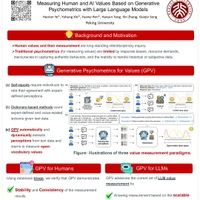
Designing Game Feel. A Survey
Game feel design is the intentional design of the affective impact of moment-to-moment interaction with games. In this paper we survey academic research and publications by practitioners to give a complete overview of the state of research concerning this aspect of game design, including context from related areas. We analysed over 200 sources and categorised their content according to the design purpose presented. This resulted in three different domains of intended player experiences: physicality, amplification, and support. In these domains, the act of polishing that determines game feel, takes the shape of tuning, juicing, and streamlining respectively. Tuning the physicality of game objects creates cohesion, predictability, and the resulting movement informs many other design aspects. Juicing is the act of polishing amplification and it results in empowerment and provides clarity of feedback by communicating the importance of game events. Streamlining allows a game to act on the intention of the player, supporting the execution of actions in the game. These three design intents are the main means through which designers control minute details of interactivity and inform the player's reaction. This framework and its nuanced vocabulary can lead to an understanding of game feel that is shared between practitioners and researchers as highlighted in the concluding future research section.