
Get trending papers in your email inbox once a day!
Get trending papers in your email inbox!
Subscribe
Matrix3D: Large Photogrammetry Model All-in-One
We present Matrix3D, a unified model that performs several photogrammetry subtasks, including pose estimation, depth prediction, and novel view synthesis using just the same model. Matrix3D utilizes a multi-modal diffusion transformer (DiT) to integrate transformations across several modalities, such as images, camera parameters, and depth maps. The key to Matrix3D's large-scale multi-modal training lies in the incorporation of a mask learning strategy. This enables full-modality model training even with partially complete data, such as bi-modality data of image-pose and image-depth pairs, thus significantly increases the pool of available training data. Matrix3D demonstrates state-of-the-art performance in pose estimation and novel view synthesis tasks. Additionally, it offers fine-grained control through multi-round interactions, making it an innovative tool for 3D content creation. Project page: https://nju-3dv.github.io/projects/matrix3d.
Matrix-3D: Omnidirectional Explorable 3D World Generation
Explorable 3D world generation from a single image or text prompt forms a cornerstone of spatial intelligence. Recent works utilize video model to achieve wide-scope and generalizable 3D world generation. However, existing approaches often suffer from a limited scope in the generated scenes. In this work, we propose Matrix-3D, a framework that utilize panoramic representation for wide-coverage omnidirectional explorable 3D world generation that combines conditional video generation and panoramic 3D reconstruction. We first train a trajectory-guided panoramic video diffusion model that employs scene mesh renders as condition, to enable high-quality and geometrically consistent scene video generation. To lift the panorama scene video to 3D world, we propose two separate methods: (1) a feed-forward large panorama reconstruction model for rapid 3D scene reconstruction and (2) an optimization-based pipeline for accurate and detailed 3D scene reconstruction. To facilitate effective training, we also introduce the Matrix-Pano dataset, the first large-scale synthetic collection comprising 116K high-quality static panoramic video sequences with depth and trajectory annotations. Extensive experiments demonstrate that our proposed framework achieves state-of-the-art performance in panoramic video generation and 3D world generation. See more in https://matrix-3d.github.io.


Matrix-Game 2.0: An Open-Source, Real-Time, and Streaming Interactive World Model
Recent advances in interactive video generations have demonstrated diffusion model's potential as world models by capturing complex physical dynamics and interactive behaviors. However, existing interactive world models depend on bidirectional attention and lengthy inference steps, severely limiting real-time performance. Consequently, they are hard to simulate real-world dynamics, where outcomes must update instantaneously based on historical context and current actions. To address this, we present Matrix-Game 2.0, an interactive world model generates long videos on-the-fly via few-step auto-regressive diffusion. Our framework consists of three key components: (1) A scalable data production pipeline for Unreal Engine and GTA5 environments to effectively produce massive amounts (about 1200 hours) of video data with diverse interaction annotations; (2) An action injection module that enables frame-level mouse and keyboard inputs as interactive conditions; (3) A few-step distillation based on the casual architecture for real-time and streaming video generation. Matrix Game 2.0 can generate high-quality minute-level videos across diverse scenes at an ultra-fast speed of 25 FPS. We open-source our model weights and codebase to advance research in interactive world modeling.
Masked Temporal Interpolation Diffusion for Procedure Planning in Instructional Videos
In this paper, we address the challenge of procedure planning in instructional videos, aiming to generate coherent and task-aligned action sequences from start and end visual observations. Previous work has mainly relied on text-level supervision to bridge the gap between observed states and unobserved actions, but it struggles with capturing intricate temporal relationships among actions. Building on these efforts, we propose the Masked Temporal Interpolation Diffusion (MTID) model that introduces a latent space temporal interpolation module within the diffusion model. This module leverages a learnable interpolation matrix to generate intermediate latent features, thereby augmenting visual supervision with richer mid-state details. By integrating this enriched supervision into the model, we enable end-to-end training tailored to task-specific requirements, significantly enhancing the model's capacity to predict temporally coherent action sequences. Additionally, we introduce an action-aware mask projection mechanism to restrict the action generation space, combined with a task-adaptive masked proximity loss to prioritize more accurate reasoning results close to the given start and end states over those in intermediate steps. Simultaneously, it filters out task-irrelevant action predictions, leading to contextually aware action sequences. Experimental results across three widely used benchmark datasets demonstrate that our MTID achieves promising action planning performance on most metrics. The code is available at https://github.com/WiserZhou/MTID.
Structured Denoising Diffusion Models in Discrete State-Spaces
Denoising diffusion probabilistic models (DDPMs) (Ho et al. 2020) have shown impressive results on image and waveform generation in continuous state spaces. Here, we introduce Discrete Denoising Diffusion Probabilistic Models (D3PMs), diffusion-like generative models for discrete data that generalize the multinomial diffusion model of Hoogeboom et al. 2021, by going beyond corruption processes with uniform transition probabilities. This includes corruption with transition matrices that mimic Gaussian kernels in continuous space, matrices based on nearest neighbors in embedding space, and matrices that introduce absorbing states. The third allows us to draw a connection between diffusion models and autoregressive and mask-based generative models. We show that the choice of transition matrix is an important design decision that leads to improved results in image and text domains. We also introduce a new loss function that combines the variational lower bound with an auxiliary cross entropy loss. For text, this model class achieves strong results on character-level text generation while scaling to large vocabularies on LM1B. On the image dataset CIFAR-10, our models approach the sample quality and exceed the log-likelihood of the continuous-space DDPM model.
HIR-Diff: Unsupervised Hyperspectral Image Restoration Via Improved Diffusion Models
Hyperspectral image (HSI) restoration aims at recovering clean images from degraded observations and plays a vital role in downstream tasks. Existing model-based methods have limitations in accurately modeling the complex image characteristics with handcraft priors, and deep learning-based methods suffer from poor generalization ability. To alleviate these issues, this paper proposes an unsupervised HSI restoration framework with pre-trained diffusion model (HIR-Diff), which restores the clean HSIs from the product of two low-rank components, i.e., the reduced image and the coefficient matrix. Specifically, the reduced image, which has a low spectral dimension, lies in the image field and can be inferred from our improved diffusion model where a new guidance function with total variation (TV) prior is designed to ensure that the reduced image can be well sampled. The coefficient matrix can be effectively pre-estimated based on singular value decomposition (SVD) and rank-revealing QR (RRQR) factorization. Furthermore, a novel exponential noise schedule is proposed to accelerate the restoration process (about 5times acceleration for denoising) with little performance decrease. Extensive experimental results validate the superiority of our method in both performance and speed on a variety of HSI restoration tasks, including HSI denoising, noisy HSI super-resolution, and noisy HSI inpainting. The code is available at https://github.com/LiPang/HIRDiff.

Fashion Matrix: Editing Photos by Just Talking
The utilization of Large Language Models (LLMs) for the construction of AI systems has garnered significant attention across diverse fields. The extension of LLMs to the domain of fashion holds substantial commercial potential but also inherent challenges due to the intricate semantic interactions in fashion-related generation. To address this issue, we developed a hierarchical AI system called Fashion Matrix dedicated to editing photos by just talking. This system facilitates diverse prompt-driven tasks, encompassing garment or accessory replacement, recoloring, addition, and removal. Specifically, Fashion Matrix employs LLM as its foundational support and engages in iterative interactions with users. It employs a range of Semantic Segmentation Models (e.g., Grounded-SAM, MattingAnything, etc.) to delineate the specific editing masks based on user instructions. Subsequently, Visual Foundation Models (e.g., Stable Diffusion, ControlNet, etc.) are leveraged to generate edited images from text prompts and masks, thereby facilitating the automation of fashion editing processes. Experiments demonstrate the outstanding ability of Fashion Matrix to explores the collaborative potential of functionally diverse pre-trained models in the domain of fashion editing.

SingLoRA: Low Rank Adaptation Using a Single Matrix
Low-Rank Adaptation (LoRA) has significantly advanced parameter-efficient fine-tuning of large pretrained models. LoRA augments the pre-trained weights of a model by adding the product of two smaller matrices that together form a low-rank matrix update. Recent research has shown that scale disparities between these two matrices often cause unstable training dynamics, leading to suboptimal performance. In this paper, we propose SingLoRA, which reformulates low-rank adaptation by learning the weights update as a decomposition of a single low-rank matrix multiplied by its transpose. This simple design inherently removes inter-matrix scale conflicts, ensuring stable optimization, and roughly halves the parameter count. We analyze SingLoRA within the infinite-width neural network framework, showing that it guarantees stable feature learning by construction. Extensive experiments on multiple tasks validate these benefits. In common sense reasoning, fine-tuning LLama 7B on MNLI with SingLoRA achieves 91.3% accuracy - surpassing LoRA (89.1%) and LoRA+ (90.2%) - while using only 60% of their parameter budget. In image generation, fine-tuning Stable Diffusion with SingLoRA significantly improves image fidelity on DreamBooth, achieving a DINO similarity score of 0.151, compared to scores of 0.148 and 0.143 for DoRA and LoRA, respectively.


TR-DQ: Time-Rotation Diffusion Quantization
Diffusion models have been widely adopted in image and video generation. However, their complex network architecture leads to high inference overhead for its generation process. Existing diffusion quantization methods primarily focus on the quantization of the model structure while ignoring the impact of time-steps variation during sampling. At the same time, most current approaches fail to account for significant activations that cannot be eliminated, resulting in substantial performance degradation after quantization. To address these issues, we propose Time-Rotation Diffusion Quantization (TR-DQ), a novel quantization method incorporating time-step and rotation-based optimization. TR-DQ first divides the sampling process based on time-steps and applies a rotation matrix to smooth activations and weights dynamically. For different time-steps, a dedicated hyperparameter is introduced for adaptive timing modeling, which enables dynamic quantization across different time steps. Additionally, we also explore the compression potential of Classifier-Free Guidance (CFG-wise) to establish a foundation for subsequent work. TR-DQ achieves state-of-the-art (SOTA) performance on image generation and video generation tasks and a 1.38-1.89x speedup and 1.97-2.58x memory reduction in inference compared to existing quantization methods.

Decomposed Diffusion Sampler for Accelerating Large-Scale Inverse Problems
Krylov subspace, which is generated by multiplying a given vector by the matrix of a linear transformation and its successive powers, has been extensively studied in classical optimization literature to design algorithms that converge quickly for large linear inverse problems. For example, the conjugate gradient method (CG), one of the most popular Krylov subspace methods, is based on the idea of minimizing the residual error in the Krylov subspace. However, with the recent advancement of high-performance diffusion solvers for inverse problems, it is not clear how classical wisdom can be synergistically combined with modern diffusion models. In this study, we propose a novel and efficient diffusion sampling strategy that synergistically combines the diffusion sampling and Krylov subspace methods. Specifically, we prove that if the tangent space at a denoised sample by Tweedie's formula forms a Krylov subspace, then the CG initialized with the denoised data ensures the data consistency update to remain in the tangent space. This negates the need to compute the manifold-constrained gradient (MCG), leading to a more efficient diffusion sampling method. Our method is applicable regardless of the parametrization and setting (i.e., VE, VP). Notably, we achieve state-of-the-art reconstruction quality on challenging real-world medical inverse imaging problems, including multi-coil MRI reconstruction and 3D CT reconstruction. Moreover, our proposed method achieves more than 80 times faster inference time than the previous state-of-the-art method. Code is available at https://github.com/HJ-harry/DDS
Self-Rectifying Diffusion Sampling with Perturbed-Attention Guidance
Recent studies have demonstrated that diffusion models are capable of generating high-quality samples, but their quality heavily depends on sampling guidance techniques, such as classifier guidance (CG) and classifier-free guidance (CFG). These techniques are often not applicable in unconditional generation or in various downstream tasks such as image restoration. In this paper, we propose a novel sampling guidance, called Perturbed-Attention Guidance (PAG), which improves diffusion sample quality across both unconditional and conditional settings, achieving this without requiring additional training or the integration of external modules. PAG is designed to progressively enhance the structure of samples throughout the denoising process. It involves generating intermediate samples with degraded structure by substituting selected self-attention maps in diffusion U-Net with an identity matrix, by considering the self-attention mechanisms' ability to capture structural information, and guiding the denoising process away from these degraded samples. In both ADM and Stable Diffusion, PAG surprisingly improves sample quality in conditional and even unconditional scenarios. Moreover, PAG significantly improves the baseline performance in various downstream tasks where existing guidances such as CG or CFG cannot be fully utilized, including ControlNet with empty prompts and image restoration such as inpainting and deblurring.



LoRA-Composer: Leveraging Low-Rank Adaptation for Multi-Concept Customization in Training-Free Diffusion Models
Customization generation techniques have significantly advanced the synthesis of specific concepts across varied contexts. Multi-concept customization emerges as the challenging task within this domain. Existing approaches often rely on training a fusion matrix of multiple Low-Rank Adaptations (LoRAs) to merge various concepts into a single image. However, we identify this straightforward method faces two major challenges: 1) concept confusion, where the model struggles to preserve distinct individual characteristics, and 2) concept vanishing, where the model fails to generate the intended subjects. To address these issues, we introduce LoRA-Composer, a training-free framework designed for seamlessly integrating multiple LoRAs, thereby enhancing the harmony among different concepts within generated images. LoRA-Composer addresses concept vanishing through concept injection constraints, enhancing concept visibility via an expanded cross-attention mechanism. To combat concept confusion, concept isolation constraints are introduced, refining the self-attention computation. Furthermore, latent re-initialization is proposed to effectively stimulate concept-specific latent within designated regions. Our extensive testing showcases a notable enhancement in LoRA-Composer's performance compared to standard baselines, especially when eliminating the image-based conditions like canny edge or pose estimations. Code is released at https://github.com/Young98CN/LoRA_Composer


StyleDiffusion: Controllable Disentangled Style Transfer via Diffusion Models
Content and style (C-S) disentanglement is a fundamental problem and critical challenge of style transfer. Existing approaches based on explicit definitions (e.g., Gram matrix) or implicit learning (e.g., GANs) are neither interpretable nor easy to control, resulting in entangled representations and less satisfying results. In this paper, we propose a new C-S disentangled framework for style transfer without using previous assumptions. The key insight is to explicitly extract the content information and implicitly learn the complementary style information, yielding interpretable and controllable C-S disentanglement and style transfer. A simple yet effective CLIP-based style disentanglement loss coordinated with a style reconstruction prior is introduced to disentangle C-S in the CLIP image space. By further leveraging the powerful style removal and generative ability of diffusion models, our framework achieves superior results than state of the art and flexible C-S disentanglement and trade-off control. Our work provides new insights into the C-S disentanglement in style transfer and demonstrates the potential of diffusion models for learning well-disentangled C-S characteristics.
Unified Discrete Diffusion for Simultaneous Vision-Language Generation
The recently developed discrete diffusion models perform extraordinarily well in the text-to-image task, showing significant promise for handling the multi-modality signals. In this work, we harness these traits and present a unified multimodal generation model that can conduct both the "modality translation" and "multi-modality generation" tasks using a single model, performing text-based, image-based, and even vision-language simultaneous generation. Specifically, we unify the discrete diffusion process for multimodal signals by proposing a unified transition matrix. Moreover, we design a mutual attention module with fused embedding layer and a unified objective function to emphasise the inter-modal linkages, which are vital for multi-modality generation. Extensive experiments indicate that our proposed method can perform comparably to the state-of-the-art solutions in various generation tasks.


SaRA: High-Efficient Diffusion Model Fine-tuning with Progressive Sparse Low-Rank Adaptation
In recent years, the development of diffusion models has led to significant progress in image and video generation tasks, with pre-trained models like the Stable Diffusion series playing a crucial role. Inspired by model pruning which lightens large pre-trained models by removing unimportant parameters, we propose a novel model fine-tuning method to make full use of these ineffective parameters and enable the pre-trained model with new task-specified capabilities. In this work, we first investigate the importance of parameters in pre-trained diffusion models, and discover that the smallest 10% to 20% of parameters by absolute values do not contribute to the generation process. Based on this observation, we propose a method termed SaRA that re-utilizes these temporarily ineffective parameters, equating to optimizing a sparse weight matrix to learn the task-specific knowledge. To mitigate overfitting, we propose a nuclear-norm-based low-rank sparse training scheme for efficient fine-tuning. Furthermore, we design a new progressive parameter adjustment strategy to make full use of the re-trained/finetuned parameters. Finally, we propose a novel unstructural backpropagation strategy, which significantly reduces memory costs during fine-tuning. Our method enhances the generative capabilities of pre-trained models in downstream applications and outperforms traditional fine-tuning methods like LoRA in maintaining model's generalization ability. We validate our approach through fine-tuning experiments on SD models, demonstrating significant improvements. SaRA also offers a practical advantage that requires only a single line of code modification for efficient implementation and is seamlessly compatible with existing methods.


Deformation-Recovery Diffusion Model (DRDM): Instance Deformation for Image Manipulation and Synthesis
In medical imaging, the diffusion models have shown great potential in synthetic image generation tasks. However, these models often struggle with the interpretable connections between the generated and existing images and could create illusions. To address these challenges, our research proposes a novel diffusion-based generative model based on deformation diffusion and recovery. This model, named Deformation-Recovery Diffusion Model (DRDM), diverges from traditional score/intensity and latent feature-based approaches, emphasizing morphological changes through deformation fields rather than direct image synthesis. This is achieved by introducing a topological-preserving deformation field generation method, which randomly samples and integrates a set of multi-scale Deformation Vector Fields (DVF). DRDM is trained to learn to recover unreasonable deformation components, thereby restoring each randomly deformed image to a realistic distribution. These innovations facilitate the generation of diverse and anatomically plausible deformations, enhancing data augmentation and synthesis for further analysis in downstream tasks, such as few-shot learning and image registration. Experimental results in cardiac MRI and pulmonary CT show DRDM is capable of creating diverse, large (over 10\% image size deformation scale), and high-quality (negative rate of the Jacobian matrix's determinant is lower than 1\%) deformation fields. The further experimental results in downstream tasks, 2D image segmentation and 3D image registration, indicate significant improvements resulting from DRDM, showcasing the potential of our model to advance image manipulation and synthesis in medical imaging and beyond. Project page: https://jianqingzheng.github.io/def_diff_rec/

Get What You Want, Not What You Don't: Image Content Suppression for Text-to-Image Diffusion Models
The success of recent text-to-image diffusion models is largely due to their capacity to be guided by a complex text prompt, which enables users to precisely describe the desired content. However, these models struggle to effectively suppress the generation of undesired content, which is explicitly requested to be omitted from the generated image in the prompt. In this paper, we analyze how to manipulate the text embeddings and remove unwanted content from them. We introduce two contributions, which we refer to as soft-weighted regularization and inference-time text embedding optimization. The first regularizes the text embedding matrix and effectively suppresses the undesired content. The second method aims to further suppress the unwanted content generation of the prompt, and encourages the generation of desired content. We evaluate our method quantitatively and qualitatively on extensive experiments, validating its effectiveness. Furthermore, our method is generalizability to both the pixel-space diffusion models (i.e. DeepFloyd-IF) and the latent-space diffusion models (i.e. Stable Diffusion).

Joint Generative Modeling of Scene Graphs and Images via Diffusion Models
In this paper, we present a novel generative task: joint scene graph - image generation. While previous works have explored image generation conditioned on scene graphs or layouts, our task is distinctive and important as it involves generating scene graphs themselves unconditionally from noise, enabling efficient and interpretable control for image generation. Our task is challenging, requiring the generation of plausible scene graphs with heterogeneous attributes for nodes (objects) and edges (relations among objects), including continuous object bounding boxes and discrete object and relation categories. We introduce a novel diffusion model, DiffuseSG, that jointly models the adjacency matrix along with heterogeneous node and edge attributes. We explore various types of encodings for the categorical data, relaxing it into a continuous space. With a graph transformer being the denoiser, DiffuseSG successively denoises the scene graph representation in a continuous space and discretizes the final representation to generate the clean scene graph. Additionally, we introduce an IoU regularization to enhance the empirical performance. Our model significantly outperforms existing methods in scene graph generation on the Visual Genome and COCO-Stuff datasets, both on standard and newly introduced metrics that better capture the problem complexity. Moreover, we demonstrate the additional benefits of our model in two downstream applications: 1) excelling in a series of scene graph completion tasks, and 2) improving scene graph detection models by using extra training samples generated from DiffuseSG.

LayoutDiffusion: Improving Graphic Layout Generation by Discrete Diffusion Probabilistic Models
Creating graphic layouts is a fundamental step in graphic designs. In this work, we present a novel generative model named LayoutDiffusion for automatic layout generation. As layout is typically represented as a sequence of discrete tokens, LayoutDiffusion models layout generation as a discrete denoising diffusion process. It learns to reverse a mild forward process, in which layouts become increasingly chaotic with the growth of forward steps and layouts in the neighboring steps do not differ too much. Designing such a mild forward process is however very challenging as layout has both categorical attributes and ordinal attributes. To tackle the challenge, we summarize three critical factors for achieving a mild forward process for the layout, i.e., legality, coordinate proximity and type disruption. Based on the factors, we propose a block-wise transition matrix coupled with a piece-wise linear noise schedule. Experiments on RICO and PubLayNet datasets show that LayoutDiffusion outperforms state-of-the-art approaches significantly. Moreover, it enables two conditional layout generation tasks in a plug-and-play manner without re-training and achieves better performance than existing methods.


Graphically Structured Diffusion Models
We introduce a framework for automatically defining and learning deep generative models with problem-specific structure. We tackle problem domains that are more traditionally solved by algorithms such as sorting, constraint satisfaction for Sudoku, and matrix factorization. Concretely, we train diffusion models with an architecture tailored to the problem specification. This problem specification should contain a graphical model describing relationships between variables, and often benefits from explicit representation of subcomputations. Permutation invariances can also be exploited. Across a diverse set of experiments we improve the scaling relationship between problem dimension and our model's performance, in terms of both training time and final accuracy. Our code can be found at https://github.com/plai-group/gsdm.

MTADiffusion: Mask Text Alignment Diffusion Model for Object Inpainting
Advancements in generative models have enabled image inpainting models to generate content within specific regions of an image based on provided prompts and masks. However, existing inpainting methods often suffer from problems such as semantic misalignment, structural distortion, and style inconsistency. In this work, we present MTADiffusion, a Mask-Text Alignment diffusion model designed for object inpainting. To enhance the semantic capabilities of the inpainting model, we introduce MTAPipeline, an automatic solution for annotating masks with detailed descriptions. Based on the MTAPipeline, we construct a new MTADataset comprising 5 million images and 25 million mask-text pairs. Furthermore, we propose a multi-task training strategy that integrates both inpainting and edge prediction tasks to improve structural stability. To promote style consistency, we present a novel inpainting style-consistency loss using a pre-trained VGG network and the Gram matrix. Comprehensive evaluations on BrushBench and EditBench demonstrate that MTADiffusion achieves state-of-the-art performance compared to other methods.
AgeBooth: Controllable Facial Aging and Rejuvenation via Diffusion Models
Recent diffusion model research focuses on generating identity-consistent images from a reference photo, but they struggle to accurately control age while preserving identity, and fine-tuning such models often requires costly paired images across ages. In this paper, we propose AgeBooth, a novel age-specific finetuning approach that can effectively enhance the age control capability of adapterbased identity personalization models without the need for expensive age-varied datasets. To reduce dependence on a large amount of age-labeled data, we exploit the linear nature of aging by introducing age-conditioned prompt blending and an age-specific LoRA fusion strategy that leverages SVDMix, a matrix fusion technique. These techniques enable high-quality generation of intermediate-age portraits. Our AgeBooth produces realistic and identity-consistent face images across different ages from a single reference image. Experiments show that AgeBooth achieves superior age control and visual quality compared to previous state-of-the-art editing-based methods.


Learning Iterative Reasoning through Energy Diffusion
We introduce iterative reasoning through energy diffusion (IRED), a novel framework for learning to reason for a variety of tasks by formulating reasoning and decision-making problems with energy-based optimization. IRED learns energy functions to represent the constraints between input conditions and desired outputs. After training, IRED adapts the number of optimization steps during inference based on problem difficulty, enabling it to solve problems outside its training distribution -- such as more complex Sudoku puzzles, matrix completion with large value magnitudes, and pathfinding in larger graphs. Key to our method's success is two novel techniques: learning a sequence of annealed energy landscapes for easier inference and a combination of score function and energy landscape supervision for faster and more stable training. Our experiments show that IRED outperforms existing methods in continuous-space reasoning, discrete-space reasoning, and planning tasks, particularly in more challenging scenarios. Code and visualizations at https://energy-based-model.github.io/ired/

SARA: Structural and Adversarial Representation Alignment for Training-efficient Diffusion Models
Modern diffusion models encounter a fundamental trade-off between training efficiency and generation quality. While existing representation alignment methods, such as REPA, accelerate convergence through patch-wise alignment, they often fail to capture structural relationships within visual representations and ensure global distribution consistency between pretrained encoders and denoising networks. To address these limitations, we introduce SARA, a hierarchical alignment framework that enforces multi-level representation constraints: (1) patch-wise alignment to preserve local semantic details, (2) autocorrelation matrix alignment to maintain structural consistency within representations, and (3) adversarial distribution alignment to mitigate global representation discrepancies. Unlike previous approaches, SARA explicitly models both intra-representation correlations via self-similarity matrices and inter-distribution coherence via adversarial alignment, enabling comprehensive alignment across local and global scales. Experiments on ImageNet-256 show that SARA achieves an FID of 1.36 while converging twice as fast as REPA, surpassing recent state-of-the-art image generation methods. This work establishes a systematic paradigm for optimizing diffusion training through hierarchical representation alignment.
The CLIP Model is Secretly an Image-to-Prompt Converter
The Stable Diffusion model is a prominent text-to-image generation model that relies on a text prompt as its input, which is encoded using the Contrastive Language-Image Pre-Training (CLIP). However, text prompts have limitations when it comes to incorporating implicit information from reference images. Existing methods have attempted to address this limitation by employing expensive training procedures involving millions of training samples for image-to-image generation. In contrast, this paper demonstrates that the CLIP model, as utilized in Stable Diffusion, inherently possesses the ability to instantaneously convert images into text prompts. Such an image-to-prompt conversion can be achieved by utilizing a linear projection matrix that is calculated in a closed form. Moreover, the paper showcases that this capability can be further enhanced by either utilizing a small amount of similar-domain training data (approximately 100 images) or incorporating several online training steps (around 30 iterations) on the reference images. By leveraging these approaches, the proposed method offers a simple and flexible solution to bridge the gap between images and text prompts. This methodology can be applied to various tasks such as image variation and image editing, facilitating more effective and seamless interaction between images and textual prompts.
How Much is Enough? A Study on Diffusion Times in Score-based Generative Models
Score-based diffusion models are a class of generative models whose dynamics is described by stochastic differential equations that map noise into data. While recent works have started to lay down a theoretical foundation for these models, an analytical understanding of the role of the diffusion time T is still lacking. Current best practice advocates for a large T to ensure that the forward dynamics brings the diffusion sufficiently close to a known and simple noise distribution; however, a smaller value of T should be preferred for a better approximation of the score-matching objective and higher computational efficiency. Starting from a variational interpretation of diffusion models, in this work we quantify this trade-off, and suggest a new method to improve quality and efficiency of both training and sampling, by adopting smaller diffusion times. Indeed, we show how an auxiliary model can be used to bridge the gap between the ideal and the simulated forward dynamics, followed by a standard reverse diffusion process. Empirical results support our analysis; for image data, our method is competitive w.r.t. the state-of-the-art, according to standard sample quality metrics and log-likelihood.


Diffusion Models for Medical Image Analysis: A Comprehensive Survey
Denoising diffusion models, a class of generative models, have garnered immense interest lately in various deep-learning problems. A diffusion probabilistic model defines a forward diffusion stage where the input data is gradually perturbed over several steps by adding Gaussian noise and then learns to reverse the diffusion process to retrieve the desired noise-free data from noisy data samples. Diffusion models are widely appreciated for their strong mode coverage and quality of the generated samples despite their known computational burdens. Capitalizing on the advances in computer vision, the field of medical imaging has also observed a growing interest in diffusion models. To help the researcher navigate this profusion, this survey intends to provide a comprehensive overview of diffusion models in the discipline of medical image analysis. Specifically, we introduce the solid theoretical foundation and fundamental concepts behind diffusion models and the three generic diffusion modelling frameworks: diffusion probabilistic models, noise-conditioned score networks, and stochastic differential equations. Then, we provide a systematic taxonomy of diffusion models in the medical domain and propose a multi-perspective categorization based on their application, imaging modality, organ of interest, and algorithms. To this end, we cover extensive applications of diffusion models in the medical domain. Furthermore, we emphasize the practical use case of some selected approaches, and then we discuss the limitations of the diffusion models in the medical domain and propose several directions to fulfill the demands of this field. Finally, we gather the overviewed studies with their available open-source implementations at https://github.com/amirhossein-kz/Awesome-Diffusion-Models-in-Medical-Imaging.

Beyond U: Making Diffusion Models Faster & Lighter
Diffusion models are a family of generative models that yield record-breaking performance in tasks such as image synthesis, video generation, and molecule design. Despite their capabilities, their efficiency, especially in the reverse denoising process, remains a challenge due to slow convergence rates and high computational costs. In this work, we introduce an approach that leverages continuous dynamical systems to design a novel denoising network for diffusion models that is more parameter-efficient, exhibits faster convergence, and demonstrates increased noise robustness. Experimenting with denoising probabilistic diffusion models, our framework operates with approximately a quarter of the parameters and 30% of the Floating Point Operations (FLOPs) compared to standard U-Nets in Denoising Diffusion Probabilistic Models (DDPMs). Furthermore, our model is up to 70% faster in inference than the baseline models when measured in equal conditions while converging to better quality solutions.

Representation Learning with Diffusion Models
Diffusion models (DMs) have achieved state-of-the-art results for image synthesis tasks as well as density estimation. Applied in the latent space of a powerful pretrained autoencoder (LDM), their immense computational requirements can be significantly reduced without sacrificing sampling quality. However, DMs and LDMs lack a semantically meaningful representation space as the diffusion process gradually destroys information in the latent variables. We introduce a framework for learning such representations with diffusion models (LRDM). To that end, a LDM is conditioned on the representation extracted from the clean image by a separate encoder. In particular, the DM and the representation encoder are trained jointly in order to learn rich representations specific to the generative denoising process. By introducing a tractable representation prior, we can efficiently sample from the representation distribution for unconditional image synthesis without training of any additional model. We demonstrate that i) competitive image generation results can be achieved with image-parameterized LDMs, ii) LRDMs are capable of learning semantically meaningful representations, allowing for faithful image reconstructions and semantic interpolations. Our implementation is available at https://github.com/jeremiastraub/diffusion.

On gauge freedom, conservativity and intrinsic dimensionality estimation in diffusion models
Diffusion models are generative models that have recently demonstrated impressive performances in terms of sampling quality and density estimation in high dimensions. They rely on a forward continuous diffusion process and a backward continuous denoising process, which can be described by a time-dependent vector field and is used as a generative model. In the original formulation of the diffusion model, this vector field is assumed to be the score function (i.e. it is the gradient of the log-probability at a given time in the diffusion process). Curiously, on the practical side, most studies on diffusion models implement this vector field as a neural network function and do not constrain it be the gradient of some energy function (that is, most studies do not constrain the vector field to be conservative). Even though some studies investigated empirically whether such a constraint will lead to a performance gain, they lead to contradicting results and failed to provide analytical results. Here, we provide three analytical results regarding the extent of the modeling freedom of this vector field. {Firstly, we propose a novel decomposition of vector fields into a conservative component and an orthogonal component which satisfies a given (gauge) freedom. Secondly, from this orthogonal decomposition, we show that exact density estimation and exact sampling is achieved when the conservative component is exactly equals to the true score and therefore conservativity is neither necessary nor sufficient to obtain exact density estimation and exact sampling. Finally, we show that when it comes to inferring local information of the data manifold, constraining the vector field to be conservative is desirable.
Analyzing Diffusion as Serial Reproduction
Diffusion models are a class of generative models that learn to synthesize samples by inverting a diffusion process that gradually maps data into noise. While these models have enjoyed great success recently, a full theoretical understanding of their observed properties is still lacking, in particular, their weak sensitivity to the choice of noise family and the role of adequate scheduling of noise levels for good synthesis. By identifying a correspondence between diffusion models and a well-known paradigm in cognitive science known as serial reproduction, whereby human agents iteratively observe and reproduce stimuli from memory, we show how the aforementioned properties of diffusion models can be explained as a natural consequence of this correspondence. We then complement our theoretical analysis with simulations that exhibit these key features. Our work highlights how classic paradigms in cognitive science can shed light on state-of-the-art machine learning problems.

Light Field Diffusion for Single-View Novel View Synthesis
Single-view novel view synthesis, the task of generating images from new viewpoints based on a single reference image, is an important but challenging task in computer vision. Recently, Denoising Diffusion Probabilistic Model (DDPM) has become popular in this area due to its strong ability to generate high-fidelity images. However, current diffusion-based methods directly rely on camera pose matrices as viewing conditions, globally and implicitly introducing 3D constraints. These methods may suffer from inconsistency among generated images from different perspectives, especially in regions with intricate textures and structures. In this work, we present Light Field Diffusion (LFD), a conditional diffusion-based model for single-view novel view synthesis. Unlike previous methods that employ camera pose matrices, LFD transforms the camera view information into light field encoding and combines it with the reference image. This design introduces local pixel-wise constraints within the diffusion models, thereby encouraging better multi-view consistency. Experiments on several datasets show that our LFD can efficiently generate high-fidelity images and maintain better 3D consistency even in intricate regions. Our method can generate images with higher quality than NeRF-based models, and we obtain sample quality similar to other diffusion-based models but with only one-third of the model size.

Improving 3D Imaging with Pre-Trained Perpendicular 2D Diffusion Models
Diffusion models have become a popular approach for image generation and reconstruction due to their numerous advantages. However, most diffusion-based inverse problem-solving methods only deal with 2D images, and even recently published 3D methods do not fully exploit the 3D distribution prior. To address this, we propose a novel approach using two perpendicular pre-trained 2D diffusion models to solve the 3D inverse problem. By modeling the 3D data distribution as a product of 2D distributions sliced in different directions, our method effectively addresses the curse of dimensionality. Our experimental results demonstrate that our method is highly effective for 3D medical image reconstruction tasks, including MRI Z-axis super-resolution, compressed sensing MRI, and sparse-view CT. Our method can generate high-quality voxel volumes suitable for medical applications.

User-defined Event Sampling and Uncertainty Quantification in Diffusion Models for Physical Dynamical Systems
Diffusion models are a class of probabilistic generative models that have been widely used as a prior for image processing tasks like text conditional generation and inpainting. We demonstrate that these models can be adapted to make predictions and provide uncertainty quantification for chaotic dynamical systems. In these applications, diffusion models can implicitly represent knowledge about outliers and extreme events; however, querying that knowledge through conditional sampling or measuring probabilities is surprisingly difficult. Existing methods for conditional sampling at inference time seek mainly to enforce the constraints, which is insufficient to match the statistics of the distribution or compute the probability of the chosen events. To achieve these ends, optimally one would use the conditional score function, but its computation is typically intractable. In this work, we develop a probabilistic approximation scheme for the conditional score function which provably converges to the true distribution as the noise level decreases. With this scheme we are able to sample conditionally on nonlinear userdefined events at inference time, and matches data statistics even when sampling from the tails of the distribution.
Solving 3D Inverse Problems using Pre-trained 2D Diffusion Models
Diffusion models have emerged as the new state-of-the-art generative model with high quality samples, with intriguing properties such as mode coverage and high flexibility. They have also been shown to be effective inverse problem solvers, acting as the prior of the distribution, while the information of the forward model can be granted at the sampling stage. Nonetheless, as the generative process remains in the same high dimensional (i.e. identical to data dimension) space, the models have not been extended to 3D inverse problems due to the extremely high memory and computational cost. In this paper, we combine the ideas from the conventional model-based iterative reconstruction with the modern diffusion models, which leads to a highly effective method for solving 3D medical image reconstruction tasks such as sparse-view tomography, limited angle tomography, compressed sensing MRI from pre-trained 2D diffusion models. In essence, we propose to augment the 2D diffusion prior with a model-based prior in the remaining direction at test time, such that one can achieve coherent reconstructions across all dimensions. Our method can be run in a single commodity GPU, and establishes the new state-of-the-art, showing that the proposed method can perform reconstructions of high fidelity and accuracy even in the most extreme cases (e.g. 2-view 3D tomography). We further reveal that the generalization capacity of the proposed method is surprisingly high, and can be used to reconstruct volumes that are entirely different from the training dataset.
Simultaneous q-Space Sampling Optimization and Reconstruction for Fast and High-fidelity Diffusion Magnetic Resonance Imaging
Diffusion Magnetic Resonance Imaging (dMRI) plays a crucial role in the noninvasive investigation of tissue microstructural properties and structural connectivity in the in vivo human brain. However, to effectively capture the intricate characteristics of water diffusion at various directions and scales, it is important to employ comprehensive q-space sampling. Unfortunately, this requirement leads to long scan times, limiting the clinical applicability of dMRI. To address this challenge, we propose SSOR, a Simultaneous q-Space sampling Optimization and Reconstruction framework. We jointly optimize a subset of q-space samples using a continuous representation of spherical harmonic functions and a reconstruction network. Additionally, we integrate the unique properties of diffusion magnetic resonance imaging (dMRI) in both the q-space and image domains by applying l1-norm and total-variation regularization. The experiments conducted on HCP data demonstrate that SSOR has promising strengths both quantitatively and qualitatively and exhibits robustness to noise.
Unifying Diffusion Models' Latent Space, with Applications to CycleDiffusion and Guidance
Diffusion models have achieved unprecedented performance in generative modeling. The commonly-adopted formulation of the latent code of diffusion models is a sequence of gradually denoised samples, as opposed to the simpler (e.g., Gaussian) latent space of GANs, VAEs, and normalizing flows. This paper provides an alternative, Gaussian formulation of the latent space of various diffusion models, as well as an invertible DPM-Encoder that maps images into the latent space. While our formulation is purely based on the definition of diffusion models, we demonstrate several intriguing consequences. (1) Empirically, we observe that a common latent space emerges from two diffusion models trained independently on related domains. In light of this finding, we propose CycleDiffusion, which uses DPM-Encoder for unpaired image-to-image translation. Furthermore, applying CycleDiffusion to text-to-image diffusion models, we show that large-scale text-to-image diffusion models can be used as zero-shot image-to-image editors. (2) One can guide pre-trained diffusion models and GANs by controlling the latent codes in a unified, plug-and-play formulation based on energy-based models. Using the CLIP model and a face recognition model as guidance, we demonstrate that diffusion models have better coverage of low-density sub-populations and individuals than GANs. The code is publicly available at https://github.com/ChenWu98/cycle-diffusion.

The Principles of Diffusion Models
This monograph presents the core principles that have guided the development of diffusion models, tracing their origins and showing how diverse formulations arise from shared mathematical ideas. Diffusion modeling starts by defining a forward process that gradually corrupts data into noise, linking the data distribution to a simple prior through a continuum of intermediate distributions. The goal is to learn a reverse process that transforms noise back into data while recovering the same intermediates. We describe three complementary views. The variational view, inspired by variational autoencoders, sees diffusion as learning to remove noise step by step. The score-based view, rooted in energy-based modeling, learns the gradient of the evolving data distribution, indicating how to nudge samples toward more likely regions. The flow-based view, related to normalizing flows, treats generation as following a smooth path that moves samples from noise to data under a learned velocity field. These perspectives share a common backbone: a time-dependent velocity field whose flow transports a simple prior to the data. Sampling then amounts to solving a differential equation that evolves noise into data along a continuous trajectory. On this foundation, the monograph discusses guidance for controllable generation, efficient numerical solvers, and diffusion-motivated flow-map models that learn direct mappings between arbitrary times. It provides a conceptual and mathematically grounded understanding of diffusion models for readers with basic deep-learning knowledge.
Isometric Representation Learning for Disentangled Latent Space of Diffusion Models
The latent space of diffusion model mostly still remains unexplored, despite its great success and potential in the field of generative modeling. In fact, the latent space of existing diffusion models are entangled, with a distorted mapping from its latent space to image space. To tackle this problem, we present Isometric Diffusion, equipping a diffusion model with a geometric regularizer to guide the model to learn a geometrically sound latent space of the training data manifold. This approach allows diffusion models to learn a more disentangled latent space, which enables smoother interpolation, more accurate inversion, and more precise control over attributes directly in the latent space. Our extensive experiments consisting of image interpolations, image inversions, and linear editing show the effectiveness of our method.

Synthetic Shifts to Initial Seed Vector Exposes the Brittle Nature of Latent-Based Diffusion Models
Recent advances in Conditional Diffusion Models have led to substantial capabilities in various domains. However, understanding the impact of variations in the initial seed vector remains an underexplored area of concern. Particularly, latent-based diffusion models display inconsistencies in image generation under standard conditions when initialized with suboptimal initial seed vectors. To understand the impact of the initial seed vector on generated samples, we propose a reliability evaluation framework that evaluates the generated samples of a diffusion model when the initial seed vector is subjected to various synthetic shifts. Our results indicate that slight manipulations to the initial seed vector of the state-of-the-art Stable Diffusion (Rombach et al., 2022) can lead to significant disturbances in the generated samples, consequently creating images without the effect of conditioning variables. In contrast, GLIDE (Nichol et al., 2022) stands out in generating reliable samples even when the initial seed vector is transformed. Thus, our study sheds light on the importance of the selection and the impact of the initial seed vector in the latent-based diffusion model.
Diffusion Models: A Comprehensive Survey of Methods and Applications
Diffusion models have emerged as a powerful new family of deep generative models with record-breaking performance in many applications, including image synthesis, video generation, and molecule design. In this survey, we provide an overview of the rapidly expanding body of work on diffusion models, categorizing the research into three key areas: efficient sampling, improved likelihood estimation, and handling data with special structures. We also discuss the potential for combining diffusion models with other generative models for enhanced results. We further review the wide-ranging applications of diffusion models in fields spanning from computer vision, natural language generation, temporal data modeling, to interdisciplinary applications in other scientific disciplines. This survey aims to provide a contextualized, in-depth look at the state of diffusion models, identifying the key areas of focus and pointing to potential areas for further exploration. Github: https://github.com/YangLing0818/Diffusion-Models-Papers-Survey-Taxonomy.


Diffusion Models Without Attention
In recent advancements in high-fidelity image generation, Denoising Diffusion Probabilistic Models (DDPMs) have emerged as a key player. However, their application at high resolutions presents significant computational challenges. Current methods, such as patchifying, expedite processes in UNet and Transformer architectures but at the expense of representational capacity. Addressing this, we introduce the Diffusion State Space Model (DiffuSSM), an architecture that supplants attention mechanisms with a more scalable state space model backbone. This approach effectively handles higher resolutions without resorting to global compression, thus preserving detailed image representation throughout the diffusion process. Our focus on FLOP-efficient architectures in diffusion training marks a significant step forward. Comprehensive evaluations on both ImageNet and LSUN datasets at two resolutions demonstrate that DiffuSSMs are on par or even outperform existing diffusion models with attention modules in FID and Inception Score metrics while significantly reducing total FLOP usage.

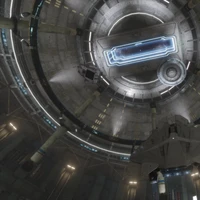
Light Transport-aware Diffusion Posterior Sampling for Single-View Reconstruction of 3D Volumes
We introduce a single-view reconstruction technique of volumetric fields in which multiple light scattering effects are omnipresent, such as in clouds. We model the unknown distribution of volumetric fields using an unconditional diffusion model trained on a novel benchmark dataset comprising 1,000 synthetically simulated volumetric density fields. The neural diffusion model is trained on the latent codes of a novel, diffusion-friendly, monoplanar representation. The generative model is used to incorporate a tailored parametric diffusion posterior sampling technique into different reconstruction tasks. A physically-based differentiable volume renderer is employed to provide gradients with respect to light transport in the latent space. This stands in contrast to classic NeRF approaches and makes the reconstructions better aligned with observed data. Through various experiments, we demonstrate single-view reconstruction of volumetric clouds at a previously unattainable quality.


Align Your Steps: Optimizing Sampling Schedules in Diffusion Models
Diffusion models (DMs) have established themselves as the state-of-the-art generative modeling approach in the visual domain and beyond. A crucial drawback of DMs is their slow sampling speed, relying on many sequential function evaluations through large neural networks. Sampling from DMs can be seen as solving a differential equation through a discretized set of noise levels known as the sampling schedule. While past works primarily focused on deriving efficient solvers, little attention has been given to finding optimal sampling schedules, and the entire literature relies on hand-crafted heuristics. In this work, for the first time, we propose a general and principled approach to optimizing the sampling schedules of DMs for high-quality outputs, called Align Your Steps. We leverage methods from stochastic calculus and find optimal schedules specific to different solvers, trained DMs and datasets. We evaluate our novel approach on several image, video as well as 2D toy data synthesis benchmarks, using a variety of different samplers, and observe that our optimized schedules outperform previous hand-crafted schedules in almost all experiments. Our method demonstrates the untapped potential of sampling schedule optimization, especially in the few-step synthesis regime.

Matryoshka Diffusion Models
Diffusion models are the de facto approach for generating high-quality images and videos, but learning high-dimensional models remains a formidable task due to computational and optimization challenges. Existing methods often resort to training cascaded models in pixel space or using a downsampled latent space of a separately trained auto-encoder. In this paper, we introduce Matryoshka Diffusion Models(MDM), an end-to-end framework for high-resolution image and video synthesis. We propose a diffusion process that denoises inputs at multiple resolutions jointly and uses a NestedUNet architecture where features and parameters for small-scale inputs are nested within those of large scales. In addition, MDM enables a progressive training schedule from lower to higher resolutions, which leads to significant improvements in optimization for high-resolution generation. We demonstrate the effectiveness of our approach on various benchmarks, including class-conditioned image generation, high-resolution text-to-image, and text-to-video applications. Remarkably, we can train a single pixel-space model at resolutions of up to 1024x1024 pixels, demonstrating strong zero-shot generalization using the CC12M dataset, which contains only 12 million images.


Diffusion Models and Representation Learning: A Survey
Diffusion Models are popular generative modeling methods in various vision tasks, attracting significant attention. They can be considered a unique instance of self-supervised learning methods due to their independence from label annotation. This survey explores the interplay between diffusion models and representation learning. It provides an overview of diffusion models' essential aspects, including mathematical foundations, popular denoising network architectures, and guidance methods. Various approaches related to diffusion models and representation learning are detailed. These include frameworks that leverage representations learned from pre-trained diffusion models for subsequent recognition tasks and methods that utilize advancements in representation and self-supervised learning to enhance diffusion models. This survey aims to offer a comprehensive overview of the taxonomy between diffusion models and representation learning, identifying key areas of existing concerns and potential exploration. Github link: https://github.com/dongzhuoyao/Diffusion-Representation-Learning-Survey-Taxonomy


Score Jacobian Chaining: Lifting Pretrained 2D Diffusion Models for 3D Generation
A diffusion model learns to predict a vector field of gradients. We propose to apply chain rule on the learned gradients, and back-propagate the score of a diffusion model through the Jacobian of a differentiable renderer, which we instantiate to be a voxel radiance field. This setup aggregates 2D scores at multiple camera viewpoints into a 3D score, and repurposes a pretrained 2D model for 3D data generation. We identify a technical challenge of distribution mismatch that arises in this application, and propose a novel estimation mechanism to resolve it. We run our algorithm on several off-the-shelf diffusion image generative models, including the recently released Stable Diffusion trained on the large-scale LAION dataset.

DistriFusion: Distributed Parallel Inference for High-Resolution Diffusion Models
Diffusion models have achieved great success in synthesizing high-quality images. However, generating high-resolution images with diffusion models is still challenging due to the enormous computational costs, resulting in a prohibitive latency for interactive applications. In this paper, we propose DistriFusion to tackle this problem by leveraging parallelism across multiple GPUs. Our method splits the model input into multiple patches and assigns each patch to a GPU. However, na\"{\i}vely implementing such an algorithm breaks the interaction between patches and loses fidelity, while incorporating such an interaction will incur tremendous communication overhead. To overcome this dilemma, we observe the high similarity between the input from adjacent diffusion steps and propose displaced patch parallelism, which takes advantage of the sequential nature of the diffusion process by reusing the pre-computed feature maps from the previous timestep to provide context for the current step. Therefore, our method supports asynchronous communication, which can be pipelined by computation. Extensive experiments show that our method can be applied to recent Stable Diffusion XL with no quality degradation and achieve up to a 6.1times speedup on eight NVIDIA A100s compared to one. Our code is publicly available at https://github.com/mit-han-lab/distrifuser.


An overview of diffusion models for generative artificial intelligence
This article provides a mathematically rigorous introduction to denoising diffusion probabilistic models (DDPMs), sometimes also referred to as diffusion probabilistic models or diffusion models, for generative artificial intelligence. We provide a detailed basic mathematical framework for DDPMs and explain the main ideas behind training and generation procedures. In this overview article we also review selected extensions and improvements of the basic framework from the literature such as improved DDPMs, denoising diffusion implicit models, classifier-free diffusion guidance models, and latent diffusion models.
Parallel Diffusion Models of Operator and Image for Blind Inverse Problems
Diffusion model-based inverse problem solvers have demonstrated state-of-the-art performance in cases where the forward operator is known (i.e. non-blind). However, the applicability of the method to blind inverse problems has yet to be explored. In this work, we show that we can indeed solve a family of blind inverse problems by constructing another diffusion prior for the forward operator. Specifically, parallel reverse diffusion guided by gradients from the intermediate stages enables joint optimization of both the forward operator parameters as well as the image, such that both are jointly estimated at the end of the parallel reverse diffusion procedure. We show the efficacy of our method on two representative tasks -- blind deblurring, and imaging through turbulence -- and show that our method yields state-of-the-art performance, while also being flexible to be applicable to general blind inverse problems when we know the functional forms.
Diffusion in Diffusion: Cyclic One-Way Diffusion for Text-Vision-Conditioned Generation
Originating from the diffusion phenomenon in physics that describes particle movement, the diffusion generative models inherit the characteristics of stochastic random walk in the data space along the denoising trajectory. However, the intrinsic mutual interference among image regions contradicts the need for practical downstream application scenarios where the preservation of low-level pixel information from given conditioning is desired (e.g., customization tasks like personalized generation and inpainting based on a user-provided single image). In this work, we investigate the diffusion (physics) in diffusion (machine learning) properties and propose our Cyclic One-Way Diffusion (COW) method to control the direction of diffusion phenomenon given a pre-trained frozen diffusion model for versatile customization application scenarios, where the low-level pixel information from the conditioning needs to be preserved. Notably, unlike most current methods that incorporate additional conditions by fine-tuning the base text-to-image diffusion model or learning auxiliary networks, our method provides a novel perspective to understand the task needs and is applicable to a wider range of customization scenarios in a learning-free manner. Extensive experiment results show that our proposed COW can achieve more flexible customization based on strict visual conditions in different application settings. Project page: https://wangruoyu02.github.io/cow.github.io/.

Simplified and Generalized Masked Diffusion for Discrete Data
Masked (or absorbing) diffusion is actively explored as an alternative to autoregressive models for generative modeling of discrete data. However, existing work in this area has been hindered by unnecessarily complex model formulations and unclear relationships between different perspectives, leading to suboptimal parameterization, training objectives, and ad hoc adjustments to counteract these issues. In this work, we aim to provide a simple and general framework that unlocks the full potential of masked diffusion models. We show that the continuous-time variational objective of masked diffusion models is a simple weighted integral of cross-entropy losses. Our framework also enables training generalized masked diffusion models with state-dependent masking schedules. When evaluated by perplexity, our models trained on OpenWebText surpass prior diffusion language models at GPT-2 scale and demonstrate superior performance on 4 out of 5 zero-shot language modeling tasks. Furthermore, our models vastly outperform previous discrete diffusion models on pixel-level image modeling, achieving 2.78~(CIFAR-10) and 3.42 (ImageNet 64times64) bits per dimension that are comparable or better than autoregressive models of similar sizes.


Dehazing Ultrasound using Diffusion Models
Echocardiography has been a prominent tool for the diagnosis of cardiac disease. However, these diagnoses can be heavily impeded by poor image quality. Acoustic clutter emerges due to multipath reflections imposed by layers of skin, subcutaneous fat, and intercostal muscle between the transducer and heart. As a result, haze and other noise artifacts pose a real challenge to cardiac ultrasound imaging. In many cases, especially with difficult-to-image patients such as patients with obesity, a diagnosis from B-Mode ultrasound imaging is effectively rendered unusable, forcing sonographers to resort to contrast-enhanced ultrasound examinations or refer patients to other imaging modalities. Tissue harmonic imaging has been a popular approach to combat haze, but in severe cases is still heavily impacted by haze. Alternatively, denoising algorithms are typically unable to remove highly structured and correlated noise, such as haze. It remains a challenge to accurately describe the statistical properties of structured haze, and develop an inference method to subsequently remove it. Diffusion models have emerged as powerful generative models and have shown their effectiveness in a variety of inverse problems. In this work, we present a joint posterior sampling framework that combines two separate diffusion models to model the distribution of both clean ultrasound and haze in an unsupervised manner. Furthermore, we demonstrate techniques for effectively training diffusion models on radio-frequency ultrasound data and highlight the advantages over image data. Experiments on both in-vitro and in-vivo cardiac datasets show that the proposed dehazing method effectively removes haze while preserving signals from weakly reflected tissue.

Discrete Markov Bridge
Discrete diffusion has recently emerged as a promising paradigm in discrete data modeling. However, existing methods typically rely on a fixed rate transition matrix during training, which not only limits the expressiveness of latent representations, a fundamental strength of variational methods, but also constrains the overall design space. To address these limitations, we propose Discrete Markov Bridge, a novel framework specifically designed for discrete representation learning. Our approach is built upon two key components: Matrix Learning and Score Learning. We conduct a rigorous theoretical analysis, establishing formal performance guarantees for Matrix Learning and proving the convergence of the overall framework. Furthermore, we analyze the space complexity of our method, addressing practical constraints identified in prior studies. Extensive empirical evaluations validate the effectiveness of the proposed Discrete Markov Bridge, which achieves an Evidence Lower Bound (ELBO) of 1.38 on the Text8 dataset, outperforming established baselines. Moreover, the proposed model demonstrates competitive performance on the CIFAR-10 dataset, achieving results comparable to those obtained by image-specific generation approaches.


Solving Inverse Problems via Diffusion-Based Priors: An Approximation-Free Ensemble Sampling Approach
Diffusion models (DMs) have proven to be effective in modeling high-dimensional distributions, leading to their widespread adoption for representing complex priors in Bayesian inverse problems (BIPs). However, current DM-based posterior sampling methods proposed for solving common BIPs rely on heuristic approximations to the generative process. To exploit the generative capability of DMs and avoid the usage of such approximations, we propose an ensemble-based algorithm that performs posterior sampling without the use of heuristic approximations. Our algorithm is motivated by existing works that combine DM-based methods with the sequential Monte Carlo (SMC) method. By examining how the prior evolves through the diffusion process encoded by the pre-trained score function, we derive a modified partial differential equation (PDE) governing the evolution of the corresponding posterior distribution. This PDE includes a modified diffusion term and a reweighting term, which can be simulated via stochastic weighted particle methods. Theoretically, we prove that the error between the true posterior distribution can be bounded in terms of the training error of the pre-trained score function and the number of particles in the ensemble. Empirically, we validate our algorithm on several inverse problems in imaging to show that our method gives more accurate reconstructions compared to existing DM-based methods.

Solving Inverse Problems with Latent Diffusion Models via Hard Data Consistency
Diffusion models have recently emerged as powerful generative priors for solving inverse problems. However, training diffusion models in the pixel space are both data-intensive and computationally demanding, which restricts their applicability as priors for high-dimensional real-world data such as medical images. Latent diffusion models, which operate in a much lower-dimensional space, offer a solution to these challenges. However, incorporating latent diffusion models to solve inverse problems remains a challenging problem due to the nonlinearity of the encoder and decoder. To address these issues, we propose ReSample, an algorithm that can solve general inverse problems with pre-trained latent diffusion models. Our algorithm incorporates data consistency by solving an optimization problem during the reverse sampling process, a concept that we term as hard data consistency. Upon solving this optimization problem, we propose a novel resampling scheme to map the measurement-consistent sample back onto the noisy data manifold and theoretically demonstrate its benefits. Lastly, we apply our algorithm to solve a wide range of linear and nonlinear inverse problems in both natural and medical images, demonstrating that our approach outperforms existing state-of-the-art approaches, including those based on pixel-space diffusion models.

OCD: Learning to Overfit with Conditional Diffusion Models
We present a dynamic model in which the weights are conditioned on an input sample x and are learned to match those that would be obtained by finetuning a base model on x and its label y. This mapping between an input sample and network weights is approximated by a denoising diffusion model. The diffusion model we employ focuses on modifying a single layer of the base model and is conditioned on the input, activations, and output of this layer. Since the diffusion model is stochastic in nature, multiple initializations generate different networks, forming an ensemble, which leads to further improvements. Our experiments demonstrate the wide applicability of the method for image classification, 3D reconstruction, tabular data, speech separation, and natural language processing. Our code is available at https://github.com/ShaharLutatiPersonal/OCD

High-Resolution Image Synthesis with Latent Diffusion Models
By decomposing the image formation process into a sequential application of denoising autoencoders, diffusion models (DMs) achieve state-of-the-art synthesis results on image data and beyond. Additionally, their formulation allows for a guiding mechanism to control the image generation process without retraining. However, since these models typically operate directly in pixel space, optimization of powerful DMs often consumes hundreds of GPU days and inference is expensive due to sequential evaluations. To enable DM training on limited computational resources while retaining their quality and flexibility, we apply them in the latent space of powerful pretrained autoencoders. In contrast to previous work, training diffusion models on such a representation allows for the first time to reach a near-optimal point between complexity reduction and detail preservation, greatly boosting visual fidelity. By introducing cross-attention layers into the model architecture, we turn diffusion models into powerful and flexible generators for general conditioning inputs such as text or bounding boxes and high-resolution synthesis becomes possible in a convolutional manner. Our latent diffusion models (LDMs) achieve a new state of the art for image inpainting and highly competitive performance on various tasks, including unconditional image generation, semantic scene synthesis, and super-resolution, while significantly reducing computational requirements compared to pixel-based DMs. Code is available at https://github.com/CompVis/latent-diffusion .
Improving Diffusion-Based Image Synthesis with Context Prediction
Diffusion models are a new class of generative models, and have dramatically promoted image generation with unprecedented quality and diversity. Existing diffusion models mainly try to reconstruct input image from a corrupted one with a pixel-wise or feature-wise constraint along spatial axes. However, such point-based reconstruction may fail to make each predicted pixel/feature fully preserve its neighborhood context, impairing diffusion-based image synthesis. As a powerful source of automatic supervisory signal, context has been well studied for learning representations. Inspired by this, we for the first time propose ConPreDiff to improve diffusion-based image synthesis with context prediction. We explicitly reinforce each point to predict its neighborhood context (i.e., multi-stride features/tokens/pixels) with a context decoder at the end of diffusion denoising blocks in training stage, and remove the decoder for inference. In this way, each point can better reconstruct itself by preserving its semantic connections with neighborhood context. This new paradigm of ConPreDiff can generalize to arbitrary discrete and continuous diffusion backbones without introducing extra parameters in sampling procedure. Extensive experiments are conducted on unconditional image generation, text-to-image generation and image inpainting tasks. Our ConPreDiff consistently outperforms previous methods and achieves a new SOTA text-to-image generation results on MS-COCO, with a zero-shot FID score of 6.21.
Neural Network Diffusion
Diffusion models have achieved remarkable success in image and video generation. In this work, we demonstrate that diffusion models can also generate high-performing neural network parameters. Our approach is simple, utilizing an autoencoder and a standard latent diffusion model. The autoencoder extracts latent representations of a subset of the trained network parameters. A diffusion model is then trained to synthesize these latent parameter representations from random noise. It then generates new representations that are passed through the autoencoder's decoder, whose outputs are ready to use as new subsets of network parameters. Across various architectures and datasets, our diffusion process consistently generates models of comparable or improved performance over trained networks, with minimal additional cost. Notably, we empirically find that the generated models perform differently with the trained networks. Our results encourage more exploration on the versatile use of diffusion models.


Distilling Parallel Gradients for Fast ODE Solvers of Diffusion Models
Diffusion models (DMs) have achieved state-of-the-art generative performance but suffer from high sampling latency due to their sequential denoising nature. Existing solver-based acceleration methods often face image quality degradation under a low-latency budget. In this paper, we propose the Ensemble Parallel Direction solver (dubbed as \ours), a novel ODE solver that mitigates truncation errors by incorporating multiple parallel gradient evaluations in each ODE step. Importantly, since the additional gradient computations are independent, they can be fully parallelized, preserving low-latency sampling. Our method optimizes a small set of learnable parameters in a distillation fashion, ensuring minimal training overhead. In addition, our method can serve as a plugin to improve existing ODE samplers. Extensive experiments on various image synthesis benchmarks demonstrate the effectiveness of our \ours~in achieving high-quality and low-latency sampling. For example, at the same latency level of 5 NFE, EPD achieves an FID of 4.47 on CIFAR-10, 7.97 on FFHQ, 8.17 on ImageNet, and 8.26 on LSUN Bedroom, surpassing existing learning-based solvers by a significant margin. Codes are available in https://github.com/BeierZhu/EPD.
Scaling Riemannian Diffusion Models
Riemannian diffusion models draw inspiration from standard Euclidean space diffusion models to learn distributions on general manifolds. Unfortunately, the additional geometric complexity renders the diffusion transition term inexpressible in closed form, so prior methods resort to imprecise approximations of the score matching training objective that degrade performance and preclude applications in high dimensions. In this work, we reexamine these approximations and propose several practical improvements. Our key observation is that most relevant manifolds are symmetric spaces, which are much more amenable to computation. By leveraging and combining various ans\"{a}tze, we can quickly compute relevant quantities to high precision. On low dimensional datasets, our correction produces a noticeable improvement, allowing diffusion to compete with other methods. Additionally, we show that our method enables us to scale to high dimensional tasks on nontrivial manifolds. In particular, we model QCD densities on SU(n) lattices and contrastively learned embeddings on high dimensional hyperspheres.
Generating a Biometrically Unique and Realistic Iris Database
The use of the iris as a biometric identifier has increased dramatically over the last 30 years, prompting privacy and security concerns about the use of iris images in research. It can be difficult to acquire iris image databases due to ethical concerns, and this can be a barrier for those performing biometrics research. In this paper, we describe and show how to create a database of realistic, biometrically unidentifiable colored iris images by training a diffusion model within an open-source diffusion framework. Not only were we able to verify that our model is capable of creating iris textures that are biometrically unique from the training data, but we were also able to verify that our model output creates a full distribution of realistic iris pigmentations. We highlight the fact that the utility of diffusion networks to achieve these criteria with relative ease, warrants additional research in its use within the context of iris database generation and presentation attack security.
Denoising Diffusion Probabilistic Models
We present high quality image synthesis results using diffusion probabilistic models, a class of latent variable models inspired by considerations from nonequilibrium thermodynamics. Our best results are obtained by training on a weighted variational bound designed according to a novel connection between diffusion probabilistic models and denoising score matching with Langevin dynamics, and our models naturally admit a progressive lossy decompression scheme that can be interpreted as a generalization of autoregressive decoding. On the unconditional CIFAR10 dataset, we obtain an Inception score of 9.46 and a state-of-the-art FID score of 3.17. On 256x256 LSUN, we obtain sample quality similar to ProgressiveGAN. Our implementation is available at https://github.com/hojonathanho/diffusion
DiffuseVAE: Efficient, Controllable and High-Fidelity Generation from Low-Dimensional Latents
Diffusion probabilistic models have been shown to generate state-of-the-art results on several competitive image synthesis benchmarks but lack a low-dimensional, interpretable latent space, and are slow at generation. On the other hand, standard Variational Autoencoders (VAEs) typically have access to a low-dimensional latent space but exhibit poor sample quality. We present DiffuseVAE, a novel generative framework that integrates VAE within a diffusion model framework, and leverage this to design novel conditional parameterizations for diffusion models. We show that the resulting model equips diffusion models with a low-dimensional VAE inferred latent code which can be used for downstream tasks like controllable synthesis. The proposed method also improves upon the speed vs quality tradeoff exhibited in standard unconditional DDPM/DDIM models (for instance, FID of 16.47 vs 34.36 using a standard DDIM on the CelebA-HQ-128 benchmark using T=10 reverse process steps) without having explicitly trained for such an objective. Furthermore, the proposed model exhibits synthesis quality comparable to state-of-the-art models on standard image synthesis benchmarks like CIFAR-10 and CelebA-64 while outperforming most existing VAE-based methods. Lastly, we show that the proposed method exhibits inherent generalization to different types of noise in the conditioning signal. For reproducibility, our source code is publicly available at https://github.com/kpandey008/DiffuseVAE.

DINAR: Diffusion Inpainting of Neural Textures for One-Shot Human Avatars
We present DINAR, an approach for creating realistic rigged fullbody avatars from single RGB images. Similarly to previous works, our method uses neural textures combined with the SMPL-X body model to achieve photo-realistic quality of avatars while keeping them easy to animate and fast to infer. To restore the texture, we use a latent diffusion model and show how such model can be trained in the neural texture space. The use of the diffusion model allows us to realistically reconstruct large unseen regions such as the back of a person given the frontal view. The models in our pipeline are trained using 2D images and videos only. In the experiments, our approach achieves state-of-the-art rendering quality and good generalization to new poses and viewpoints. In particular, the approach improves state-of-the-art on the SnapshotPeople public benchmark.

Denoising MCMC for Accelerating Diffusion-Based Generative Models
Diffusion models are powerful generative models that simulate the reverse of diffusion processes using score functions to synthesize data from noise. The sampling process of diffusion models can be interpreted as solving the reverse stochastic differential equation (SDE) or the ordinary differential equation (ODE) of the diffusion process, which often requires up to thousands of discretization steps to generate a single image. This has sparked a great interest in developing efficient integration techniques for reverse-S/ODEs. Here, we propose an orthogonal approach to accelerating score-based sampling: Denoising MCMC (DMCMC). DMCMC first uses MCMC to produce samples in the product space of data and variance (or diffusion time). Then, a reverse-S/ODE integrator is used to denoise the MCMC samples. Since MCMC traverses close to the data manifold, the computation cost of producing a clean sample for DMCMC is much less than that of producing a clean sample from noise. To verify the proposed concept, we show that Denoising Langevin Gibbs (DLG), an instance of DMCMC, successfully accelerates all six reverse-S/ODE integrators considered in this work on the tasks of CIFAR10 and CelebA-HQ-256 image generation. Notably, combined with integrators of Karras et al. (2022) and pre-trained score models of Song et al. (2021b), DLG achieves SOTA results. In the limited number of score function evaluation (NFE) settings on CIFAR10, we have 3.86 FID with approx 10 NFE and 2.63 FID with approx 20 NFE. On CelebA-HQ-256, we have 6.99 FID with approx 160 NFE, which beats the current best record of Kim et al. (2022) among score-based models, 7.16 FID with 4000 NFE. Code: https://github.com/1202kbs/DMCMC
Diffusion Models Learn Low-Dimensional Distributions via Subspace Clustering
Recent empirical studies have demonstrated that diffusion models can effectively learn the image distribution and generate new samples. Remarkably, these models can achieve this even with a small number of training samples despite a large image dimension, circumventing the curse of dimensionality. In this work, we provide theoretical insights into this phenomenon by leveraging key empirical observations: (i) the low intrinsic dimensionality of image data, (ii) a union of manifold structure of image data, and (iii) the low-rank property of the denoising autoencoder in trained diffusion models. These observations motivate us to assume the underlying data distribution of image data as a mixture of low-rank Gaussians and to parameterize the denoising autoencoder as a low-rank model according to the score function of the assumed distribution. With these setups, we rigorously show that optimizing the training loss of diffusion models is equivalent to solving the canonical subspace clustering problem over the training samples. Based on this equivalence, we further show that the minimal number of samples required to learn the underlying distribution scales linearly with the intrinsic dimensions under the above data and model assumptions. This insight sheds light on why diffusion models can break the curse of dimensionality and exhibit the phase transition in learning distributions. Moreover, we empirically establish a correspondence between the subspaces and the semantic representations of image data, facilitating image editing. We validate these results with corroborated experimental results on both simulated distributions and image datasets.

Eliminating Lipschitz Singularities in Diffusion Models
Diffusion models, which employ stochastic differential equations to sample images through integrals, have emerged as a dominant class of generative models. However, the rationality of the diffusion process itself receives limited attention, leaving the question of whether the problem is well-posed and well-conditioned. In this paper, we uncover a vexing propensity of diffusion models: they frequently exhibit the infinite Lipschitz near the zero point of timesteps. This poses a threat to the stability and accuracy of the diffusion process, which relies on integral operations. We provide a comprehensive evaluation of the issue from both theoretical and empirical perspectives. To address this challenge, we propose a novel approach, dubbed E-TSDM, which eliminates the Lipschitz singularity of the diffusion model near zero. Remarkably, our technique yields a substantial improvement in performance, e.g., on the high-resolution FFHQ dataset (256times256). Moreover, as a byproduct of our method, we manage to achieve a dramatic reduction in the Frechet Inception Distance of other acceleration methods relying on network Lipschitz, including DDIM and DPM-Solver, by over 33%. We conduct extensive experiments on diverse datasets to validate our theory and method. Our work not only advances the understanding of the general diffusion process, but also provides insights for the design of diffusion models.


DiffPose: Toward More Reliable 3D Pose Estimation
Monocular 3D human pose estimation is quite challenging due to the inherent ambiguity and occlusion, which often lead to high uncertainty and indeterminacy. On the other hand, diffusion models have recently emerged as an effective tool for generating high-quality images from noise. Inspired by their capability, we explore a novel pose estimation framework (DiffPose) that formulates 3D pose estimation as a reverse diffusion process. We incorporate novel designs into our DiffPose to facilitate the diffusion process for 3D pose estimation: a pose-specific initialization of pose uncertainty distributions, a Gaussian Mixture Model-based forward diffusion process, and a context-conditioned reverse diffusion process. Our proposed DiffPose significantly outperforms existing methods on the widely used pose estimation benchmarks Human3.6M and MPI-INF-3DHP. Project page: https://gongjia0208.github.io/Diffpose/.


Diffusion-based graph generative methods
Being the most cutting-edge generative methods, diffusion methods have shown great advances in wide generation tasks. Among them, graph generation attracts significant research attention for its broad application in real life. In our survey, we systematically and comprehensively review on diffusion-based graph generative methods. We first make a review on three mainstream paradigms of diffusion methods, which are denoising diffusion probabilistic models, score-based genrative models, and stochastic differential equations. Then we further categorize and introduce the latest applications of diffusion models on graphs. In the end, we point out some limitations of current studies and future directions of future explorations. The summary of existing methods metioned in this survey is in https://github.com/zhejiangzhuque/Diffusion-based-Graph-Generative-Methods.
Improving Diffusion Models for Inverse Problems using Manifold Constraints
Recently, diffusion models have been used to solve various inverse problems in an unsupervised manner with appropriate modifications to the sampling process. However, the current solvers, which recursively apply a reverse diffusion step followed by a projection-based measurement consistency step, often produce suboptimal results. By studying the generative sampling path, here we show that current solvers throw the sample path off the data manifold, and hence the error accumulates. To address this, we propose an additional correction term inspired by the manifold constraint, which can be used synergistically with the previous solvers to make the iterations close to the manifold. The proposed manifold constraint is straightforward to implement within a few lines of code, yet boosts the performance by a surprisingly large margin. With extensive experiments, we show that our method is superior to the previous methods both theoretically and empirically, producing promising results in many applications such as image inpainting, colorization, and sparse-view computed tomography. Code available https://github.com/HJ-harry/MCG_diffusion
Diffusion Models Generate Images Like Painters: an Analytical Theory of Outline First, Details Later
How do diffusion generative models convert pure noise into meaningful images? In a variety of pretrained diffusion models (including conditional latent space models like Stable Diffusion), we observe that the reverse diffusion process that underlies image generation has the following properties: (i) individual trajectories tend to be low-dimensional and resemble 2D `rotations'; (ii) high-variance scene features like layout tend to emerge earlier, while low-variance details tend to emerge later; and (iii) early perturbations tend to have a greater impact on image content than later perturbations. To understand these phenomena, we derive and study a closed-form solution to the probability flow ODE for a Gaussian distribution, which shows that the reverse diffusion state rotates towards a gradually-specified target on the image manifold. It also shows that generation involves first committing to an outline, and then to finer and finer details. We find that this solution accurately describes the initial phase of image generation for pretrained models, and can in principle be used to make image generation more efficient by skipping reverse diffusion steps. Finally, we use our solution to characterize the image manifold in Stable Diffusion. Our viewpoint reveals an unexpected similarity between generation by GANs and diffusion and provides a conceptual link between diffusion and image retrieval.

Generative Modeling with Phase Stochastic Bridges
Diffusion models (DMs) represent state-of-the-art generative models for continuous inputs. DMs work by constructing a Stochastic Differential Equation (SDE) in the input space (ie, position space), and using a neural network to reverse it. In this work, we introduce a novel generative modeling framework grounded in phase space dynamics, where a phase space is defined as {an augmented space encompassing both position and velocity.} Leveraging insights from Stochastic Optimal Control, we construct a path measure in the phase space that enables efficient sampling. {In contrast to DMs, our framework demonstrates the capability to generate realistic data points at an early stage of dynamics propagation.} This early prediction sets the stage for efficient data generation by leveraging additional velocity information along the trajectory. On standard image generation benchmarks, our model yields favorable performance over baselines in the regime of small Number of Function Evaluations (NFEs). Furthermore, our approach rivals the performance of diffusion models equipped with efficient sampling techniques, underscoring its potential as a new tool generative modeling.
Unpaired Image-to-Image Translation via Neural Schrödinger Bridge
Diffusion models are a powerful class of generative models which simulate stochastic differential equations (SDEs) to generate data from noise. While diffusion models have achieved remarkable progress, they have limitations in unpaired image-to-image (I2I) translation tasks due to the Gaussian prior assumption. Schr\"{o}dinger Bridge (SB), which learns an SDE to translate between two arbitrary distributions, have risen as an attractive solution to this problem. Yet, to our best knowledge, none of SB models so far have been successful at unpaired translation between high-resolution images. In this work, we propose Unpaired Neural Schr\"{o}dinger Bridge (UNSB), which expresses the SB problem as a sequence of adversarial learning problems. This allows us to incorporate advanced discriminators and regularization to learn a SB between unpaired data. We show that UNSB is scalable and successfully solves various unpaired I2I translation tasks. Code: https://github.com/cyclomon/UNSB

Nonparametric Modeling of Diffusion MRI Signal in Q-space
This paper describes a novel nonparametric model for modeling diffusion MRI signals in q-space. In q-space, diffusion MRI signal is measured for a sequence of magnetic strengths (b-values) and magnetic gradient directions (b-vectors). We propose a Poly-RBF model, which employs a bidirectional framework with polynomial bases to model the signal along the b-value direction and Gaussian radial bases across the b-vectors. The model can accommodate sparse data on b-values and moderately dense data on b-vectors. The utility of Poly-RBF is inspected for two applications: 1) prediction of the dMRI signal, and 2) harmonization of dMRI data collected under different acquisition protocols with different scanners. Our results indicate that the proposed Poly-RBF model can more accurately predict the unmeasured diffusion signal than its competitors such as the Gaussian process model in {\tt Eddy} of FSL. Applying it to harmonizing the diffusion signal can significantly improve the reproducibility of derived white matter microstructure measures.
Cold Diffusion: Inverting Arbitrary Image Transforms Without Noise
Standard diffusion models involve an image transform -- adding Gaussian noise -- and an image restoration operator that inverts this degradation. We observe that the generative behavior of diffusion models is not strongly dependent on the choice of image degradation, and in fact an entire family of generative models can be constructed by varying this choice. Even when using completely deterministic degradations (e.g., blur, masking, and more), the training and test-time update rules that underlie diffusion models can be easily generalized to create generative models. The success of these fully deterministic models calls into question the community's understanding of diffusion models, which relies on noise in either gradient Langevin dynamics or variational inference, and paves the way for generalized diffusion models that invert arbitrary processes. Our code is available at https://github.com/arpitbansal297/Cold-Diffusion-Models


DiffusionPoser: Real-time Human Motion Reconstruction From Arbitrary Sparse Sensors Using Autoregressive Diffusion
Motion capture from a limited number of body-worn sensors, such as inertial measurement units (IMUs) and pressure insoles, has important applications in health, human performance, and entertainment. Recent work has focused on accurately reconstructing whole-body motion from a specific sensor configuration using six IMUs. While a common goal across applications is to use the minimal number of sensors to achieve required accuracy, the optimal arrangement of the sensors might differ from application to application. We propose a single diffusion model, DiffusionPoser, which reconstructs human motion in real-time from an arbitrary combination of sensors, including IMUs placed at specified locations, and, pressure insoles. Unlike existing methods, our model grants users the flexibility to determine the number and arrangement of sensors tailored to the specific activity of interest, without the need for retraining. A novel autoregressive inferencing scheme ensures real-time motion reconstruction that closely aligns with measured sensor signals. The generative nature of DiffusionPoser ensures realistic behavior, even for degrees-of-freedom not directly measured. Qualitative results can be found on our website: https://diffusionposer.github.io/.
Exploring the latent space of diffusion models directly through singular value decomposition
Despite the groundbreaking success of diffusion models in generating high-fidelity images, their latent space remains relatively under-explored, even though it holds significant promise for enabling versatile and interpretable image editing capabilities. The complicated denoising trajectory and high dimensionality of the latent space make it extremely challenging to interpret. Existing methods mainly explore the feature space of U-Net in Diffusion Models (DMs) instead of the latent space itself. In contrast, we directly investigate the latent space via Singular Value Decomposition (SVD) and discover three useful properties that can be used to control generation results without the requirements of data collection and maintain identity fidelity generated images. Based on these properties, we propose a novel image editing framework that is capable of learning arbitrary attributes from one pair of latent codes destined by text prompts in Stable Diffusion Models. To validate our approach, extensive experiments are conducted to demonstrate its effectiveness and flexibility in image editing. We will release our codes soon to foster further research and applications in this area.
Denoising Diffusion Bridge Models
Diffusion models are powerful generative models that map noise to data using stochastic processes. However, for many applications such as image editing, the model input comes from a distribution that is not random noise. As such, diffusion models must rely on cumbersome methods like guidance or projected sampling to incorporate this information in the generative process. In our work, we propose Denoising Diffusion Bridge Models (DDBMs), a natural alternative to this paradigm based on diffusion bridges, a family of processes that interpolate between two paired distributions given as endpoints. Our method learns the score of the diffusion bridge from data and maps from one endpoint distribution to the other by solving a (stochastic) differential equation based on the learned score. Our method naturally unifies several classes of generative models, such as score-based diffusion models and OT-Flow-Matching, allowing us to adapt existing design and architectural choices to our more general problem. Empirically, we apply DDBMs to challenging image datasets in both pixel and latent space. On standard image translation problems, DDBMs achieve significant improvement over baseline methods, and, when we reduce the problem to image generation by setting the source distribution to random noise, DDBMs achieve comparable FID scores to state-of-the-art methods despite being built for a more general task.


Stochastic Interpolants: A Unifying Framework for Flows and Diffusions
A class of generative models that unifies flow-based and diffusion-based methods is introduced. These models extend the framework proposed in Albergo & Vanden-Eijnden (2023), enabling the use of a broad class of continuous-time stochastic processes called `stochastic interpolants' to bridge any two arbitrary probability density functions exactly in finite time. These interpolants are built by combining data from the two prescribed densities with an additional latent variable that shapes the bridge in a flexible way. The time-dependent probability density function of the stochastic interpolant is shown to satisfy a first-order transport equation as well as a family of forward and backward Fokker-Planck equations with tunable diffusion coefficient. Upon consideration of the time evolution of an individual sample, this viewpoint immediately leads to both deterministic and stochastic generative models based on probability flow equations or stochastic differential equations with an adjustable level of noise. The drift coefficients entering these models are time-dependent velocity fields characterized as the unique minimizers of simple quadratic objective functions, one of which is a new objective for the score of the interpolant density. We show that minimization of these quadratic objectives leads to control of the likelihood for generative models built upon stochastic dynamics, while likelihood control for deterministic dynamics is more stringent. We also discuss connections with other methods such as score-based diffusion models, stochastic localization processes, probabilistic denoising techniques, and rectifying flows. In addition, we demonstrate that stochastic interpolants recover the Schr\"odinger bridge between the two target densities when explicitly optimizing over the interpolant. Finally, algorithmic aspects are discussed and the approach is illustrated on numerical examples.
Generative Diffusion Models on Graphs: Methods and Applications
Diffusion models, as a novel generative paradigm, have achieved remarkable success in various image generation tasks such as image inpainting, image-to-text translation, and video generation. Graph generation is a crucial computational task on graphs with numerous real-world applications. It aims to learn the distribution of given graphs and then generate new graphs. Given the great success of diffusion models in image generation, increasing efforts have been made to leverage these techniques to advance graph generation in recent years. In this paper, we first provide a comprehensive overview of generative diffusion models on graphs, In particular, we review representative algorithms for three variants of graph diffusion models, i.e., Score Matching with Langevin Dynamics (SMLD), Denoising Diffusion Probabilistic Model (DDPM), and Score-based Generative Model (SGM). Then, we summarize the major applications of generative diffusion models on graphs with a specific focus on molecule and protein modeling. Finally, we discuss promising directions in generative diffusion models on graph-structured data. For this survey, we also created a GitHub project website by collecting the supporting resources for generative diffusion models on graphs, at the link: https://github.com/ChengyiLIU-cs/Generative-Diffusion-Models-on-Graphs

Natural scene reconstruction from fMRI signals using generative latent diffusion
In neural decoding research, one of the most intriguing topics is the reconstruction of perceived natural images based on fMRI signals. Previous studies have succeeded in re-creating different aspects of the visuals, such as low-level properties (shape, texture, layout) or high-level features (category of objects, descriptive semantics of scenes) but have typically failed to reconstruct these properties together for complex scene images. Generative AI has recently made a leap forward with latent diffusion models capable of generating high-complexity images. Here, we investigate how to take advantage of this innovative technology for brain decoding. We present a two-stage scene reconstruction framework called ``Brain-Diffuser''. In the first stage, starting from fMRI signals, we reconstruct images that capture low-level properties and overall layout using a VDVAE (Very Deep Variational Autoencoder) model. In the second stage, we use the image-to-image framework of a latent diffusion model (Versatile Diffusion) conditioned on predicted multimodal (text and visual) features, to generate final reconstructed images. On the publicly available Natural Scenes Dataset benchmark, our method outperforms previous models both qualitatively and quantitatively. When applied to synthetic fMRI patterns generated from individual ROI (region-of-interest) masks, our trained model creates compelling ``ROI-optimal'' scenes consistent with neuroscientific knowledge. Thus, the proposed methodology can have an impact on both applied (e.g. brain-computer interface) and fundamental neuroscience.

JVID: Joint Video-Image Diffusion for Visual-Quality and Temporal-Consistency in Video Generation
We introduce the Joint Video-Image Diffusion model (JVID), a novel approach to generating high-quality and temporally coherent videos. We achieve this by integrating two diffusion models: a Latent Image Diffusion Model (LIDM) trained on images and a Latent Video Diffusion Model (LVDM) trained on video data. Our method combines these models in the reverse diffusion process, where the LIDM enhances image quality and the LVDM ensures temporal consistency. This unique combination allows us to effectively handle the complex spatio-temporal dynamics in video generation. Our results demonstrate quantitative and qualitative improvements in producing realistic and coherent videos.
From thermodynamics to protein design: Diffusion models for biomolecule generation towards autonomous protein engineering
Protein design with desirable properties has been a significant challenge for many decades. Generative artificial intelligence is a promising approach and has achieved great success in various protein generation tasks. Notably, diffusion models stand out for their robust mathematical foundations and impressive generative capabilities, offering unique advantages in certain applications such as protein design. In this review, we first give the definition and characteristics of diffusion models and then focus on two strategies: Denoising Diffusion Probabilistic Models and Score-based Generative Models, where DDPM is the discrete form of SGM. Furthermore, we discuss their applications in protein design, peptide generation, drug discovery, and protein-ligand interaction. Finally, we outline the future perspectives of diffusion models to advance autonomous protein design and engineering. The E(3) group consists of all rotations, reflections, and translations in three-dimensions. The equivariance on the E(3) group can keep the physical stability of the frame of each amino acid as much as possible, and we reflect on how to keep the diffusion model E(3) equivariant for protein generation.
Diffusion Posterior Sampling for General Noisy Inverse Problems
Diffusion models have been recently studied as powerful generative inverse problem solvers, owing to their high quality reconstructions and the ease of combining existing iterative solvers. However, most works focus on solving simple linear inverse problems in noiseless settings, which significantly under-represents the complexity of real-world problems. In this work, we extend diffusion solvers to efficiently handle general noisy (non)linear inverse problems via approximation of the posterior sampling. Interestingly, the resulting posterior sampling scheme is a blended version of diffusion sampling with the manifold constrained gradient without a strict measurement consistency projection step, yielding a more desirable generative path in noisy settings compared to the previous studies. Our method demonstrates that diffusion models can incorporate various measurement noise statistics such as Gaussian and Poisson, and also efficiently handle noisy nonlinear inverse problems such as Fourier phase retrieval and non-uniform deblurring. Code available at https://github.com/DPS2022/diffusion-posterior-sampling
Lattice models of random advection and diffusion and their statistics
We study in detail a one-dimensional lattice model of a continuum, conserved field (mass) that is transferred deterministically between neighbouring random sites. The model falls in a wider class of lattice models capturing the joint effect of random advection and diffusion and encompassing as specific cases, some models studied in the literature, like the Kang-Redner, Kipnis-Marchioro-Presutti, Takayasu-Taguchi, etc. The motivation for our setup comes from a straightforward interpretation as advection of particles in one-dimensional turbulence, but it is also related to a problem of synchronization of dynamical systems driven by common noise. For finite lattices, we study both the coalescence of an initially spread field (interpreted as roughening), and the statistical steady-state properties. We distinguish two main size-dependent regimes, depending on the strength of the diffusion term and on the lattice size. Using numerical simulations and mean-field approach, we study the statistics of the field. For weak diffusion, we unveil a characteristic hierarchical structure of the field. We also connect the model and the iterated function systems concept.
Composition and Control with Distilled Energy Diffusion Models and Sequential Monte Carlo
Diffusion models may be formulated as a time-indexed sequence of energy-based models, where the score corresponds to the negative gradient of an energy function. As opposed to learning the score directly, an energy parameterization is attractive as the energy itself can be used to control generation via Monte Carlo samplers. Architectural constraints and training instability in energy parameterized models have so far yielded inferior performance compared to directly approximating the score or denoiser. We address these deficiencies by introducing a novel training regime for the energy function through distillation of pre-trained diffusion models, resembling a Helmholtz decomposition of the score vector field. We further showcase the synergies between energy and score by casting the diffusion sampling procedure as a Feynman Kac model where sampling is controlled using potentials from the learnt energy functions. The Feynman Kac model formalism enables composition and low temperature sampling through sequential Monte Carlo.
EfficientDreamer: High-Fidelity and Robust 3D Creation via Orthogonal-view Diffusion Prior
While the image diffusion model has made significant strides in text-driven 3D content creation, it often falls short in accurately capturing the intended meaning of the text prompt, particularly with respect to direction information. This shortcoming gives rise to the Janus problem, where multi-faced 3D models are produced with the guidance of such diffusion models. In this paper, we present a robust pipeline for generating high-fidelity 3D content with orthogonal-view image guidance. Specifically, we introduce a novel 2D diffusion model that generates an image consisting of four orthogonal-view sub-images for the given text prompt. The 3D content is then created with this diffusion model, which enhances 3D consistency and provides strong structured semantic priors. This addresses the infamous Janus problem and significantly promotes generation efficiency. Additionally, we employ a progressive 3D synthesis strategy that results in substantial improvement in the quality of the created 3D contents. Both quantitative and qualitative evaluations show that our method demonstrates a significant improvement over previous text-to-3D techniques.
Blackout Diffusion: Generative Diffusion Models in Discrete-State Spaces
Typical generative diffusion models rely on a Gaussian diffusion process for training the backward transformations, which can then be used to generate samples from Gaussian noise. However, real world data often takes place in discrete-state spaces, including many scientific applications. Here, we develop a theoretical formulation for arbitrary discrete-state Markov processes in the forward diffusion process using exact (as opposed to variational) analysis. We relate the theory to the existing continuous-state Gaussian diffusion as well as other approaches to discrete diffusion, and identify the corresponding reverse-time stochastic process and score function in the continuous-time setting, and the reverse-time mapping in the discrete-time setting. As an example of this framework, we introduce ``Blackout Diffusion'', which learns to produce samples from an empty image instead of from noise. Numerical experiments on the CIFAR-10, Binarized MNIST, and CelebA datasets confirm the feasibility of our approach. Generalizing from specific (Gaussian) forward processes to discrete-state processes without a variational approximation sheds light on how to interpret diffusion models, which we discuss.
Reflected Schrödinger Bridge for Constrained Generative Modeling
Diffusion models have become the go-to method for large-scale generative models in real-world applications. These applications often involve data distributions confined within bounded domains, typically requiring ad-hoc thresholding techniques for boundary enforcement. Reflected diffusion models (Lou23) aim to enhance generalizability by generating the data distribution through a backward process governed by reflected Brownian motion. However, reflected diffusion models may not easily adapt to diverse domains without the derivation of proper diffeomorphic mappings and do not guarantee optimal transport properties. To overcome these limitations, we introduce the Reflected Schrodinger Bridge algorithm: an entropy-regularized optimal transport approach tailored for generating data within diverse bounded domains. We derive elegant reflected forward-backward stochastic differential equations with Neumann and Robin boundary conditions, extend divergence-based likelihood training to bounded domains, and explore natural connections to entropic optimal transport for the study of approximate linear convergence - a valuable insight for practical training. Our algorithm yields robust generative modeling in diverse domains, and its scalability is demonstrated in real-world constrained generative modeling through standard image benchmarks.

Graph Representation Learning with Diffusion Generative Models
Diffusion models have established themselves as state-of-the-art generative models across various data modalities, including images and videos, due to their ability to accurately approximate complex data distributions. Unlike traditional generative approaches such as VAEs and GANs, diffusion models employ a progressive denoising process that transforms noise into meaningful data over multiple iterative steps. This gradual approach enhances their expressiveness and generation quality. Not only that, diffusion models have also been shown to extract meaningful representations from data while learning to generate samples. Despite their success, the application of diffusion models to graph-structured data remains relatively unexplored, primarily due to the discrete nature of graphs, which necessitates discrete diffusion processes distinct from the continuous methods used in other domains. In this work, we leverage the representational capabilities of diffusion models to learn meaningful embeddings for graph data. By training a discrete diffusion model within an autoencoder framework, we enable both effective autoencoding and representation learning tailored to the unique characteristics of graph-structured data. We only need the encoder at the end to extract representations. Our approach demonstrates the potential of discrete diffusion models to be used for graph representation learning.
An Overview of Diffusion Models: Applications, Guided Generation, Statistical Rates and Optimization
Diffusion models, a powerful and universal generative AI technology, have achieved tremendous success in computer vision, audio, reinforcement learning, and computational biology. In these applications, diffusion models provide flexible high-dimensional data modeling, and act as a sampler for generating new samples under active guidance towards task-desired properties. Despite the significant empirical success, theory of diffusion models is very limited, potentially slowing down principled methodological innovations for further harnessing and improving diffusion models. In this paper, we review emerging applications of diffusion models, understanding their sample generation under various controls. Next, we overview the existing theories of diffusion models, covering their statistical properties and sampling capabilities. We adopt a progressive routine, beginning with unconditional diffusion models and connecting to conditional counterparts. Further, we review a new avenue in high-dimensional structured optimization through conditional diffusion models, where searching for solutions is reformulated as a conditional sampling problem and solved by diffusion models. Lastly, we discuss future directions about diffusion models. The purpose of this paper is to provide a well-rounded theoretical exposure for stimulating forward-looking theories and methods of diffusion models.

Hyperparameters are all you need: Using five-step inference for an original diffusion model to generate images comparable to the latest distillation model
The diffusion model is a state-of-the-art generative model that generates an image by applying a neural network iteratively. Moreover, this generation process is regarded as an algorithm solving an ordinary differential equation or a stochastic differential equation. Based on the analysis of the truncation error of the diffusion ODE and SDE, our study proposes a training-free algorithm that generates high-quality 512 x 512 and 1024 x 1024 images in eight steps, with flexible guidance scales. To the best of my knowledge, our algorithm is the first one that samples a 1024 x 1024 resolution image in 8 steps with an FID performance comparable to that of the latest distillation model, but without additional training. Meanwhile, our algorithm can also generate a 512 x 512 image in 8 steps, and its FID performance is better than the inference result using state-of-the-art ODE solver DPM++ 2m in 20 steps. We validate our eight-step image generation algorithm using the COCO 2014, COCO 2017, and LAION datasets. And our best FID performance is 15.7, 22.35, and 17.52. While the FID performance of DPM++2m is 17.3, 23.75, and 17.33. Further, it also outperforms the state-of-the-art AMED-plugin solver, whose FID performance is 19.07, 25.50, and 18.06. We also apply the algorithm in five-step inference without additional training, for which the best FID performance in the datasets mentioned above is 19.18, 23.24, and 19.61, respectively, and is comparable to the performance of the state-of-the-art AMED Pulgin solver in eight steps, SDXL-turbo in four steps, and the state-of-the-art diffusion distillation model Flash Diffusion in five steps. We also validate our algorithm in synthesizing 1024 * 1024 images within 6 steps, whose FID performance only has a limited distance to the latest distillation algorithm. The code is in repo: https://github.com/TheLovesOfLadyPurple/Hyperparameters-are-all-you-need
NoiseCLR: A Contrastive Learning Approach for Unsupervised Discovery of Interpretable Directions in Diffusion Models
Generative models have been very popular in the recent years for their image generation capabilities. GAN-based models are highly regarded for their disentangled latent space, which is a key feature contributing to their success in controlled image editing. On the other hand, diffusion models have emerged as powerful tools for generating high-quality images. However, the latent space of diffusion models is not as thoroughly explored or understood. Existing methods that aim to explore the latent space of diffusion models usually relies on text prompts to pinpoint specific semantics. However, this approach may be restrictive in areas such as art, fashion, or specialized fields like medicine, where suitable text prompts might not be available or easy to conceive thus limiting the scope of existing work. In this paper, we propose an unsupervised method to discover latent semantics in text-to-image diffusion models without relying on text prompts. Our method takes a small set of unlabeled images from specific domains, such as faces or cats, and a pre-trained diffusion model, and discovers diverse semantics in unsupervised fashion using a contrastive learning objective. Moreover, the learned directions can be applied simultaneously, either within the same domain (such as various types of facial edits) or across different domains (such as applying cat and face edits within the same image) without interfering with each other. Our extensive experiments show that our method achieves highly disentangled edits, outperforming existing approaches in both diffusion-based and GAN-based latent space editing methods.


LDFaceNet: Latent Diffusion-based Network for High-Fidelity Deepfake Generation
Over the past decade, there has been tremendous progress in the domain of synthetic media generation. This is mainly due to the powerful methods based on generative adversarial networks (GANs). Very recently, diffusion probabilistic models, which are inspired by non-equilibrium thermodynamics, have taken the spotlight. In the realm of image generation, diffusion models (DMs) have exhibited remarkable proficiency in producing both realistic and heterogeneous imagery through their stochastic sampling procedure. This paper proposes a novel facial swapping module, termed as LDFaceNet (Latent Diffusion based Face Swapping Network), which is based on a guided latent diffusion model that utilizes facial segmentation and facial recognition modules for a conditioned denoising process. The model employs a unique loss function to offer directional guidance to the diffusion process. Notably, LDFaceNet can incorporate supplementary facial guidance for desired outcomes without any retraining. To the best of our knowledge, this represents the first application of the latent diffusion model in the face-swapping task without prior training. The results of this study demonstrate that the proposed method can generate extremely realistic and coherent images by leveraging the potential of the diffusion model for facial swapping, thereby yielding superior visual outcomes and greater diversity.
Diffusion with Forward Models: Solving Stochastic Inverse Problems Without Direct Supervision
Denoising diffusion models are a powerful type of generative models used to capture complex distributions of real-world signals. However, their applicability is limited to scenarios where training samples are readily available, which is not always the case in real-world applications. For example, in inverse graphics, the goal is to generate samples from a distribution of 3D scenes that align with a given image, but ground-truth 3D scenes are unavailable and only 2D images are accessible. To address this limitation, we propose a novel class of denoising diffusion probabilistic models that learn to sample from distributions of signals that are never directly observed. Instead, these signals are measured indirectly through a known differentiable forward model, which produces partial observations of the unknown signal. Our approach involves integrating the forward model directly into the denoising process. This integration effectively connects the generative modeling of observations with the generative modeling of the underlying signals, allowing for end-to-end training of a conditional generative model over signals. During inference, our approach enables sampling from the distribution of underlying signals that are consistent with a given partial observation. We demonstrate the effectiveness of our method on three challenging computer vision tasks. For instance, in the context of inverse graphics, our model enables direct sampling from the distribution of 3D scenes that align with a single 2D input image.


Statistical guarantees for denoising reflected diffusion models
In recent years, denoising diffusion models have become a crucial area of research due to their abundance in the rapidly expanding field of generative AI. While recent statistical advances have delivered explanations for the generation ability of idealised denoising diffusion models for high-dimensional target data, implementations introduce thresholding procedures for the generating process to overcome issues arising from the unbounded state space of such models. This mismatch between theoretical design and implementation of diffusion models has been addressed empirically by using a reflected diffusion process as the driver of noise instead. In this paper, we study statistical guarantees of these denoising reflected diffusion models. In particular, we establish minimax optimal rates of convergence in total variation, up to a polylogarithmic factor, under Sobolev smoothness assumptions. Our main contributions include the statistical analysis of this novel class of denoising reflected diffusion models and a refined score approximation method in both time and space, leveraging spectral decomposition and rigorous neural network analysis.
Diffusion-TS: Interpretable Diffusion for General Time Series Generation
Denoising diffusion probabilistic models (DDPMs) are becoming the leading paradigm for generative models. It has recently shown breakthroughs in audio synthesis, time series imputation and forecasting. In this paper, we propose Diffusion-TS, a novel diffusion-based framework that generates multivariate time series samples of high quality by using an encoder-decoder transformer with disentangled temporal representations, in which the decomposition technique guides Diffusion-TS to capture the semantic meaning of time series while transformers mine detailed sequential information from the noisy model input. Different from existing diffusion-based approaches, we train the model to directly reconstruct the sample instead of the noise in each diffusion step, combining a Fourier-based loss term. Diffusion-TS is expected to generate time series satisfying both interpretablity and realness. In addition, it is shown that the proposed Diffusion-TS can be easily extended to conditional generation tasks, such as forecasting and imputation, without any model changes. This also motivates us to further explore the performance of Diffusion-TS under irregular settings. Finally, through qualitative and quantitative experiments, results show that Diffusion-TS achieves the state-of-the-art results on various realistic analyses of time series.

State of the Art on Diffusion Models for Visual Computing
The field of visual computing is rapidly advancing due to the emergence of generative artificial intelligence (AI), which unlocks unprecedented capabilities for the generation, editing, and reconstruction of images, videos, and 3D scenes. In these domains, diffusion models are the generative AI architecture of choice. Within the last year alone, the literature on diffusion-based tools and applications has seen exponential growth and relevant papers are published across the computer graphics, computer vision, and AI communities with new works appearing daily on arXiv. This rapid growth of the field makes it difficult to keep up with all recent developments. The goal of this state-of-the-art report (STAR) is to introduce the basic mathematical concepts of diffusion models, implementation details and design choices of the popular Stable Diffusion model, as well as overview important aspects of these generative AI tools, including personalization, conditioning, inversion, among others. Moreover, we give a comprehensive overview of the rapidly growing literature on diffusion-based generation and editing, categorized by the type of generated medium, including 2D images, videos, 3D objects, locomotion, and 4D scenes. Finally, we discuss available datasets, metrics, open challenges, and social implications. This STAR provides an intuitive starting point to explore this exciting topic for researchers, artists, and practitioners alike.
Hierarchical Integration Diffusion Model for Realistic Image Deblurring
Diffusion models (DMs) have recently been introduced in image deblurring and exhibited promising performance, particularly in terms of details reconstruction. However, the diffusion model requires a large number of inference iterations to recover the clean image from pure Gaussian noise, which consumes massive computational resources. Moreover, the distribution synthesized by the diffusion model is often misaligned with the target results, leading to restrictions in distortion-based metrics. To address the above issues, we propose the Hierarchical Integration Diffusion Model (HI-Diff), for realistic image deblurring. Specifically, we perform the DM in a highly compacted latent space to generate the prior feature for the deblurring process. The deblurring process is implemented by a regression-based method to obtain better distortion accuracy. Meanwhile, the highly compact latent space ensures the efficiency of the DM. Furthermore, we design the hierarchical integration module to fuse the prior into the regression-based model from multiple scales, enabling better generalization in complex blurry scenarios. Comprehensive experiments on synthetic and real-world blur datasets demonstrate that our HI-Diff outperforms state-of-the-art methods. Code and trained models are available at https://github.com/zhengchen1999/HI-Diff.

Beyond the Visible: Jointly Attending to Spectral and Spatial Dimensions with HSI-Diffusion for the FINCH Spacecraft
Satellite remote sensing missions have gained popularity over the past fifteen years due to their ability to cover large swaths of land at regular intervals, making them ideal for monitoring environmental trends. The FINCH mission, a 3U+ CubeSat equipped with a hyperspectral camera, aims to monitor crop residue cover in agricultural fields. Although hyperspectral imaging captures both spectral and spatial information, it is prone to various types of noise, including random noise, stripe noise, and dead pixels. Effective denoising of these images is crucial for downstream scientific tasks. Traditional methods, including hand-crafted techniques encoding strong priors, learned 2D image denoising methods applied across different hyperspectral bands, or diffusion generative models applied independently on bands, often struggle with varying noise strengths across spectral bands, leading to significant spectral distortion. This paper presents a novel approach to hyperspectral image denoising using latent diffusion models that integrate spatial and spectral information. We particularly do so by building a 3D diffusion model and presenting a 3-stage training approach on real and synthetically crafted datasets. The proposed method preserves image structure while reducing noise. Evaluations on both popular hyperspectral denoising datasets and synthetically crafted datasets for the FINCH mission demonstrate the effectiveness of this approach.

Fast Sampling of Diffusion Models via Operator Learning
Diffusion models have found widespread adoption in various areas. However, their sampling process is slow because it requires hundreds to thousands of network evaluations to emulate a continuous process defined by differential equations. In this work, we use neural operators, an efficient method to solve the probability flow differential equations, to accelerate the sampling process of diffusion models. Compared to other fast sampling methods that have a sequential nature, we are the first to propose parallel decoding method that generates images with only one model forward pass. We propose diffusion model sampling with neural operator (DSNO) that maps the initial condition, i.e., Gaussian distribution, to the continuous-time solution trajectory of the reverse diffusion process. To model the temporal correlations along the trajectory, we introduce temporal convolution layers that are parameterized in the Fourier space into the given diffusion model backbone. We show our method achieves state-of-the-art FID of 4.12 for CIFAR-10 and 8.35 for ImageNet-64 in the one-model-evaluation setting.
Diffusion Models for Adversarial Purification
Adversarial purification refers to a class of defense methods that remove adversarial perturbations using a generative model. These methods do not make assumptions on the form of attack and the classification model, and thus can defend pre-existing classifiers against unseen threats. However, their performance currently falls behind adversarial training methods. In this work, we propose DiffPure that uses diffusion models for adversarial purification: Given an adversarial example, we first diffuse it with a small amount of noise following a forward diffusion process, and then recover the clean image through a reverse generative process. To evaluate our method against strong adaptive attacks in an efficient and scalable way, we propose to use the adjoint method to compute full gradients of the reverse generative process. Extensive experiments on three image datasets including CIFAR-10, ImageNet and CelebA-HQ with three classifier architectures including ResNet, WideResNet and ViT demonstrate that our method achieves the state-of-the-art results, outperforming current adversarial training and adversarial purification methods, often by a large margin. Project page: https://diffpure.github.io.
What's the score? Automated Denoising Score Matching for Nonlinear Diffusions
Reversing a diffusion process by learning its score forms the heart of diffusion-based generative modeling and for estimating properties of scientific systems. The diffusion processes that are tractable center on linear processes with a Gaussian stationary distribution. This limits the kinds of models that can be built to those that target a Gaussian prior or more generally limits the kinds of problems that can be generically solved to those that have conditionally linear score functions. In this work, we introduce a family of tractable denoising score matching objectives, called local-DSM, built using local increments of the diffusion process. We show how local-DSM melded with Taylor expansions enables automated training and score estimation with nonlinear diffusion processes. To demonstrate these ideas, we use automated-DSM to train generative models using non-Gaussian priors on challenging low dimensional distributions and the CIFAR10 image dataset. Additionally, we use the automated-DSM to learn the scores for nonlinear processes studied in statistical physics.


Diffusion-Driven Generation of Minimally Preprocessed Brain MRI
The purpose of this study is to present and compare three denoising diffusion probabilistic models (DDPMs) that generate 3D T_1-weighted MRI human brain images. Three DDPMs were trained using 80,675 image volumes from 42,406 subjects spanning 38 publicly available brain MRI datasets. These images had approximately 1 mm isotropic resolution and were manually inspected by three human experts to exclude those with poor quality, field-of-view issues, and excessive pathology. The images were minimally preprocessed to preserve the visual variability of the data. Furthermore, to enable the DDPMs to produce images with natural orientation variations and inhomogeneity, the images were neither registered to a common coordinate system nor bias field corrected. Evaluations included segmentation, Frechet Inception Distance (FID), and qualitative inspection. Regarding results, all three DDPMs generated coherent MR brain volumes. The velocity and flow prediction models achieved lower FIDs than the sample prediction model. However, all three models had higher FIDs compared to real images across multiple cohorts. In a permutation experiment, the generated brain regional volume distributions differed statistically from real data. However, the velocity and flow prediction models had fewer statistically different volume distributions in the thalamus and putamen. In conclusion this work presents and releases the first 3D non-latent diffusion model for brain data without skullstripping or registration. Despite the negative results in statistical testing, the presented DDPMs are capable of generating high-resolution 3D T_1-weighted brain images. All model weights and corresponding inference code are publicly available at https://github.com/piksl-research/medforj .
Diffusion assisted image reconstruction in optoacoustic tomography
In this paper we consider the problem of acoustic inversion in the context of the optoacoustic tomography image reconstruction problem. By leveraging the ability of the recently proposed diffusion models for image generative tasks among others, we devise an image reconstruction architecture based on a conditional diffusion process. The scheme makes use of an initial image reconstruction, which is preprocessed by an autoencoder to generate an adequate representation. This representation is used as conditional information in a generative diffusion process. Although the computational requirements for training and implementing the architecture are not low, several design choices discussed in the work were made to keep them manageable. Numerical results show that the conditional information allows to properly bias the parameters of the diffusion model to improve the quality of the initial reconstructed image, eliminating artifacts or even reconstructing finer details of the ground-truth image that are not recoverable by the initial image reconstruction method. We also tested the proposal under experimental conditions and the obtained results were in line with those corresponding to the numerical simulations. Improvements in image quality up to 17 % in terms of peak signal-to-noise ratio were observed.

3D Neural Field Generation using Triplane Diffusion
Diffusion models have emerged as the state-of-the-art for image generation, among other tasks. Here, we present an efficient diffusion-based model for 3D-aware generation of neural fields. Our approach pre-processes training data, such as ShapeNet meshes, by converting them to continuous occupancy fields and factoring them into a set of axis-aligned triplane feature representations. Thus, our 3D training scenes are all represented by 2D feature planes, and we can directly train existing 2D diffusion models on these representations to generate 3D neural fields with high quality and diversity, outperforming alternative approaches to 3D-aware generation. Our approach requires essential modifications to existing triplane factorization pipelines to make the resulting features easy to learn for the diffusion model. We demonstrate state-of-the-art results on 3D generation on several object classes from ShapeNet.

Regularized Newton Raphson Inversion for Text-to-Image Diffusion Models
Diffusion inversion is the problem of taking an image and a text prompt that describes it and finding a noise latent that would generate the image. Most current inversion techniques operate by approximately solving an implicit equation and may converge slowly or yield poor reconstructed images. Here, we formulate the problem as finding the roots of an implicit equation and design a method to solve it efficiently. Our solution is based on Newton-Raphson (NR), a well-known technique in numerical analysis. A naive application of NR may be computationally infeasible and tends to converge to incorrect solutions. We describe an efficient regularized formulation that converges quickly to a solution that provides high-quality reconstructions. We also identify a source of inconsistency stemming from prompt conditioning during the inversion process, which significantly degrades the inversion quality. To address this, we introduce a prompt-aware adjustment of the encoding, effectively correcting this issue. Our solution, Regularized Newton-Raphson Inversion, inverts an image within 0.5 sec for latent consistency models, opening the door for interactive image editing. We further demonstrate improved results in image interpolation and generation of rare objects.


Beta Sampling is All You Need: Efficient Image Generation Strategy for Diffusion Models using Stepwise Spectral Analysis
Generative diffusion models have emerged as a powerful tool for high-quality image synthesis, yet their iterative nature demands significant computational resources. This paper proposes an efficient time step sampling method based on an image spectral analysis of the diffusion process, aimed at optimizing the denoising process. Instead of the traditional uniform distribution-based time step sampling, we introduce a Beta distribution-like sampling technique that prioritizes critical steps in the early and late stages of the process. Our hypothesis is that certain steps exhibit significant changes in image content, while others contribute minimally. We validated our approach using Fourier transforms to measure frequency response changes at each step, revealing substantial low-frequency changes early on and high-frequency adjustments later. Experiments with ADM and Stable Diffusion demonstrated that our Beta Sampling method consistently outperforms uniform sampling, achieving better FID and IS scores, and offers competitive efficiency relative to state-of-the-art methods like AutoDiffusion. This work provides a practical framework for enhancing diffusion model efficiency by focusing computational resources on the most impactful steps, with potential for further optimization and broader application.
SpaRP: Fast 3D Object Reconstruction and Pose Estimation from Sparse Views
Open-world 3D generation has recently attracted considerable attention. While many single-image-to-3D methods have yielded visually appealing outcomes, they often lack sufficient controllability and tend to produce hallucinated regions that may not align with users' expectations. In this paper, we explore an important scenario in which the input consists of one or a few unposed 2D images of a single object, with little or no overlap. We propose a novel method, SpaRP, to reconstruct a 3D textured mesh and estimate the relative camera poses for these sparse-view images. SpaRP distills knowledge from 2D diffusion models and finetunes them to implicitly deduce the 3D spatial relationships between the sparse views. The diffusion model is trained to jointly predict surrogate representations for camera poses and multi-view images of the object under known poses, integrating all information from the input sparse views. These predictions are then leveraged to accomplish 3D reconstruction and pose estimation, and the reconstructed 3D model can be used to further refine the camera poses of input views. Through extensive experiments on three datasets, we demonstrate that our method not only significantly outperforms baseline methods in terms of 3D reconstruction quality and pose prediction accuracy but also exhibits strong efficiency. It requires only about 20 seconds to produce a textured mesh and camera poses for the input views. Project page: https://chaoxu.xyz/sparp.


Synthesizing Moving People with 3D Control
In this paper, we present a diffusion model-based framework for animating people from a single image for a given target 3D motion sequence. Our approach has two core components: a) learning priors about invisible parts of the human body and clothing, and b) rendering novel body poses with proper clothing and texture. For the first part, we learn an in-filling diffusion model to hallucinate unseen parts of a person given a single image. We train this model on texture map space, which makes it more sample-efficient since it is invariant to pose and viewpoint. Second, we develop a diffusion-based rendering pipeline, which is controlled by 3D human poses. This produces realistic renderings of novel poses of the person, including clothing, hair, and plausible in-filling of unseen regions. This disentangled approach allows our method to generate a sequence of images that are faithful to the target motion in the 3D pose and, to the input image in terms of visual similarity. In addition to that, the 3D control allows various synthetic camera trajectories to render a person. Our experiments show that our method is resilient in generating prolonged motions and varied challenging and complex poses compared to prior methods. Please check our website for more details: https://boyiliee.github.io/3DHM.github.io/.


Residual Denoising Diffusion Models
Current diffusion-based image restoration methods feed degraded input images as conditions into the noise estimation network. However, interpreting this diffusion process is challenging since it essentially generates the target image from the noise. To establish a unified and more interpretable model for image generation and restoration, we propose residual denoising diffusion models (RDDM). In contrast to existing diffusion models (e.g., DDPM or DDIM) that focus solely on noise estimation, our RDDM predicts residuals to represent directional diffusion from the target domain to the input domain, while concurrently estimating noise to account for random perturbations in the diffusion process. The introduction of residuals allows us to redefine the forward diffusion process, wherein the target image progressively diffuses into a purely noisy image or a noise-carrying input image, thus unifying image generation and restoration. We demonstrate that our sampling process is consistent with that of DDPM and DDIM through coefficient transformation, and propose a partially path-independent generation process to better understand the reverse process. Notably, with native support for conditional inputs, our RDDM enables a generic UNet, trained with only an ell _1 loss and a batch size of 1, to compete with state-of-the-art image restoration methods. We provide code and pre-trained models to encourage further exploration, application, and development of our innovative framework (https://github.com/nachifur/RDDM).


FAM Diffusion: Frequency and Attention Modulation for High-Resolution Image Generation with Stable Diffusion
Diffusion models are proficient at generating high-quality images. They are however effective only when operating at the resolution used during training. Inference at a scaled resolution leads to repetitive patterns and structural distortions. Retraining at higher resolutions quickly becomes prohibitive. Thus, methods enabling pre-existing diffusion models to operate at flexible test-time resolutions are highly desirable. Previous works suffer from frequent artifacts and often introduce large latency overheads. We propose two simple modules that combine to solve these issues. We introduce a Frequency Modulation (FM) module that leverages the Fourier domain to improve the global structure consistency, and an Attention Modulation (AM) module which improves the consistency of local texture patterns, a problem largely ignored in prior works. Our method, coined Fam diffusion, can seamlessly integrate into any latent diffusion model and requires no additional training. Extensive qualitative results highlight the effectiveness of our method in addressing structural and local artifacts, while quantitative results show state-of-the-art performance. Also, our method avoids redundant inference tricks for improved consistency such as patch-based or progressive generation, leading to negligible latency overheads.




Region-Adaptive Sampling for Diffusion Transformers
Diffusion models (DMs) have become the leading choice for generative tasks across diverse domains. However, their reliance on multiple sequential forward passes significantly limits real-time performance. Previous acceleration methods have primarily focused on reducing the number of sampling steps or reusing intermediate results, failing to leverage variations across spatial regions within the image due to the constraints of convolutional U-Net structures. By harnessing the flexibility of Diffusion Transformers (DiTs) in handling variable number of tokens, we introduce RAS, a novel, training-free sampling strategy that dynamically assigns different sampling ratios to regions within an image based on the focus of the DiT model. Our key observation is that during each sampling step, the model concentrates on semantically meaningful regions, and these areas of focus exhibit strong continuity across consecutive steps. Leveraging this insight, RAS updates only the regions currently in focus, while other regions are updated using cached noise from the previous step. The model's focus is determined based on the output from the preceding step, capitalizing on the temporal consistency we observed. We evaluate RAS on Stable Diffusion 3 and Lumina-Next-T2I, achieving speedups up to 2.36x and 2.51x, respectively, with minimal degradation in generation quality. Additionally, a user study reveals that RAS delivers comparable qualities under human evaluation while achieving a 1.6x speedup. Our approach makes a significant step towards more efficient diffusion transformers, enhancing their potential for real-time applications.


MRS: A Fast Sampler for Mean Reverting Diffusion based on ODE and SDE Solvers
In applications of diffusion models, controllable generation is of practical significance, but is also challenging. Current methods for controllable generation primarily focus on modifying the score function of diffusion models, while Mean Reverting (MR) Diffusion directly modifies the structure of the stochastic differential equation (SDE), making the incorporation of image conditions simpler and more natural. However, current training-free fast samplers are not directly applicable to MR Diffusion. And thus MR Diffusion requires hundreds of NFEs (number of function evaluations) to obtain high-quality samples. In this paper, we propose a new algorithm named MRS (MR Sampler) to reduce the sampling NFEs of MR Diffusion. We solve the reverse-time SDE and the probability flow ordinary differential equation (PF-ODE) associated with MR Diffusion, and derive semi-analytical solutions. The solutions consist of an analytical function and an integral parameterized by a neural network. Based on this solution, we can generate high-quality samples in fewer steps. Our approach does not require training and supports all mainstream parameterizations, including noise prediction, data prediction and velocity prediction. Extensive experiments demonstrate that MR Sampler maintains high sampling quality with a speedup of 10 to 20 times across ten different image restoration tasks. Our algorithm accelerates the sampling procedure of MR Diffusion, making it more practical in controllable generation.


Taming Latent Diffusion Model for Neural Radiance Field Inpainting
Neural Radiance Field (NeRF) is a representation for 3D reconstruction from multi-view images. Despite some recent work showing preliminary success in editing a reconstructed NeRF with diffusion prior, they remain struggling to synthesize reasonable geometry in completely uncovered regions. One major reason is the high diversity of synthetic contents from the diffusion model, which hinders the radiance field from converging to a crisp and deterministic geometry. Moreover, applying latent diffusion models on real data often yields a textural shift incoherent to the image condition due to auto-encoding errors. These two problems are further reinforced with the use of pixel-distance losses. To address these issues, we propose tempering the diffusion model's stochasticity with per-scene customization and mitigating the textural shift with masked adversarial training. During the analyses, we also found the commonly used pixel and perceptual losses are harmful in the NeRF inpainting task. Through rigorous experiments, our framework yields state-of-the-art NeRF inpainting results on various real-world scenes. Project page: https://hubert0527.github.io/MALD-NeRF


Steering Rectified Flow Models in the Vector Field for Controlled Image Generation
Diffusion models (DMs) excel in photorealism, image editing, and solving inverse problems, aided by classifier-free guidance and image inversion techniques. However, rectified flow models (RFMs) remain underexplored for these tasks. Existing DM-based methods often require additional training, lack generalization to pretrained latent models, underperform, and demand significant computational resources due to extensive backpropagation through ODE solvers and inversion processes. In this work, we first develop a theoretical and empirical understanding of the vector field dynamics of RFMs in efficiently guiding the denoising trajectory. Our findings reveal that we can navigate the vector field in a deterministic and gradient-free manner. Utilizing this property, we propose FlowChef, which leverages the vector field to steer the denoising trajectory for controlled image generation tasks, facilitated by gradient skipping. FlowChef is a unified framework for controlled image generation that, for the first time, simultaneously addresses classifier guidance, linear inverse problems, and image editing without the need for extra training, inversion, or intensive backpropagation. Finally, we perform extensive evaluations and show that FlowChef significantly outperforms baselines in terms of performance, memory, and time requirements, achieving new state-of-the-art results. Project Page: https://flowchef.github.io.


EMDM: Efficient Motion Diffusion Model for Fast and High-Quality Motion Generation
We introduce Efficient Motion Diffusion Model (EMDM) for fast and high-quality human motion generation. Current state-of-the-art generative diffusion models have produced impressive results but struggle to achieve fast generation without sacrificing quality. On the one hand, previous works, like motion latent diffusion, conduct diffusion within a latent space for efficiency, but learning such a latent space can be a non-trivial effort. On the other hand, accelerating generation by naively increasing the sampling step size, e.g., DDIM, often leads to quality degradation as it fails to approximate the complex denoising distribution. To address these issues, we propose EMDM, which captures the complex distribution during multiple sampling steps in the diffusion model, allowing for much fewer sampling steps and significant acceleration in generation. This is achieved by a conditional denoising diffusion GAN to capture multimodal data distributions among arbitrary (and potentially larger) step sizes conditioned on control signals, enabling fewer-step motion sampling with high fidelity and diversity. To minimize undesired motion artifacts, geometric losses are imposed during network learning. As a result, EMDM achieves real-time motion generation and significantly improves the efficiency of motion diffusion models compared to existing methods while achieving high-quality motion generation. Our code will be publicly available upon publication.


